


Is Most Significant Change Useful for Evaluating Knowledge Management? 5 Things We Learned
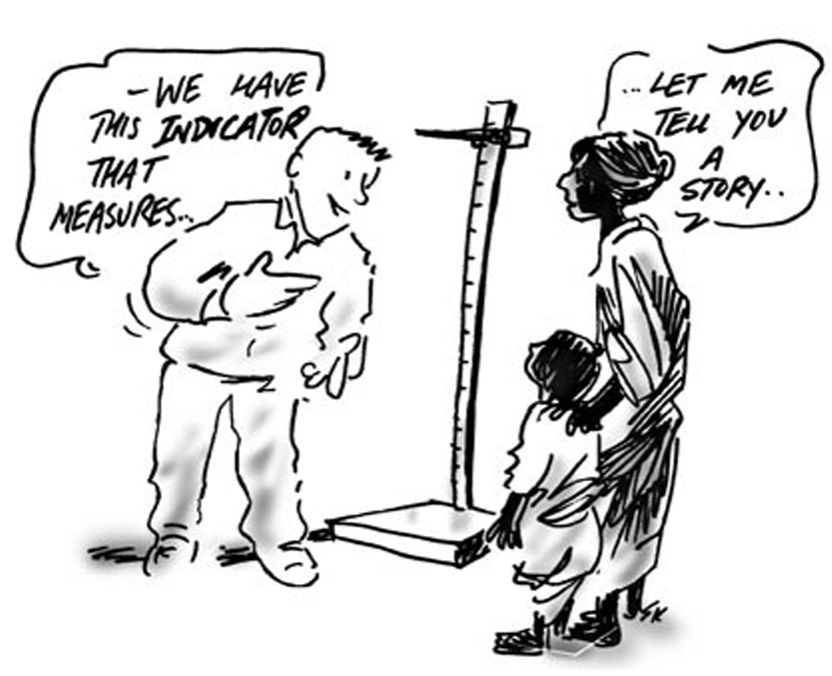
The Most Significant Change (MSC) technique—a complexity-aware monitoring and evaluation method—is based on collecting and analyzing stories of significant change to inform adaptive management of programs and contribute to their evaluation. Based on Knowledge SUCCESS’s experience with using the MSC questions in four evaluations of knowledge management (KM) initiatives, we have found it to be an

A Systems Approach to Knowledge Management Capacity Strengthening to Achieve Health Program Objectives
Knowledge SUCCESS applies a systems perspective to our KM capacity strengthening work. Learn about what the project found during a recent evaluation on how our work has strengthened KM capacity and improved KM performance among FP/RH stakeholders in Asia and sub-Saharan Africa.

Why Knowledge Management Matters for Family Planning Costed Implementation Plans
Knowledge SUCCESS conducted an assessment of how knowledge management was integrated into Costed Implementation Plans in five West African countries. The findings revealed multifaceted ways that KM contributes to stronger FP/RH outcomes and more efficient use of limited resources.

20 Essential Resources on Social Norms and Family Planning
Our inaugural 20 Essential Resources collection, curated with USAID's Passages Project, pulls together what you need to know to understand and measure social norms and social norms-shifting interventions and incorporate it into your work.

Top 5 Family Planning Articles of 2019
These are the top 5 family planning articles of 2019 published in the Global Health: Science and Practice (GHSP) journal, based on readership.