


What Works in Family Planning and Reproductive Health, Part 1: Male Engagement
Today, Knowledge SUCCESS is pleased to announce the first in a series that documents “What Works in Family Planning and Reproductive Health.” The new series will present, in depth, essential elements of impactful programs The series uses innovative design to address some of the barriers that traditionally discourage people from creating or using documents that share

Récapitulatif de la Série Connecting Conversations : Partenaires
Le session "Conversations connectées : Partenaires" a examiné les principaux acteurs qui améliorent la santé reproductive des jeunes.
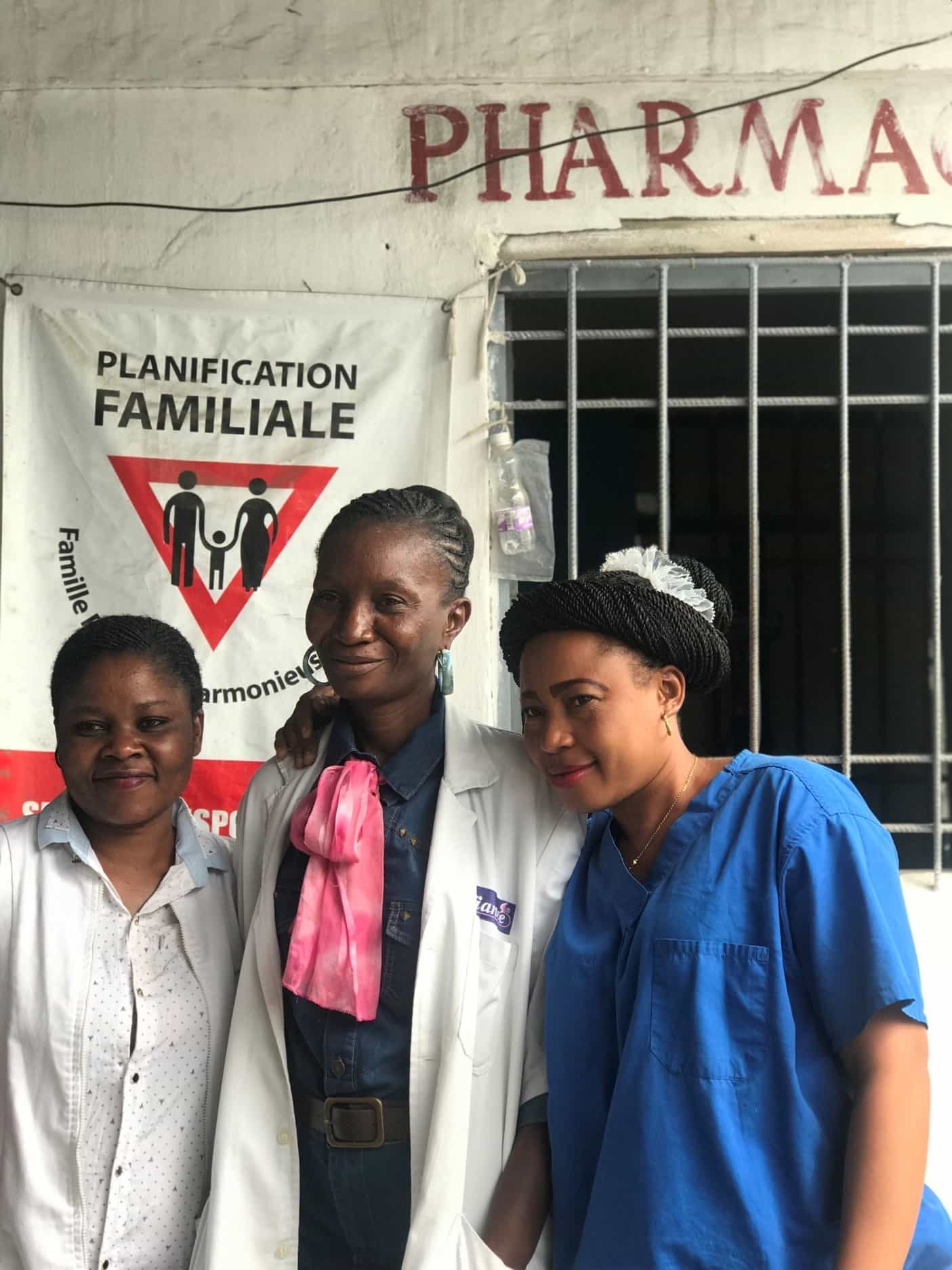
Improving Voluntary Use of Modern Family Planning Through Shifting Norms with Young Couples
In Kinshasa, Democratic Republic of Congo, more than a quarter of women have unmet need for voluntary family planning, affecting both their educational and economic opportunities—and their health. The Masculinité, Famille, et Foi project has sought to shift social norms to support the use of voluntary family planning among young couples in the city.
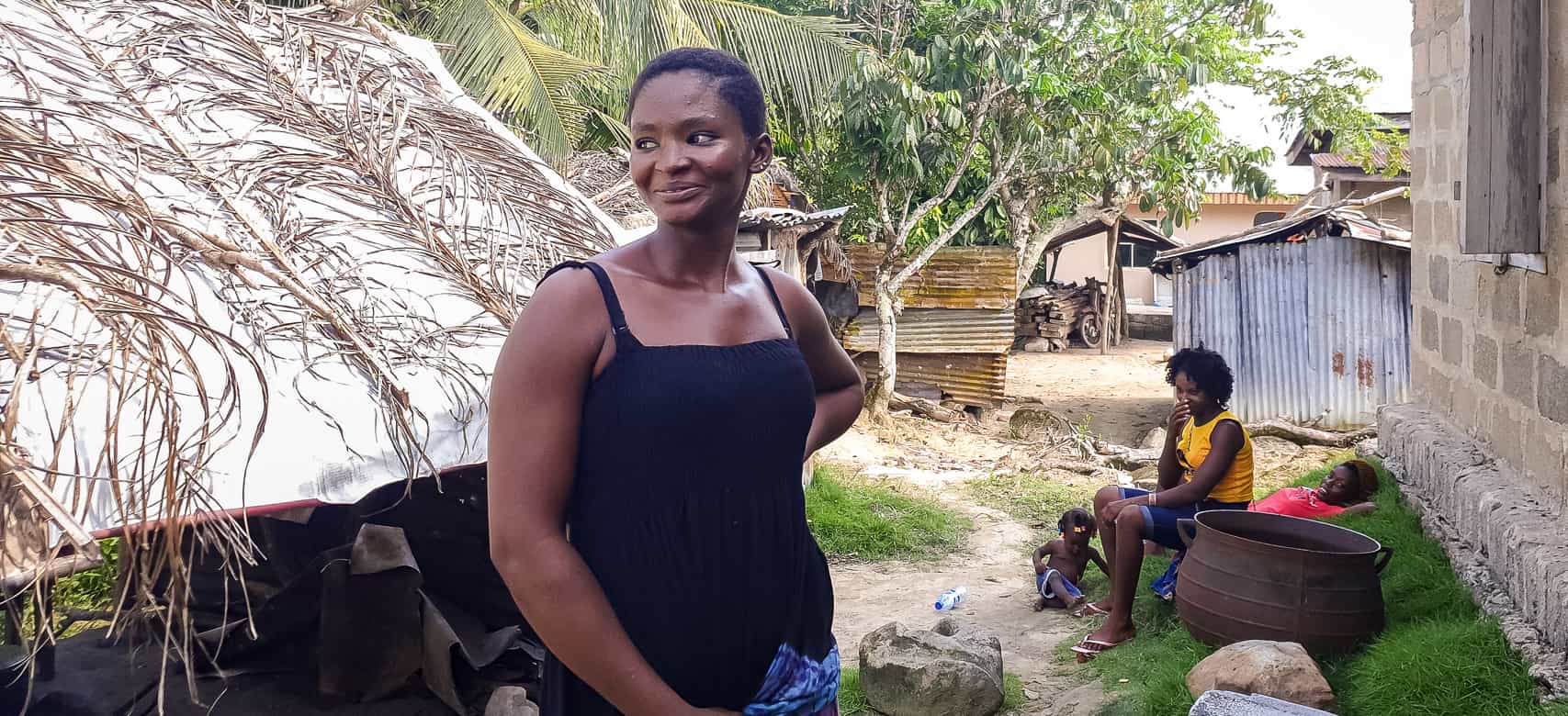
8 Must-See Insights for First-Time Parent Programs
Queen Esther is proud to lead this small peer group, part of a core package of activities for young first-time parents (FTPs) developed by the Evidence to Action (E2A) Project. E2A’s comprehensive first-time parent program model, implemented with dedicated country partners and funding from USAID, is effectively improving health and gender outcomes for this critical population
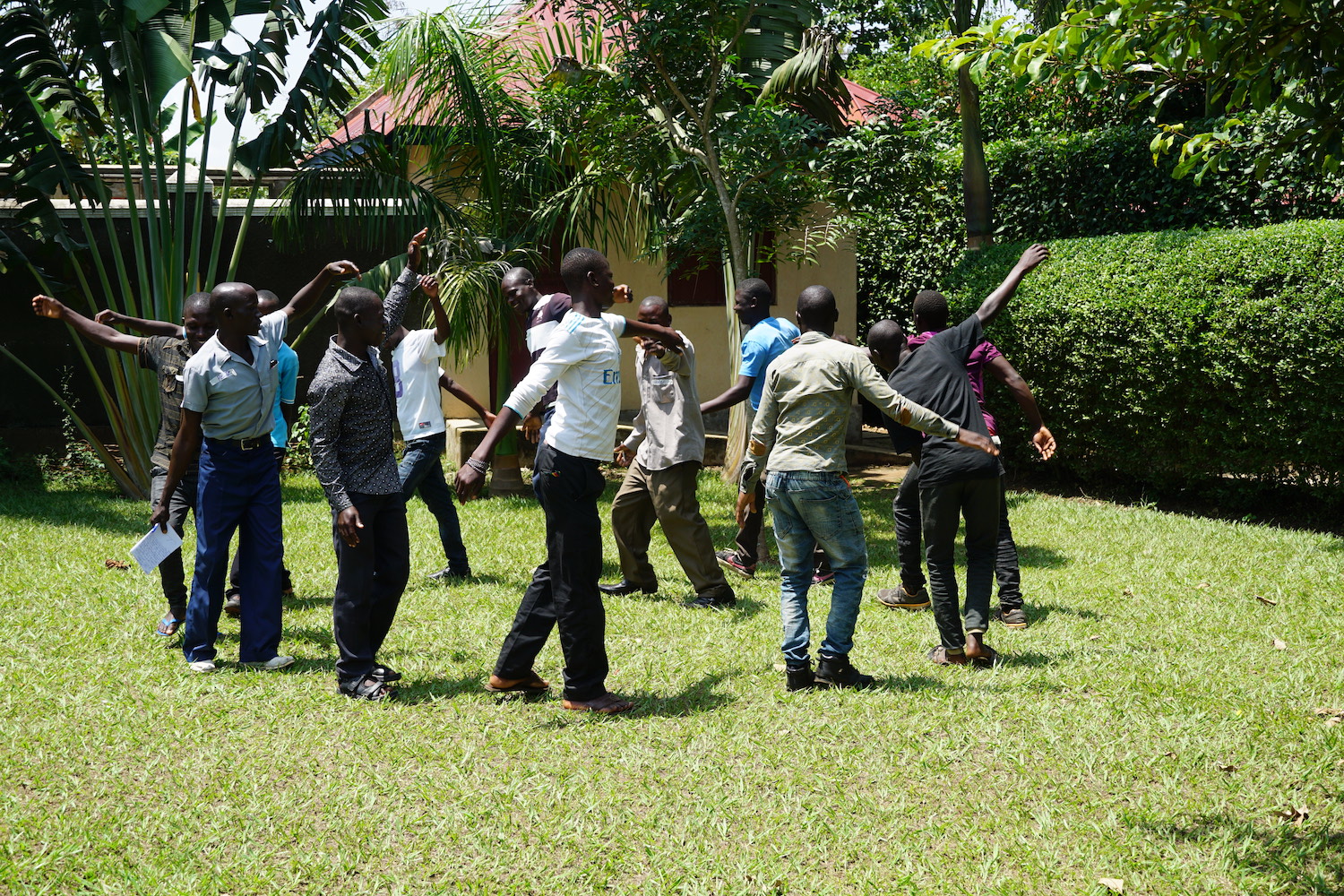
Young Emanzi: Mentoring Boys and Young Men to Develop Healthy, Gender-Equitable Relationships
FHI 360 developed and implemented a multicomponent mentoring program for ABYM (ages 15–24) called Young Emanzi. The program promotes positive gender norms, gender-equitable and healthy relationships, and economic productivity while also addressing the reproductive health needs of ABYM.