


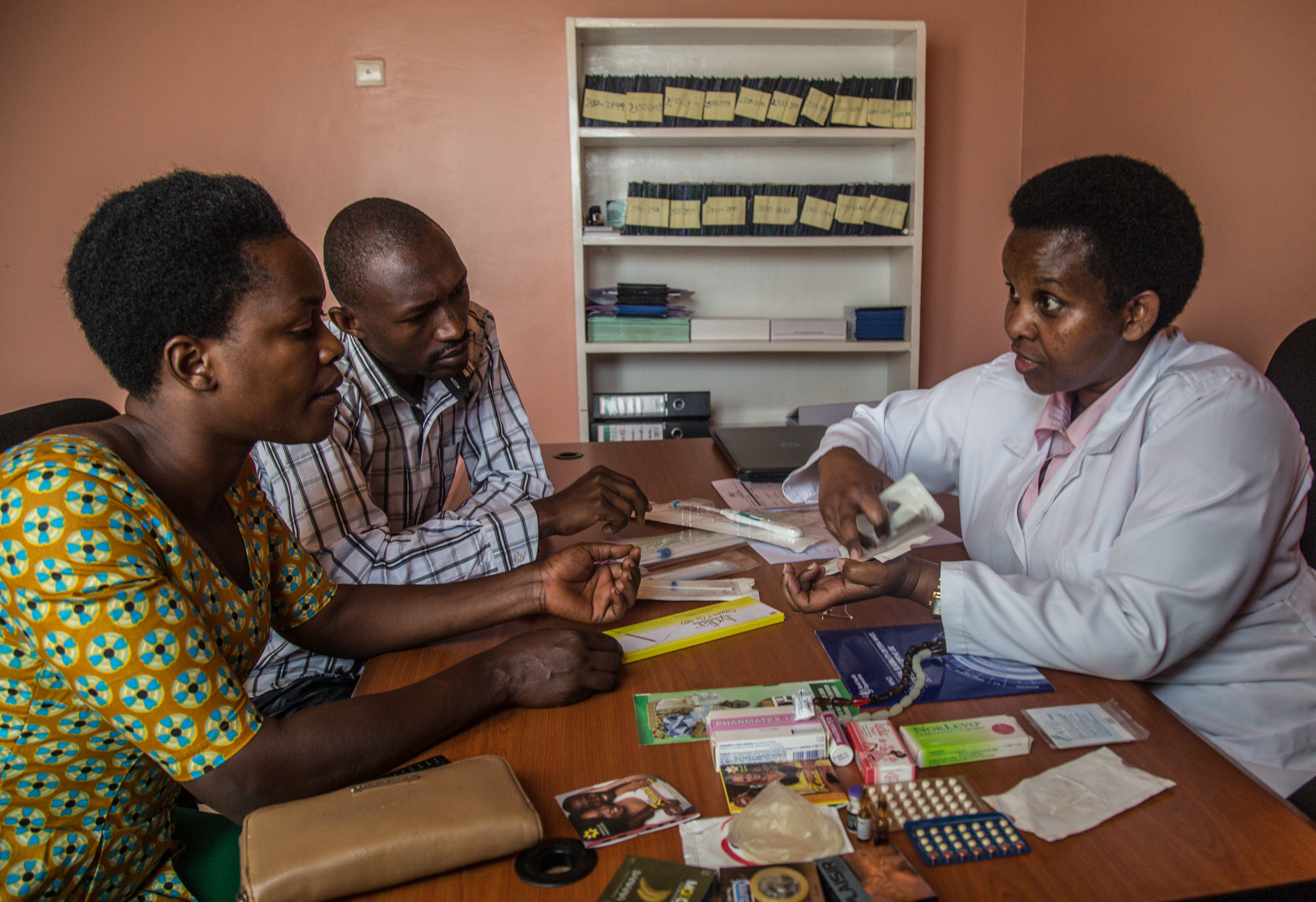
What Impact Do Gender and Power Have on FP Decision-Making?
Analyzing the impact of gender inequities on contraceptive decision-making experiences through the lens of a power framework can provide critical insights. These can give programs a better understanding of how to address barriers to women and girls’ access to and use of contraception.
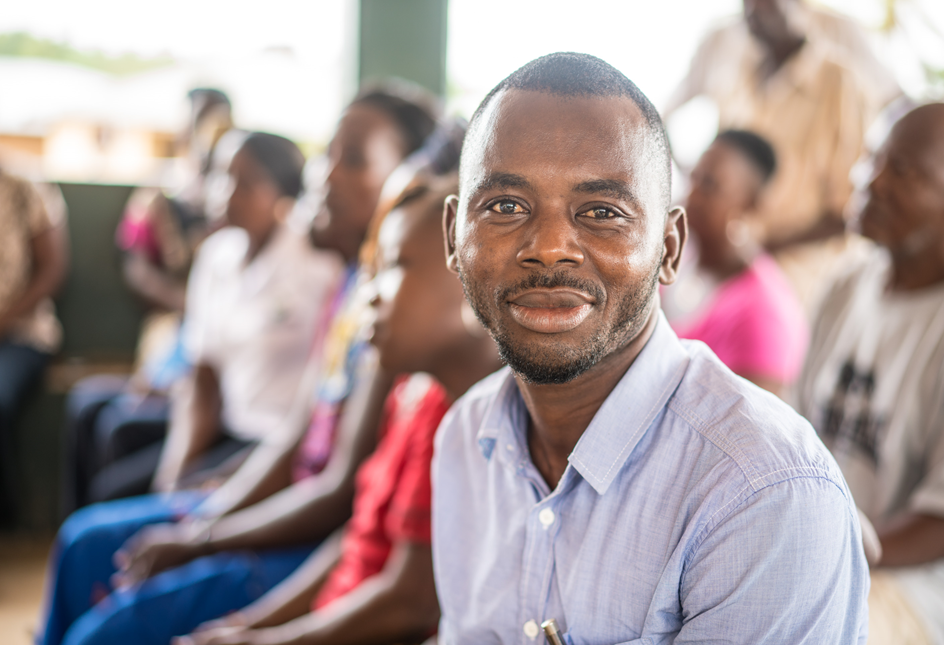
Recap: Using Social and Behavior Change to Meet Youth FP/RH Needs
On September 29, 2021, Breakthrough ACTION hosted a discussion on meeting youth family planning and reproductive health (FP/RH) needs. Attendees had the opportunity to participate in three discussions that highlighted Breakthrough ACTION’s resources and knowledge on expanding youth access to FP/RH services and information.

Increasing the Impact of Reproductive Health Programs
This piece summarizes a recent study by the USAID-funded Passages Project exploring social norms impacting the reproductive health of adolescent girls and young women in Burundi. We explore how the research findings can be applied in the design of reproductive health programs to identify and involve key influence groups that influence social norms.

Increasing the Impact of Reproductive Health Programs
This piece summarizes a recent study by the USAID-funded Passages Project exploring social norms impacting the reproductive health of adolescent girls and young women in Burundi. We explore how the research findings can be applied in the design of reproductive health programs to identify and involve key influence groups that influence social norms.

L’engagement des hommes: Pourquoi et comment ?
Ce webinaire a exploré des moyens pratiques d'intégrer l'engagement des hommes dans les programmes de changement social et de comportement en vue de contribuer à la transformation des normes du genre et à l'adoption des services de santé reproductive, maternelle, néonatale, et infantile.

Seven Lessons in Sustainability and Scalability for Digital Health Solutions
Recent updates to digital health case studies highlight ways programs have changed in the past decade, revealing insights on sustainability and scalability.

Recap: Adapting to Meet Young People’s Needs as they Grow
On April 29th, Knowledge SUCCESS & Family Planning 2030 (FP2030) hosted the fourth and final session in the third set of conversations in the Connecting Conversations series, One Size Does Not Fit All: Reproductive Health Services Within the Greater Health System Must Respond to Young People’s Diverse Needs. This session focused on how health systems can

Addressing Cognitive Overload and Choice Overload
Maryam Yusuf, an Associate with Busara Center for Behavioral Economics, shares research on cognitive overload and choice overload, offers insights from co-creation workshops, and suggests considerations for sharing information without overwhelming audiences.
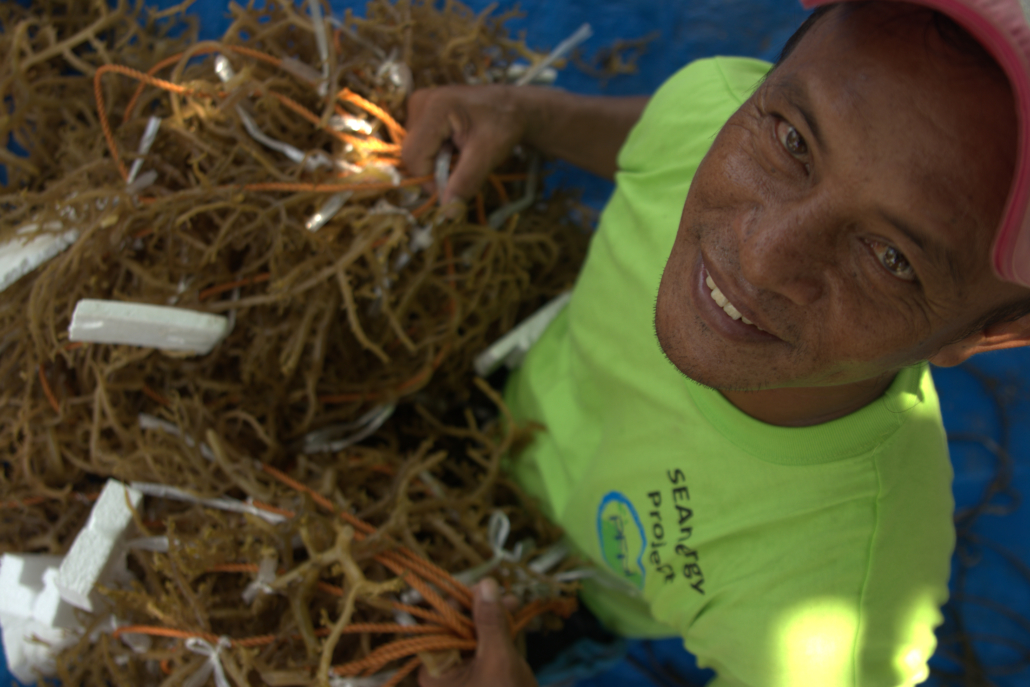
Introducing People-Planet Connection
Today, as we mark the celebration of Earth Day, we are pleased to announce the launch of People-Planet Connection—a new learning and collaborative space co-created by and for global development professionals at the intersections between human population, health, and the environment (PHE). Visit the new space at peopleplanetconnect.org.
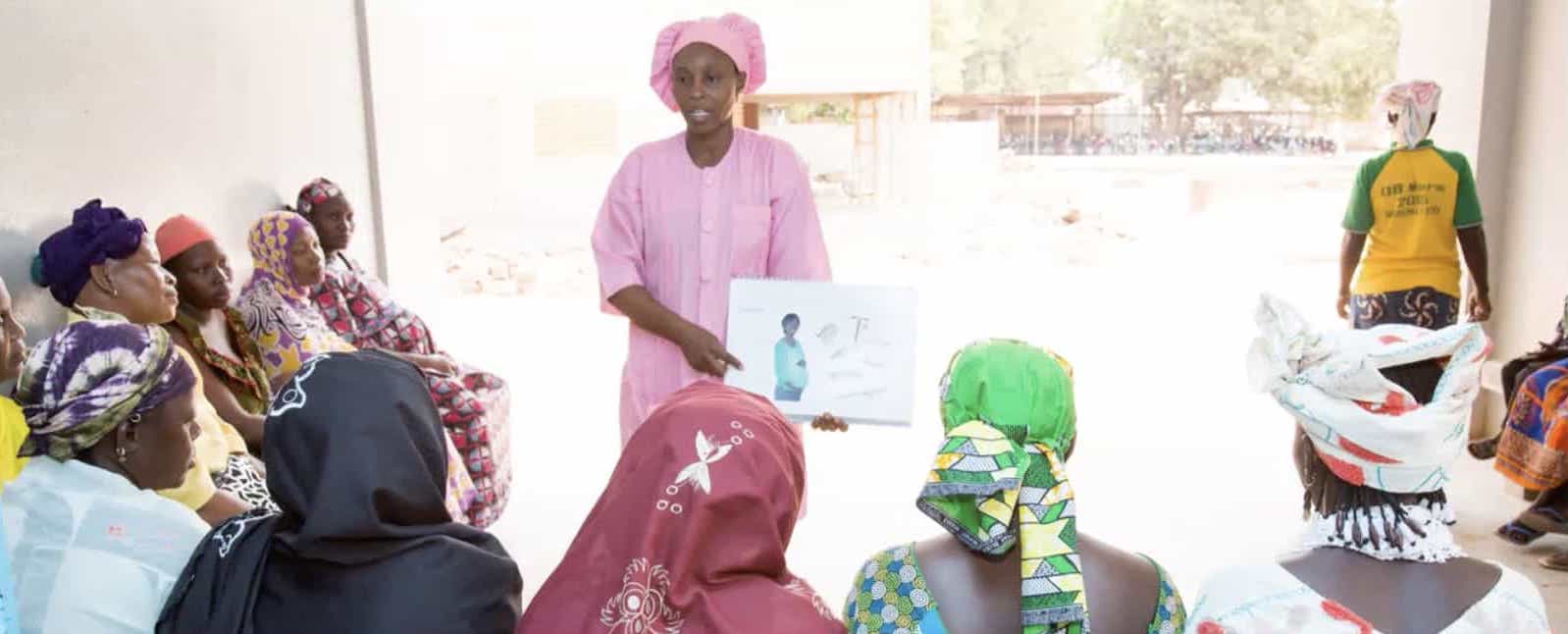
Scale-Up Community of Practice in Transition
In nearly eight years at the helm of the Systematic Approaches to Scale-Up Community of Practice (COP), the Evidence to Action (E2A) Project grew the community from several committed partners in 2012 to nearly 1,200 members worldwide today. With sustained engagement from the U.S. Agency for International Development (USAID), core technical partners and founding members, ExpandNet,