


Improving Voluntary Use of Modern Family Planning Through Shifting Norms with Young Couples
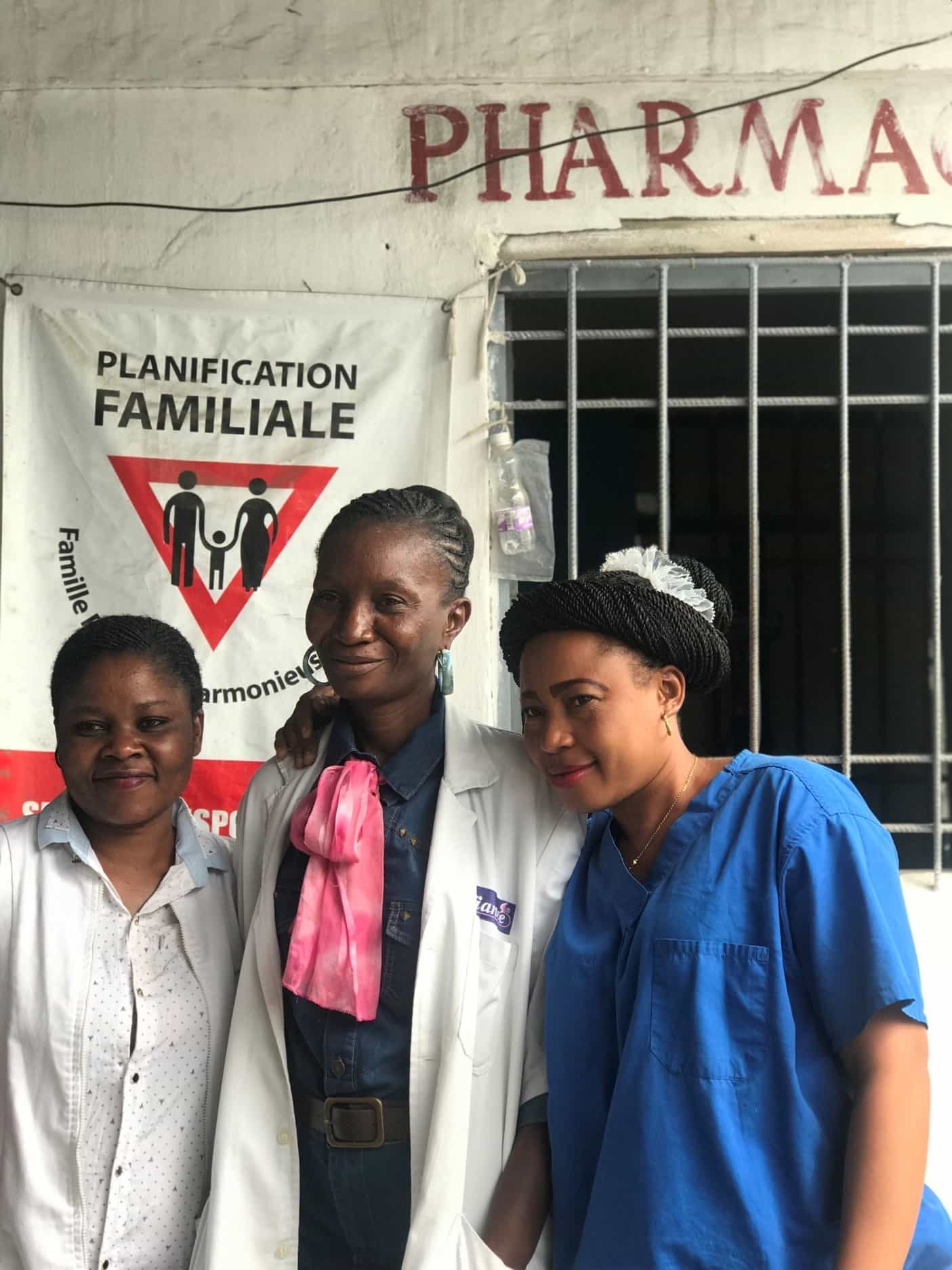
In Kinshasa, Democratic Republic of Congo, more than a quarter of women have unmet need for voluntary family planning, affecting both their educational and economic opportunities—and their health. The Masculinité, Famille, et Foi project has sought to shift social norms to support the use of voluntary family planning among young couples in the city.

How Should We Measure Contraceptive Use Among Unmarried Women
This article features key insights from one of the authors of a recent study, which examined standardizing measurement of contraceptive use among unmarried women. The study found that sexual recency (the last time women report being sexually active) is an important indicator to determine unmet need and contraceptive prevalence among unmarried women, but not among married

Monitoring COVID-19’s Effects on Family Planning: What Should We Measure?
On the supply side, we may be able to monitor availability of family counselors and contraceptives to meet needs during the COVID-19 pandemic. But what of the demand side? How can we monitor shifts in women’s family planning needs and preferences in light of the social and economic shocks they are facing due to the pandemic?