


Using HIP Products to Inform and Strengthen FP Programs, Part 2
High Impact Practices in Family Planning (HIPs) are a set of evidence-based family planning practices vetted by experts against specific criteria and documented in an easy-to-use format. The Evaluation of High Impact Practices in Family Planning Products sought to understand whether and how HIP products were being used among health professionals at the country and global

Tips for Hosting a Hybrid Online and In-Person Meeting
In March of 2020 many professionals increasingly turned to virtual solutions to meet with colleagues, due to the COVID-19 pandemic. As this was a new shift for most of us, the WHO/IBP Network published Going Virtual: Tips for Hosting an Effective Virtual Meeting. While the COVID-19 pandemic showed us the power and importance of virtual meetings to

Nudging the Health Workforce to Share Experiences (Including Failures!)
How might we encourage the FP/RH workforce to share knowledge with each other? Particularly when it comes to sharing failures, people are hesitant. This post summarizes Knowledge SUCCESS’s recent assessment to capture and measure information-sharing behavior and intention among a sample of FP/RH and other global health professionals based in sub-Saharan Africa and Asia.

Practitioners Weigh In on the Impact of PHE Networks
In March 2021, Knowledge SUCCESS and Blue Ventures, a marine conservation organization, collaborated on the second in a series of community-driven dialogues on People-Planet Connection. The goal: to uncover and amplify the learnings and impact of five national PHE networks. Learn what network members from Ethiopia, Kenya, Madagascar, Uganda, and the Philippines shared during the

Common Questions in AYSRH: Connecting Conversations’ Experts Weigh In
Over the course of 18 months, FP2030 and Knowledge SUCCESS hosted 21 sessions of Connecting Conversations. The interactive series brought together speakers and participants from around the world for dialogues around timely topics in adolescent and youth sexual and reproductive health (AYSRH). Here we explore the answers to some of the series’ top questions.

Planning for the End-of-Project Year
In the final year of SHOPS Plus, we used an approach to arrive at key themes for our last year. We will use the themes as a framework to organize our learning across the project. The steps below are not, of course, the only way to organize learnings, and they are a work in progress. We

East Africa’s FP Knowledge Management Champions
Knowledge Management Champions play an important role in change management for family planning and reproductive health (FP/RH) programs. Also known as KM Champions, Knowledge Activists, or Knowledge Coordinators, they are not knowledge managers but part-time volunteer knowledge change agents—facilitating knowledge acquisitions from knowledge innovators and enabling the sharing and effective utilization of such knowledge.

The “EAST Framework” for Better Knowledge Management in FP/RH
The EAST framework, developed by the Behavioural Insights Team (BIT), is a notable and well-used behavioral science framework that FP/RH programs can use to overcome common biases in knowledge management for FP/RH professionals. EAST stands for “easy, attractive, social, and timely”—four principles that Knowledge SUCCESS as it designs and implements knowledge management activities to get the
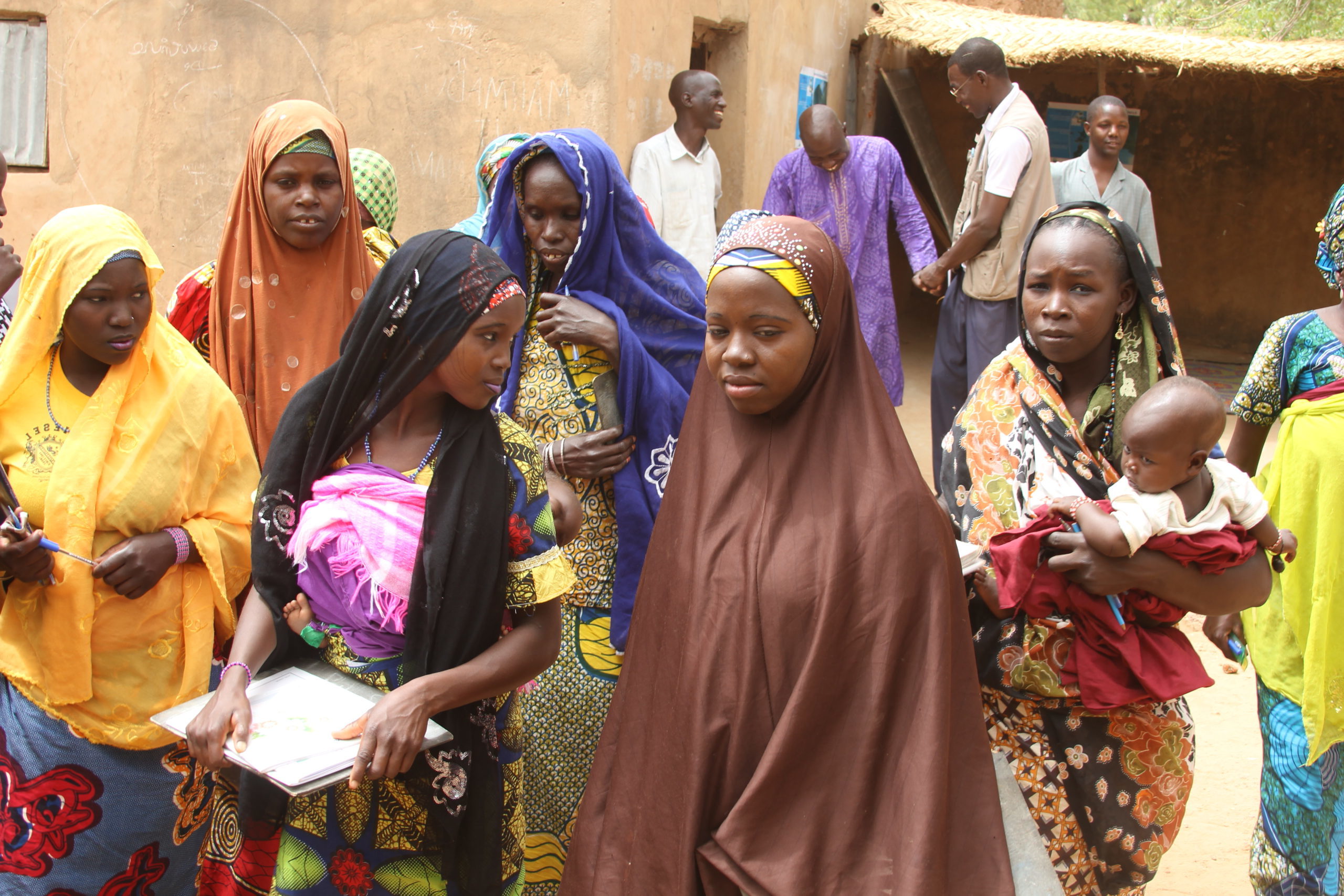
Tackling West Africa’s Knowledge Management Challenges
Despite the success of the Ouagadougou Partnership, the francophone Africa family planning and reproductive health ecosystem faces challenges. Knowledge SUCCESS aims to help address the identified regional knowledge management challenges.

Knowledge Management in East Africa: Key Takeaways
The East African countries of Kenya, Uganda, Tanzania, and Rwanda seem to have one common challenge in the implementation of family planning and reproductive health programs—knowledge management. The countries are rich in family planning and reproductive health knowledge, but such information is fragmented and not shared. To tackle the identified challenges, Knowledge SUCCESS mobilized family planning