


Technical Consultation on Contraceptive-Induced Menstrual Changes
On November 17‒18, 2020, a virtual technical consultation on contraceptive-induced menstrual changes (CIMCs) convened experts in the fields of family planning and menstrual health. This meeting was coordinated by FHI 360 through the Research for Scalable Solutions (R4S) and Envision FP projects with support from the U.S. Agency for International Development (USAID).
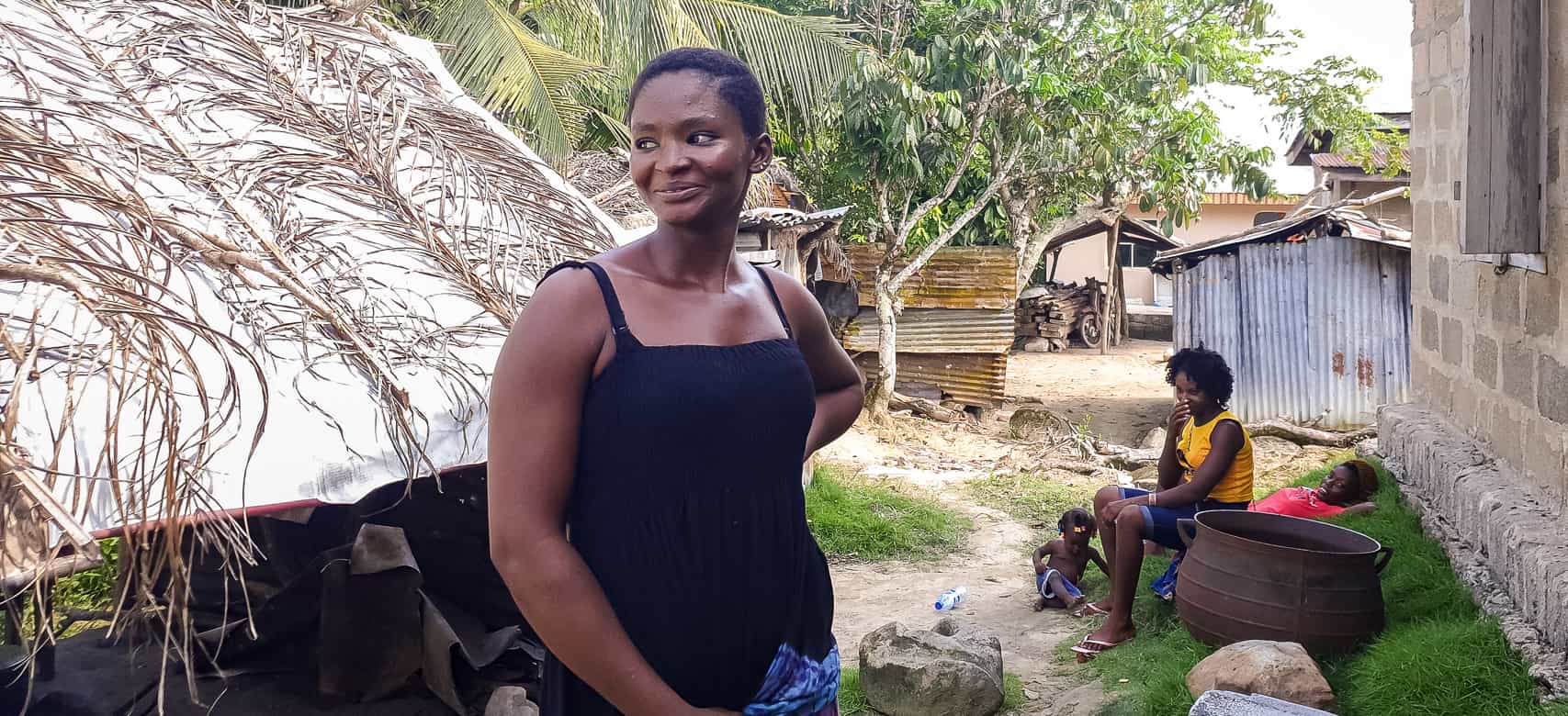
8 Must-See Insights for First-Time Parent Programs
Queen Esther is proud to lead this small peer group, part of a core package of activities for young first-time parents (FTPs) developed by the Evidence to Action (E2A) Project. E2A’s comprehensive first-time parent program model, implemented with dedicated country partners and funding from USAID, is effectively improving health and gender outcomes for this critical population

Is Better Measurement the Key to Increased Investment in Social and Behavior Change for Voluntary Family Planning in Francophone West Africa?
Social and behavior change (SBC) approaches can increase the use of modern contraceptives by addressing the attitudes and social norms that influence demand. However, they often do not receive attention, partly because many practitioners are not effectively measuring their SBC efforts. Breakthrough ACTION interviewed voluntary family planning stakeholders in West Africa to learn why.
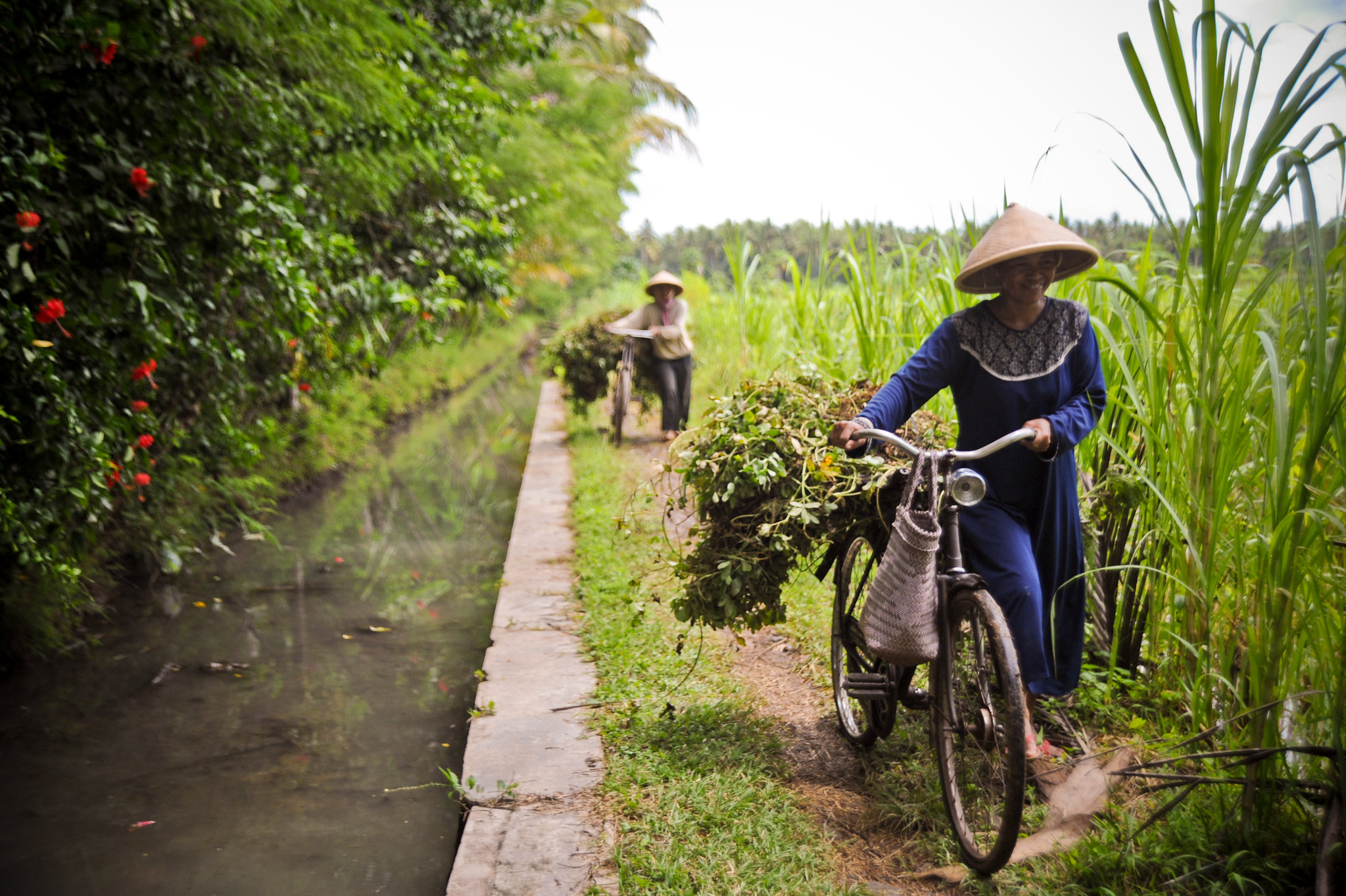
20 Essential Resources for Population, Health, and Environment (PHE)
This new collection will provide the population, health, and environment community with quality, easy-to-find resources to foster knowledge exchange.

Program Briefs: Changing Attitudes to Shift Contraceptive Demand
When it comes to family planning and reproductive health (FP/RH) programming, encouraging behavior change starts by understanding what shapes consumer decisions. Because when we truly understand the core attitudes that influence – and at times, limit – how people perceive contraception, we can better design and deliver solutions that serve their needs.
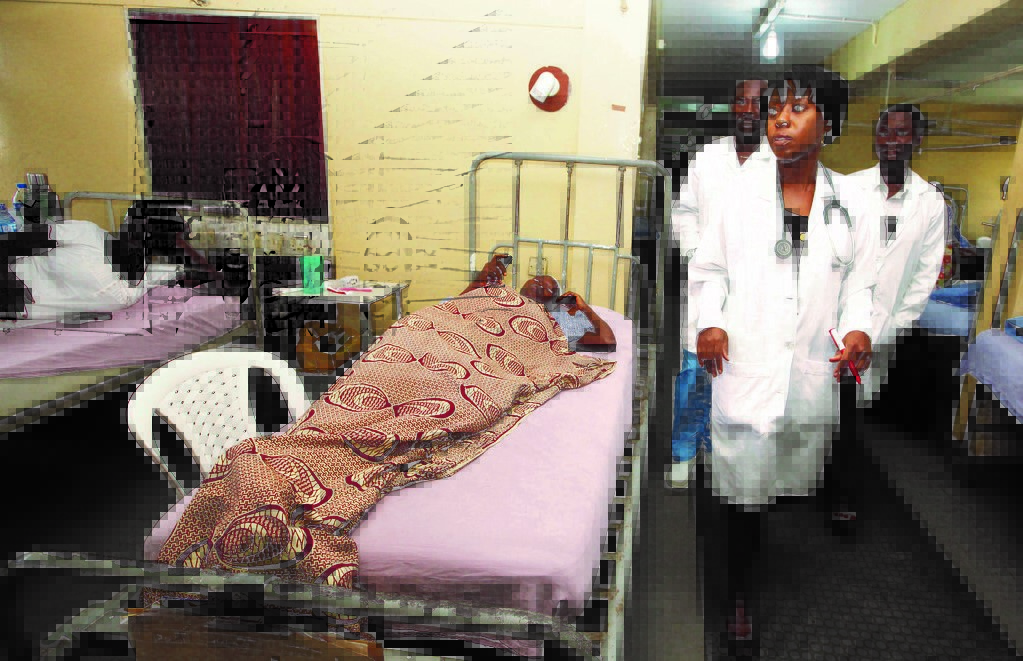
Gender-Supportive Supervision in Nigeria
SHOPS Plus implemented a gender-transformative supportive supervision activity in Nigeria. Their goal? Improve performance, retention, and gender equity for voluntary family planning providers.

Did You Miss FP2020’s Webinar on “Exploring Digital Platforms for Family Planning During COVID-19”?
FP2020's webinar on digital health for family planning during the COVID-19 pandemic brought together presenters from a variety of projects, all of which are leveraging technology to meet the needs of their clients in new ways. Missed the webinar? Our recap is below, and so are links to watch for yourself.
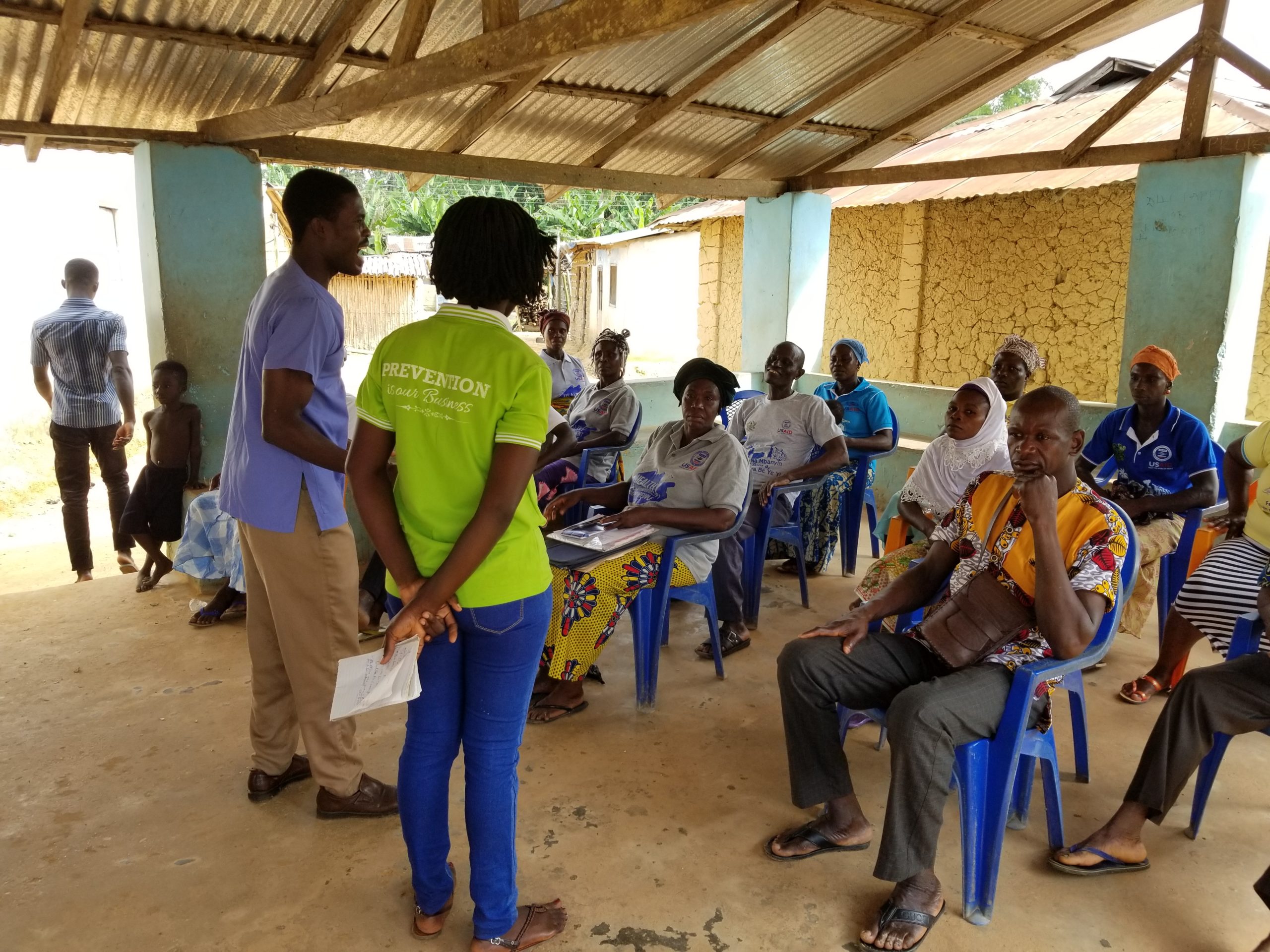
Hen Mpoano: Building a Healthy Environment and Healthy Families at the Last Mile
Ghanaian nonprofit Hen Mpoano implements and supports coastal and marine ecosystems governance projects and best practices. Tamar Abrams talks with Hen Mpoano's deputy director about a recent project that took a Population, Health, and Environment (PHE) approach, integrating the health of both the environment and those who live there.

Monitoring COVID-19’s Effects on Family Planning: What Should We Measure?
On the supply side, we may be able to monitor availability of family counselors and contraceptives to meet needs during the COVID-19 pandemic. But what of the demand side? How can we monitor shifts in women’s family planning needs and preferences in light of the social and economic shocks they are facing due to the pandemic?