


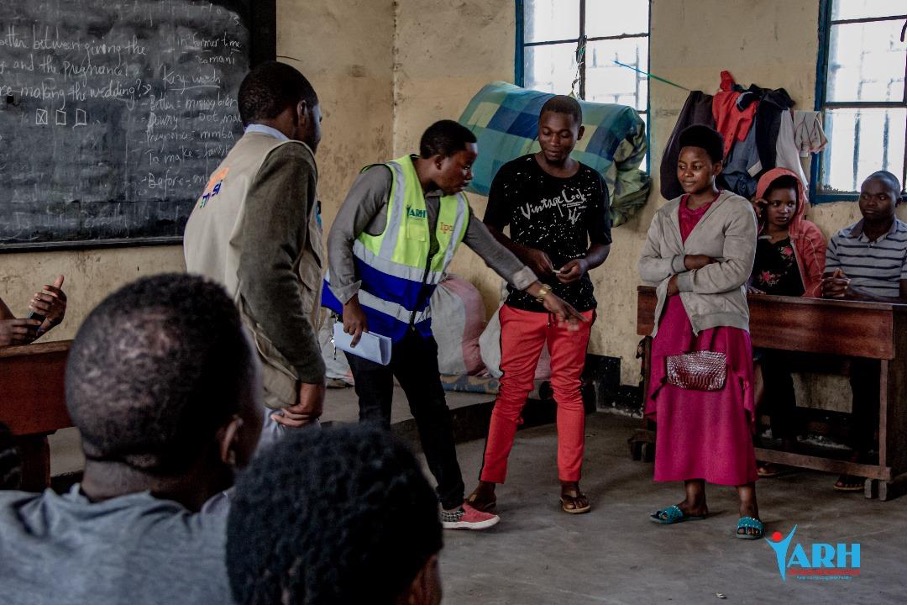
Empowering Change: Breaking Down Gender Norms through Positive Masculinity in the DRC
Interventions focused on men and boys can broaden the possibilities for challenging gender norms and masculine ideals that can hinder sexual reproductive health and mobilize advances in gender inequality in humanitarian settings.
In Uganda, a New Approach to Ending Sexual and Gender Based Violence: Training Men
Women continue to experience various forms of violence across Uganda, can training men help to shatter cultural perceptions of gender and correspondingly work to prevent gender based violence?
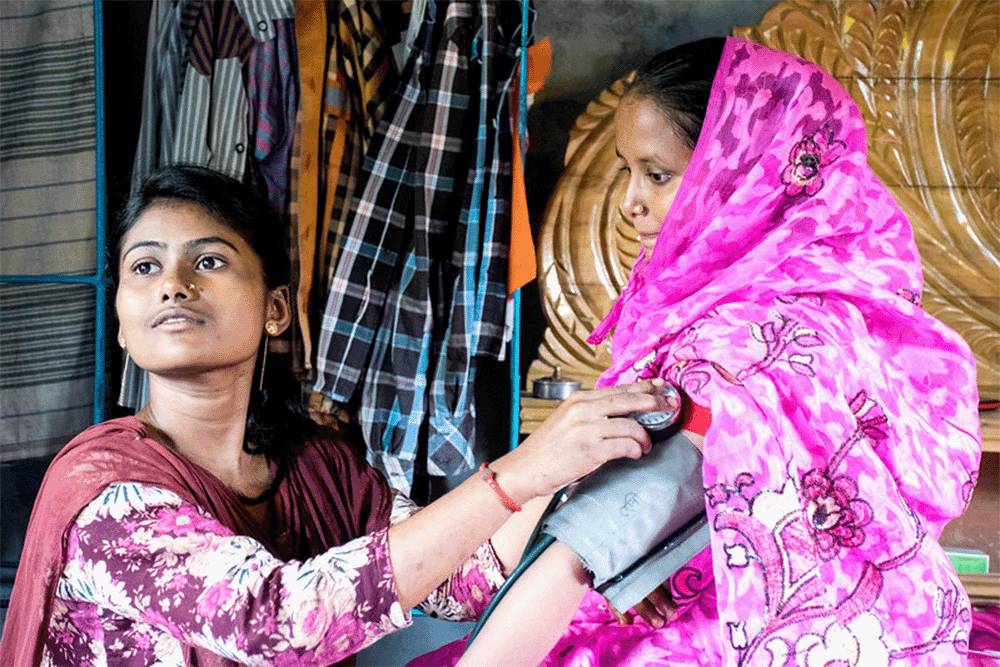
Premarital Family Planning and Reproductive Health Counseling in Bangladesh
Bangladesh has the highest rate of child marriage in Asia. Early marriage leads to a poorer quality of life for girls. It is detrimental to their agency and ability to obtain or continue education. So, in order to improve young couples’ quality of life and encourage them to make informed decisions, the Bangladesh Center for Communication

Mental Health Wellness in GBV Prevention and Response
This blog provides an overview of the mental health effects of care work and GBV service provision on health providers, approaches to support self-care and improved health systems, and policy recommendations for the future.

Challenging Social Norms on Disability
Sarah V. Harlan, Partnerships Team Lead for Knowledge SUCCESS, spoke with Cynthia Bauer, the Founder and Executive Director of Kupenda for the Children. Kupenda is a non-profit organization whose mission is to transform harmful beliefs surrounding disability to those that improve children’s lives.

Responding to a Crisis within a Crisis
Nigeria has made significant progress in addressing sexual and gender-based violence. COVID-19 will set us back—unless we take action.

A Practical Guide for Service Delivery During a Pandemic
Jhpiego's guide synthesizes global recommendations, current best evidence and critical resources and is organized to provide specific guidance by technical area (e.g., family planning/sexual and reproductive health, malaria, tuberculosis).

Monitoring COVID-19’s Effects on Family Planning: What Should We Measure?
On the supply side, we may be able to monitor availability of family counselors and contraceptives to meet needs during the COVID-19 pandemic. But what of the demand side? How can we monitor shifts in women’s family planning needs and preferences in light of the social and economic shocks they are facing due to the pandemic?

Reproductive Health in Humanitarian Settings
During a humanitarian crisis, the need for reproductive health services doesn’t go away. In fact, it increases significantly.