


Postabortion Care and Postpartum Family Planning During COVID-19
Preserving voluntary family planning as an essential service amid the COVID-19 pandemic has been the clarion call for global actors in the family planning and reproductive health field. How do we also ensure that women seeking postpartum or postabortion care don’t fall in the gaps?
Digital Health Compendium: Showcasing Digital Solutions for Family Planning and Reproductive Health
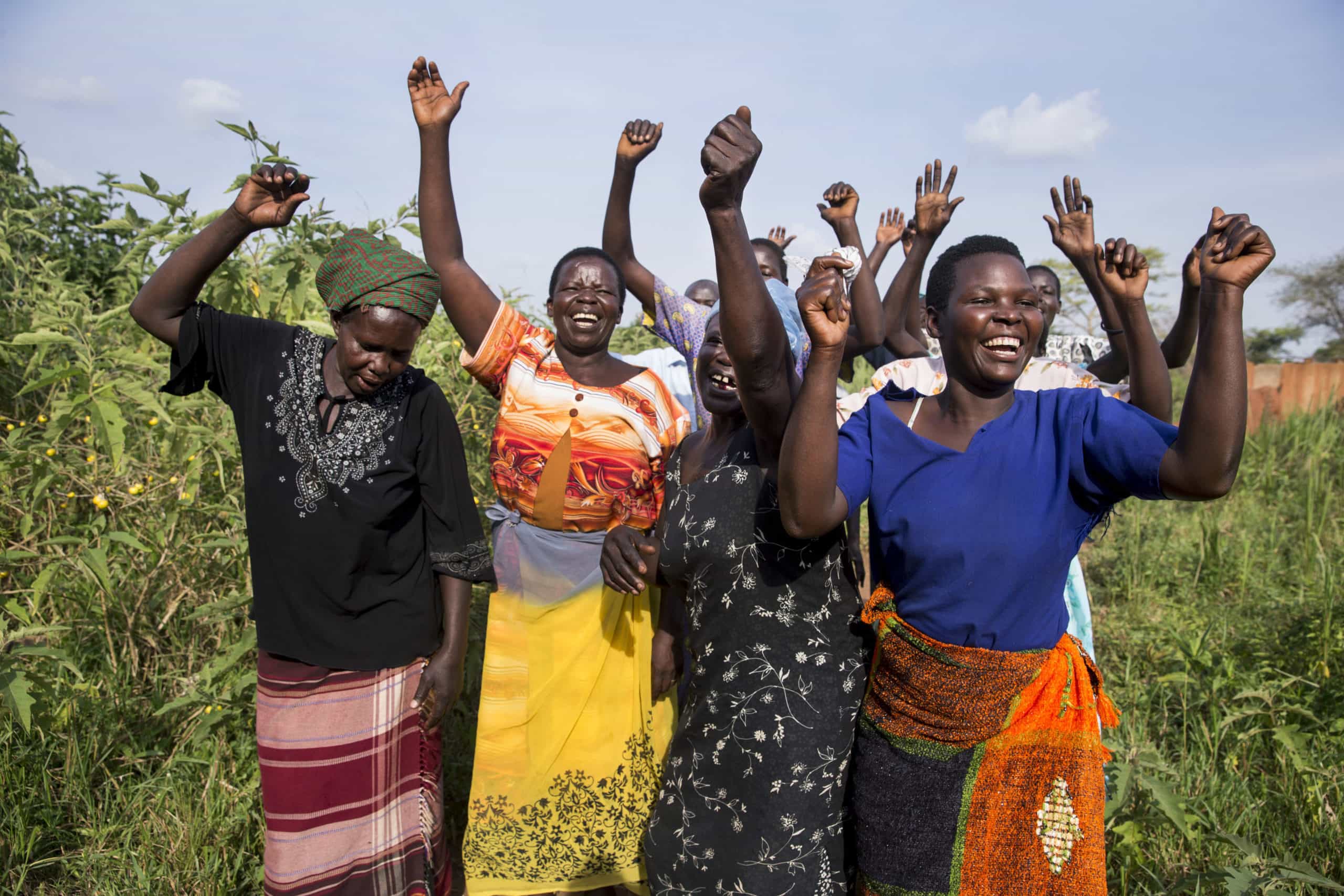
Although investments in digital health solutions for voluntary family planning have expanded exponentially, information on what works (and what does not) has always kept pace. The Digital Health Compendium curates the latest results from projects using digital technology to inform the adoption and scale-up of successful family planning approaches, as well as encouraging learning and adaptation
20 Essential Resources for Population, Health, and Environment (PHE)
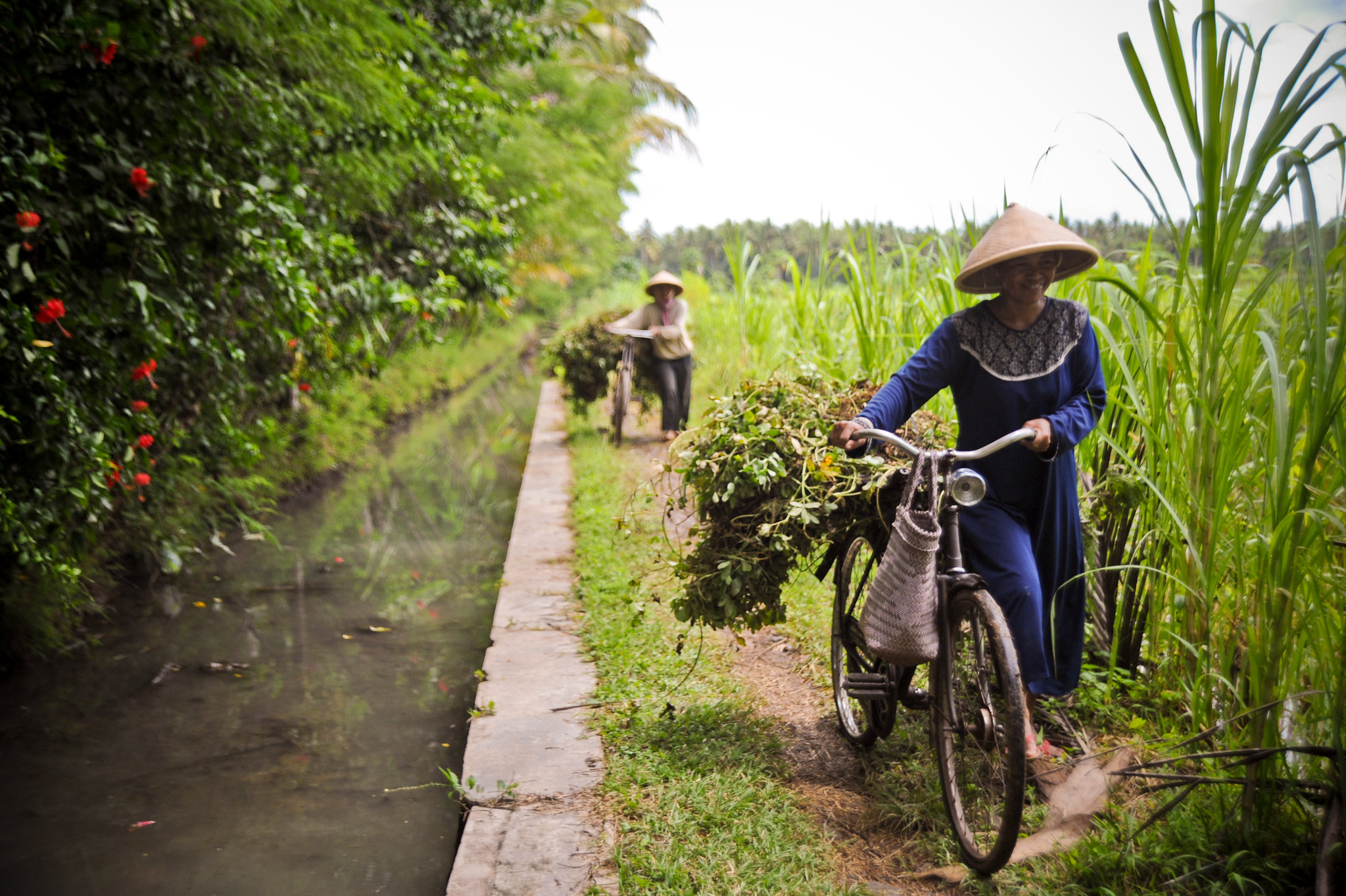
This new collection will provide the population, health, and environment community with quality, easy-to-find resources to foster knowledge exchange.

Recap of “Connecting Conversations” Series: Parents
What's the role of parents as critical influencers in young people’s reproductive health? Experts discussed this topic at-length in the inaugural session of Connecting Conversations Module Two: Parents, Preachers, Partners, and Phones.

Program Briefs: Changing Attitudes to Shift Contraceptive Demand
When it comes to family planning and reproductive health (FP/RH) programming, encouraging behavior change starts by understanding what shapes consumer decisions. Because when we truly understand the core attitudes that influence – and at times, limit – how people perceive contraception, we can better design and deliver solutions that serve their needs.