


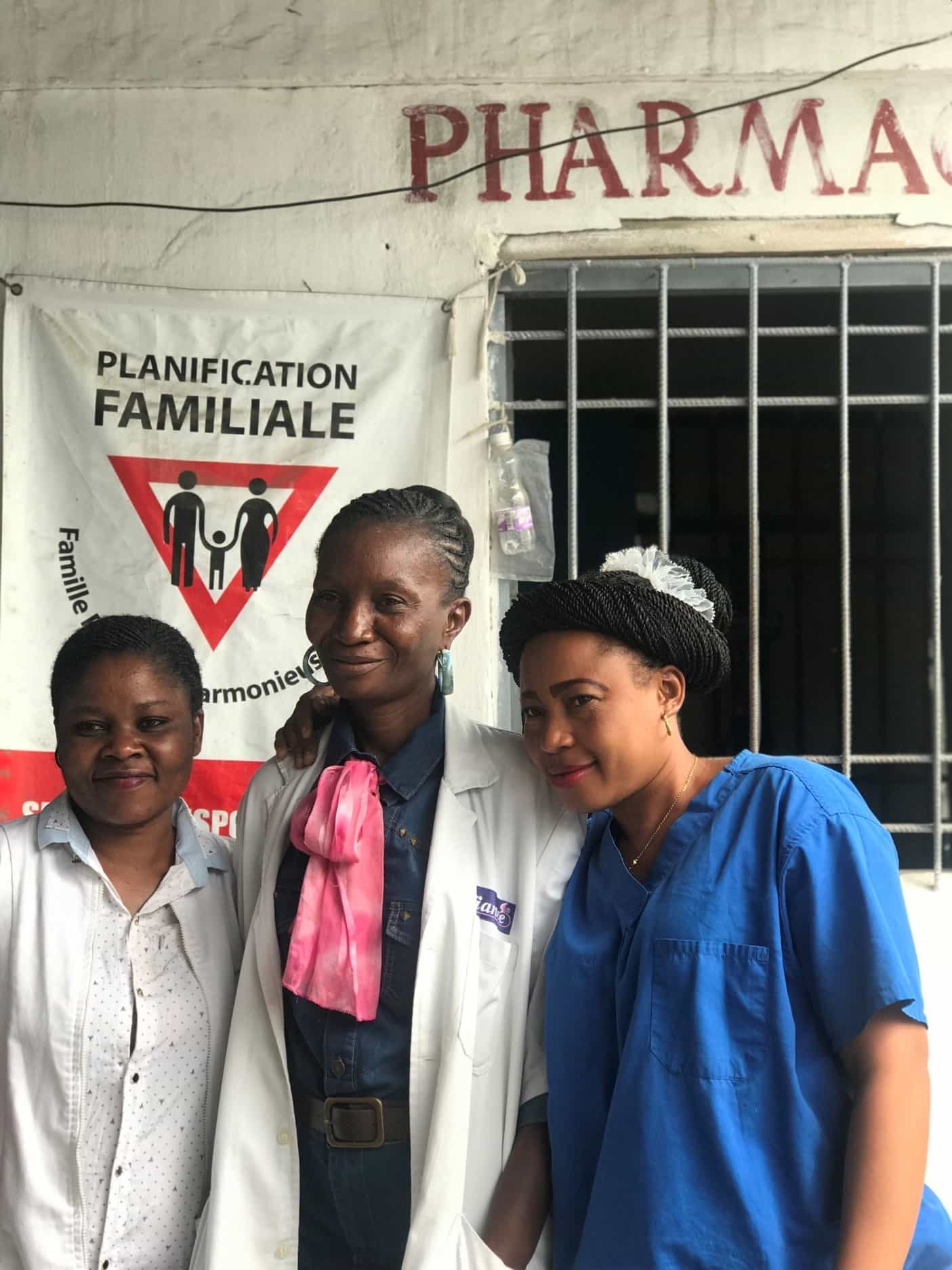
Improving Voluntary Use of Modern Family Planning Through Shifting Norms with Young Couples
In Kinshasa, Democratic Republic of Congo, more than a quarter of women have unmet need for voluntary family planning, affecting both their educational and economic opportunities—and their health. The Masculinité, Famille, et Foi project has sought to shift social norms to support the use of voluntary family planning among young couples in the city.

Top 10 Voluntary Family Planning Articles of 2020
Before this remarkable year ends, we’re taking a look back at the most popular Global Health: Science and Practice Journal (GHSP) articles on voluntary family planning in the last year according to you—our readers—that garnered the most reads, citations, and attention.

Applying Lessons from Zika to COVID
One of the key components to efficiently responding to global outbreaks is learning and adapting from past experiences. Reflecting on these lessons and how they can be adapted to fit our needs during the COVID pandemic can save time and help ensure an effective response. Here, we share lessons learned and effective practices from the 2016-19

Introducing a Must-Have Family Planning Resource Guide to end 2020
Consider this Family Planning Resource Guide your holiday gift guide for voluntary family planning tools and resources.
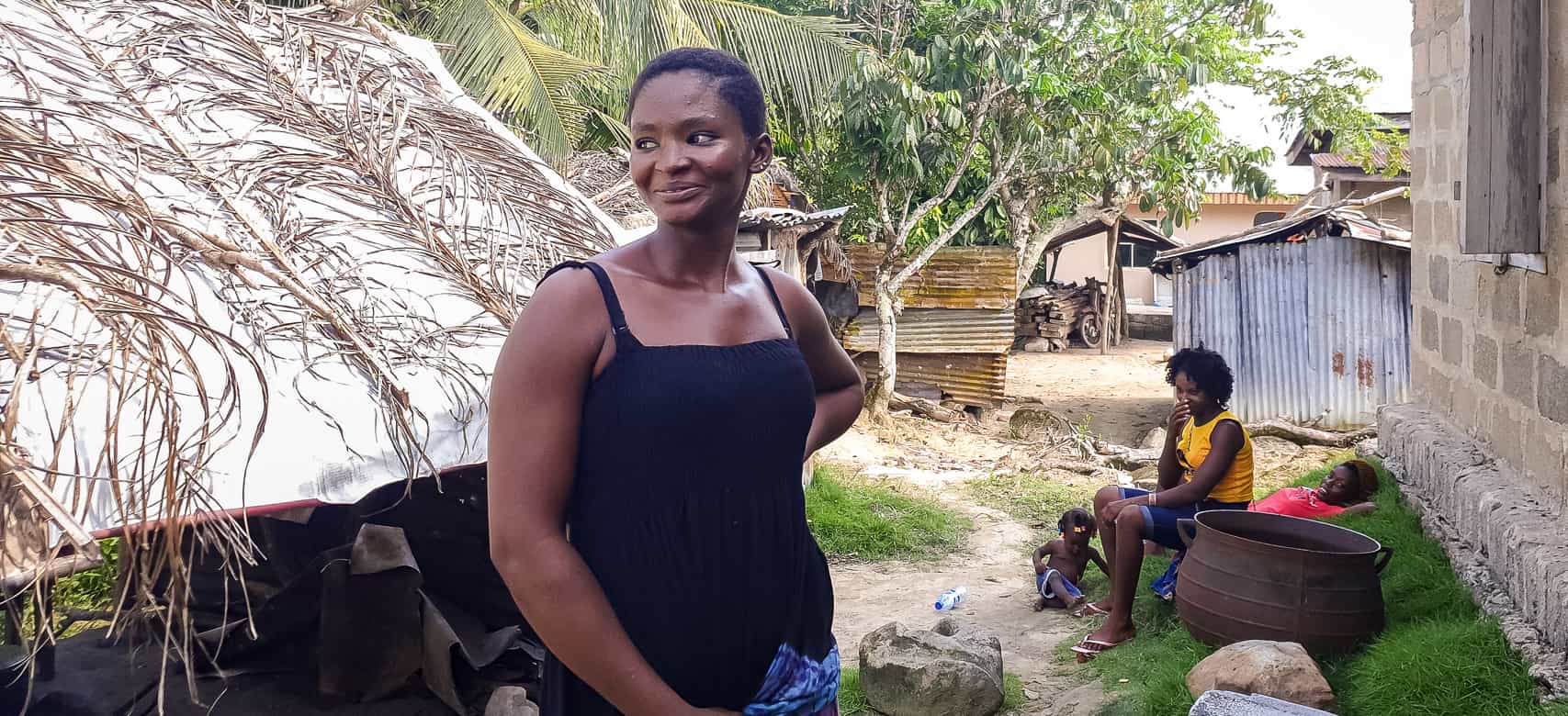
8 Must-See Insights for First-Time Parent Programs
Queen Esther is proud to lead this small peer group, part of a core package of activities for young first-time parents (FTPs) developed by the Evidence to Action (E2A) Project. E2A’s comprehensive first-time parent program model, implemented with dedicated country partners and funding from USAID, is effectively improving health and gender outcomes for this critical population

Recap of Supply Chain Management Webinar
On November 19, the High Impact Practices for Family Planning (HIPs) Network, in collaboration with Family Planning 2020 (FP2020) and IBP Network, hosted a webinar where family planning supply chain experts presented the most important intervention areas and tips from experience.
The Link Between Self-Care and Universal Health Coverage
As governments and global bodies collectively work toward universal health coverage, self-care is an important — if not critical — element. Self-care equips people to act as informed agents of and protect their own health, prevent disease, and treat illness, both with and without the support of a healthcare provider.

Is Better Measurement the Key to Increased Investment in Social and Behavior Change for Voluntary Family Planning in Francophone West Africa?
Social and behavior change (SBC) approaches can increase the use of modern contraceptives by addressing the attitudes and social norms that influence demand. However, they often do not receive attention, partly because many practitioners are not effectively measuring their SBC efforts. Breakthrough ACTION interviewed voluntary family planning stakeholders in West Africa to learn why.

Récapitulatif de la série “ Connecting Conversations ” : Parents
Quel est le rôle des parents en tant qu'influenceurs critiques dans la santé reproductive des jeunes ? Des experts ont abordé ce sujet en profondeur lors de la session inaugurale du module deux de Connecting Conversations : Parents, Prêcheurs, Partenaires et Téléphones.

Postabortion Care and Postpartum Family Planning During COVID-19
Preserving voluntary family planning as an essential service amid the COVID-19 pandemic has been the clarion call for global actors in the family planning and reproductive health field. How do we also ensure that women seeking postpartum or postabortion care don’t fall in the gaps?