


Responding to a Crisis within a Crisis
Nigeria has made significant progress in addressing sexual and gender-based violence. COVID-19 will set us back—unless we take action.
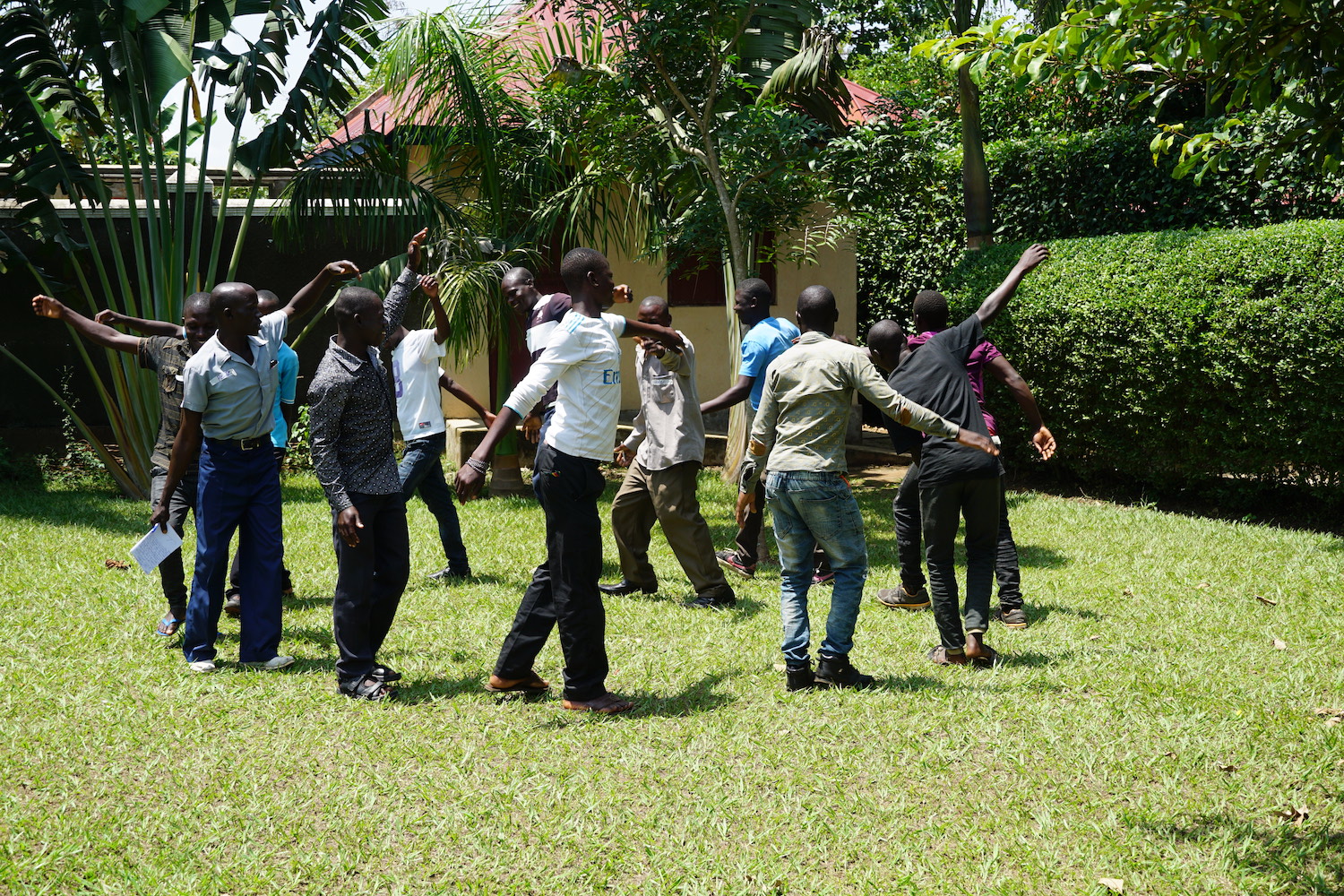
Young Emanzi: Mentoring Boys and Young Men to Develop Healthy, Gender-Equitable Relationships
FHI 360 developed and implemented a multicomponent mentoring program for ABYM (ages 15–24) called Young Emanzi. The program promotes positive gender norms, gender-equitable and healthy relationships, and economic productivity while also addressing the reproductive health needs of ABYM.

A Practical Guide for Service Delivery During a Pandemic
Jhpiego's guide synthesizes global recommendations, current best evidence and critical resources and is organized to provide specific guidance by technical area (e.g., family planning/sexual and reproductive health, malaria, tuberculosis).

Opening Doors: Mentoring for Effective Advocacy
Young leaders can be a powerful force for change, and they can be even more effective when they have access to seasoned allies. USAID's Health Policy Plus (HP+) shares insights from an intergenerational mentoring program in Malawi. Young leaders receive the support they need to engage village, district, and national stakeholders to deliver on the promises

Engaging Men as Partners in Family Planning
Studies have shown that men are highly influential in couples’ decisions about family planning (FP) and that their engagement in FP and other health services can be beneficial to their partners, their children, and themselves. However, in many countries, deeply embedded ideas about appropriate gender roles, as well as myths and misconceptions about FP, create barriers
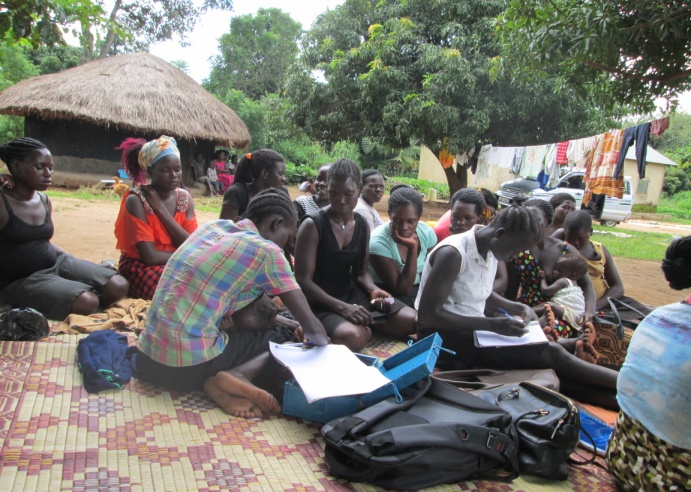
Mentoring Equips Girls and Young Women with the Knowledge, Skills, and Support to Overcome Challenges
Worldwide, girls and young women face a wide array of challenges to their health and well-being. Research on the impact of mentoring demonstrates the importance of positive role models and social support systems for improving health knowledge and outcomes. Our colleagues at FHI 360 share how they developed and implemented a multicomponent mentoring program Anyaka Makwiri

Are We Staying True to Our Commitments to Young People?
In October 2018, more than 100 organizations signed on to the Global Consensus on Meaningful Adolescent and Youth Engagement (MAYE). The question remains: what has been the impact of MAYE? We asked a few young leaders in the family planning movement to share their views.

Monitoring COVID-19’s Effects on Family Planning: What Should We Measure?
On the supply side, we may be able to monitor availability of family counselors and contraceptives to meet needs during the COVID-19 pandemic. But what of the demand side? How can we monitor shifts in women’s family planning needs and preferences in light of the social and economic shocks they are facing due to the pandemic?
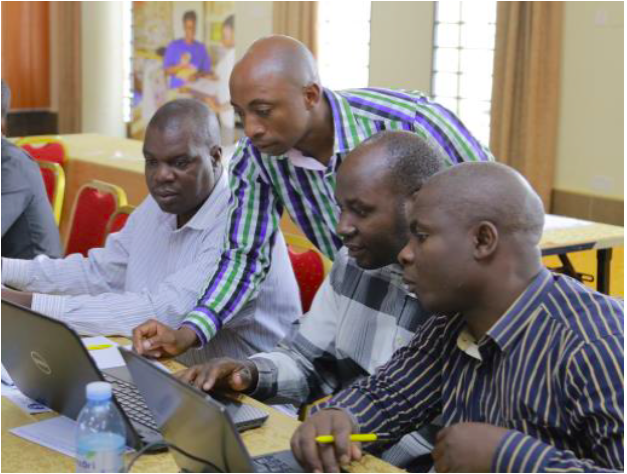
A Multisectoral Approach to Addressing Women’s Barriers to Family Planning: How the APC Project Did It in Uganda
USAID’s Advancing Partners & Communities (APC) project in Uganda implemented a multisectoral approach to family planning. What lessons from APC’s work can be applied to similar future efforts?

Understanding Provider Bias in Family Planning
This interactive article summarizes the different types of provider bias in family planning services, how widespread provider bias is, and how it can be effectively addressed.