


What Works in Family Planning and Reproductive Health, Part 1: Male Engagement
Today, Knowledge SUCCESS is pleased to announce the first in a series that documents “What Works in Family Planning and Reproductive Health.” The new series will present, in depth, essential elements of impactful programs The series uses innovative design to address some of the barriers that traditionally discourage people from creating or using documents that share

Spotlight on Couple-Focused Interventions in Family Planning Programs
Evidence to Action (E2A) has been reaching young first-time parents Burkina Faso, Tanzania, and Nigeria in recent years for strengthening family planning and reproductive health service delivery for girls, women, and underserved communities.

Leaving No One Behind in Family Planning
Although there are more than 60 million additional users of modern contraception in the FP2020 focus countries as compared to 2012, our agenda remains unfinished, with quality family planning information and services not yet reaching many of those with the greatest need. To reach women, girls, and their partners equitably, we need to know who faces

Récapitulatif de la Série Connecting Conversations : Partenaires
Le session "Conversations connectées : Partenaires" a examiné les principaux acteurs qui améliorent la santé reproductive des jeunes.

Technical Consultation on Contraceptive-Induced Menstrual Changes
On November 17‒18, 2020, a virtual technical consultation on contraceptive-induced menstrual changes (CIMCs) convened experts in the fields of family planning and menstrual health. This meeting was coordinated by FHI 360 through the Research for Scalable Solutions (R4S) and Envision FP projects with support from the U.S. Agency for International Development (USAID).
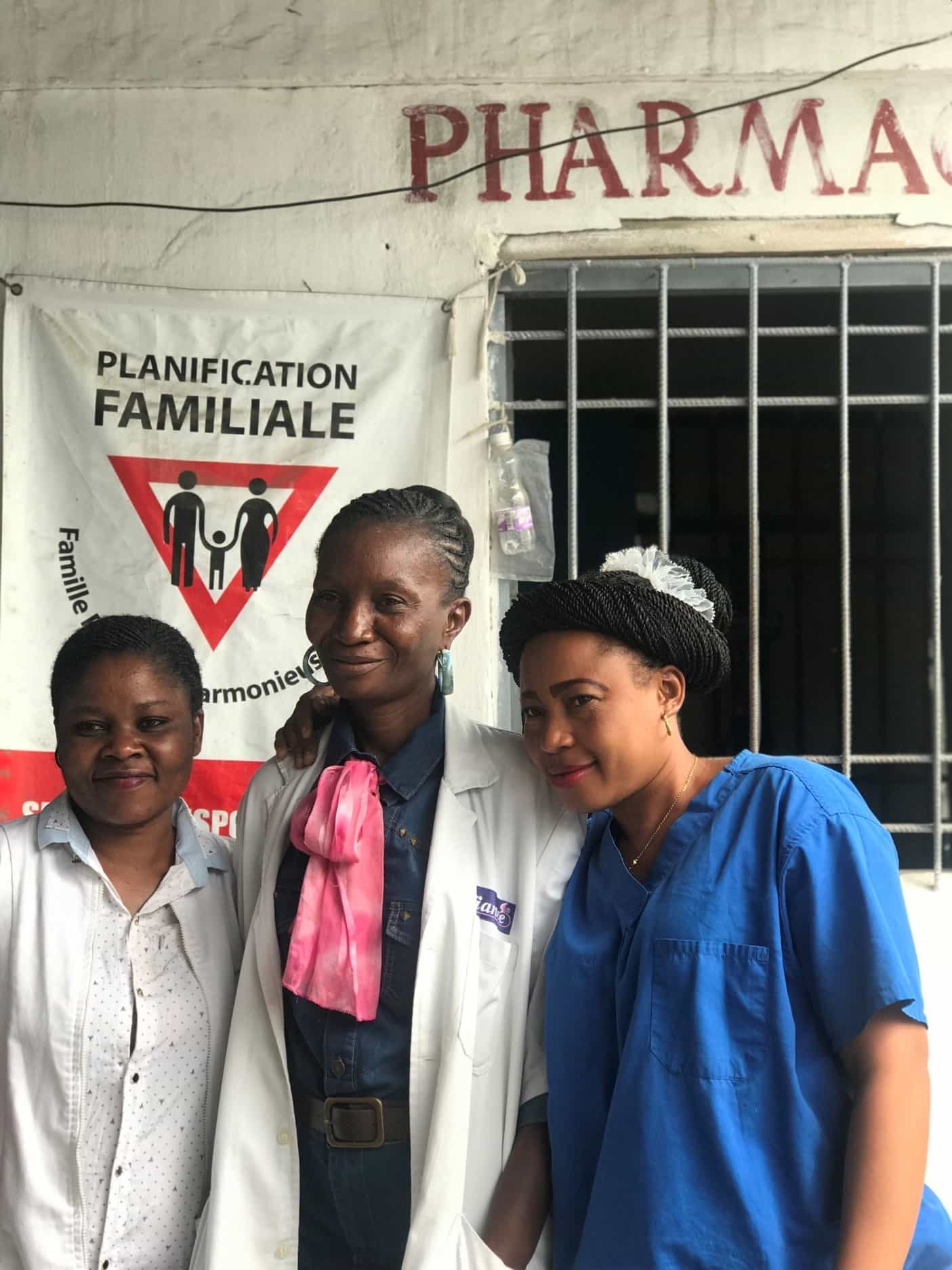
Improving Voluntary Use of Modern Family Planning Through Shifting Norms with Young Couples
In Kinshasa, Democratic Republic of Congo, more than a quarter of women have unmet need for voluntary family planning, affecting both their educational and economic opportunities—and their health. The Masculinité, Famille, et Foi project has sought to shift social norms to support the use of voluntary family planning among young couples in the city.
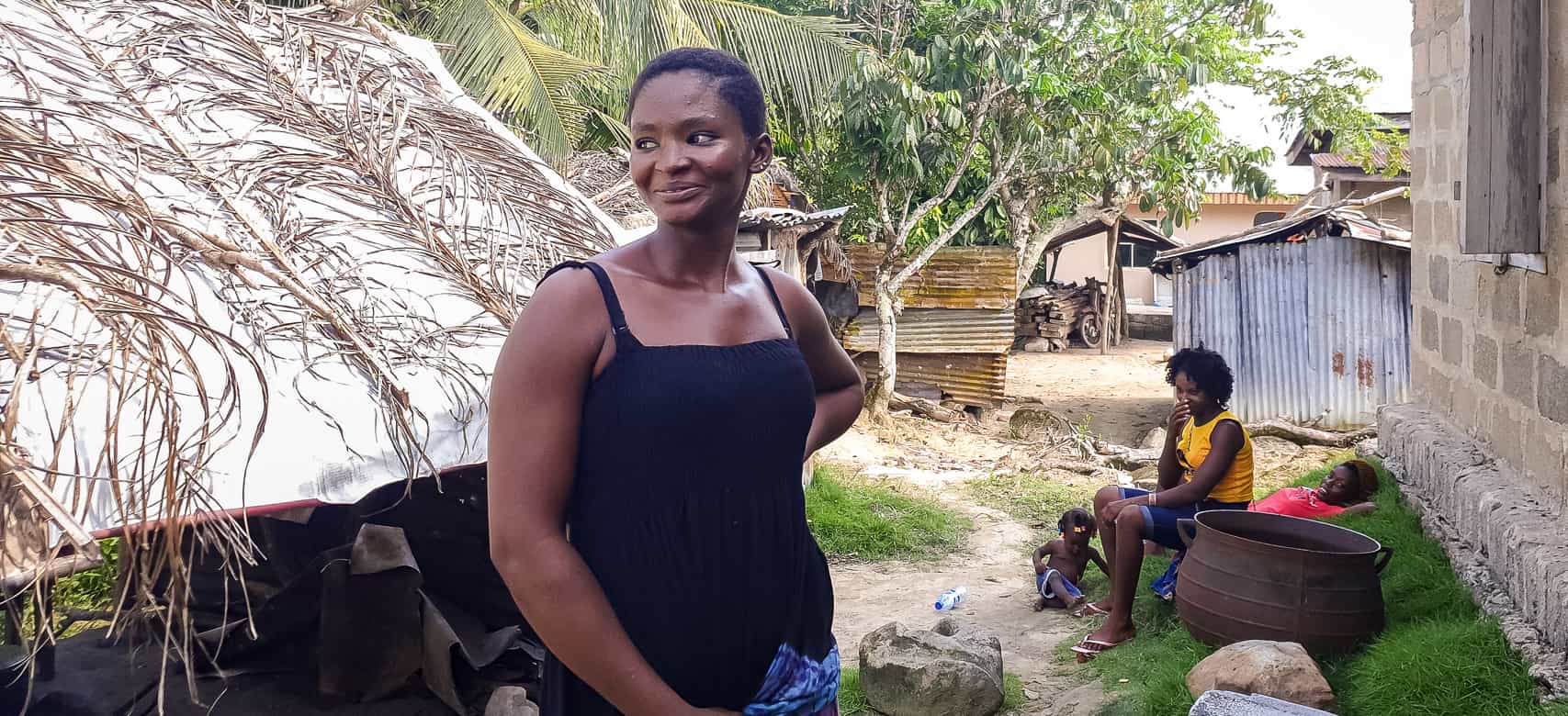
8 Must-See Insights for First-Time Parent Programs
Queen Esther is proud to lead this small peer group, part of a core package of activities for young first-time parents (FTPs) developed by the Evidence to Action (E2A) Project. E2A’s comprehensive first-time parent program model, implemented with dedicated country partners and funding from USAID, is effectively improving health and gender outcomes for this critical population
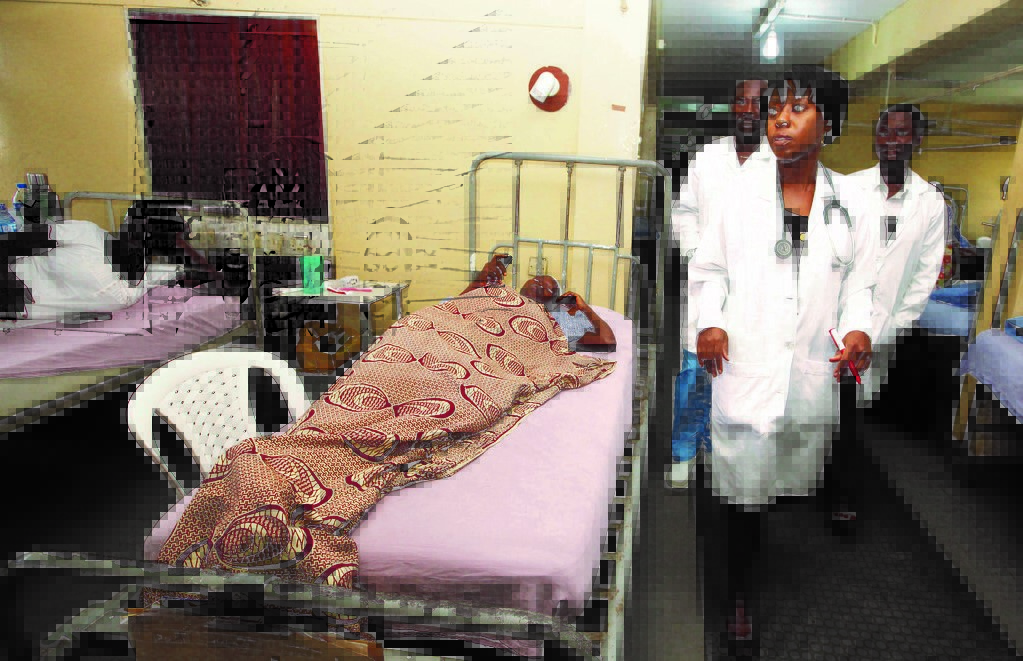
Gender-Supportive Supervision in Nigeria
SHOPS Plus implemented a gender-transformative supportive supervision activity in Nigeria. Their goal? Improve performance, retention, and gender equity for voluntary family planning providers.

Introducing a Curated Collection: COVID-19 and Voluntary Family Planning Resources
Too much information can be almost as bad as too little. That's why we've collected the best resources on voluntary family planning during COVID-19—all in one convenient place.
Gender-Based Violence in the Age of COVID-19
The IGWG GBV Task Force reviewed many of the GBV and COVID-19 technical resources delivered to our inboxes over the last few months and asked experts implementing GBV prevention and response activities during the pandemic to share resources they found most useful in their work. They highlight some of their favorites.