


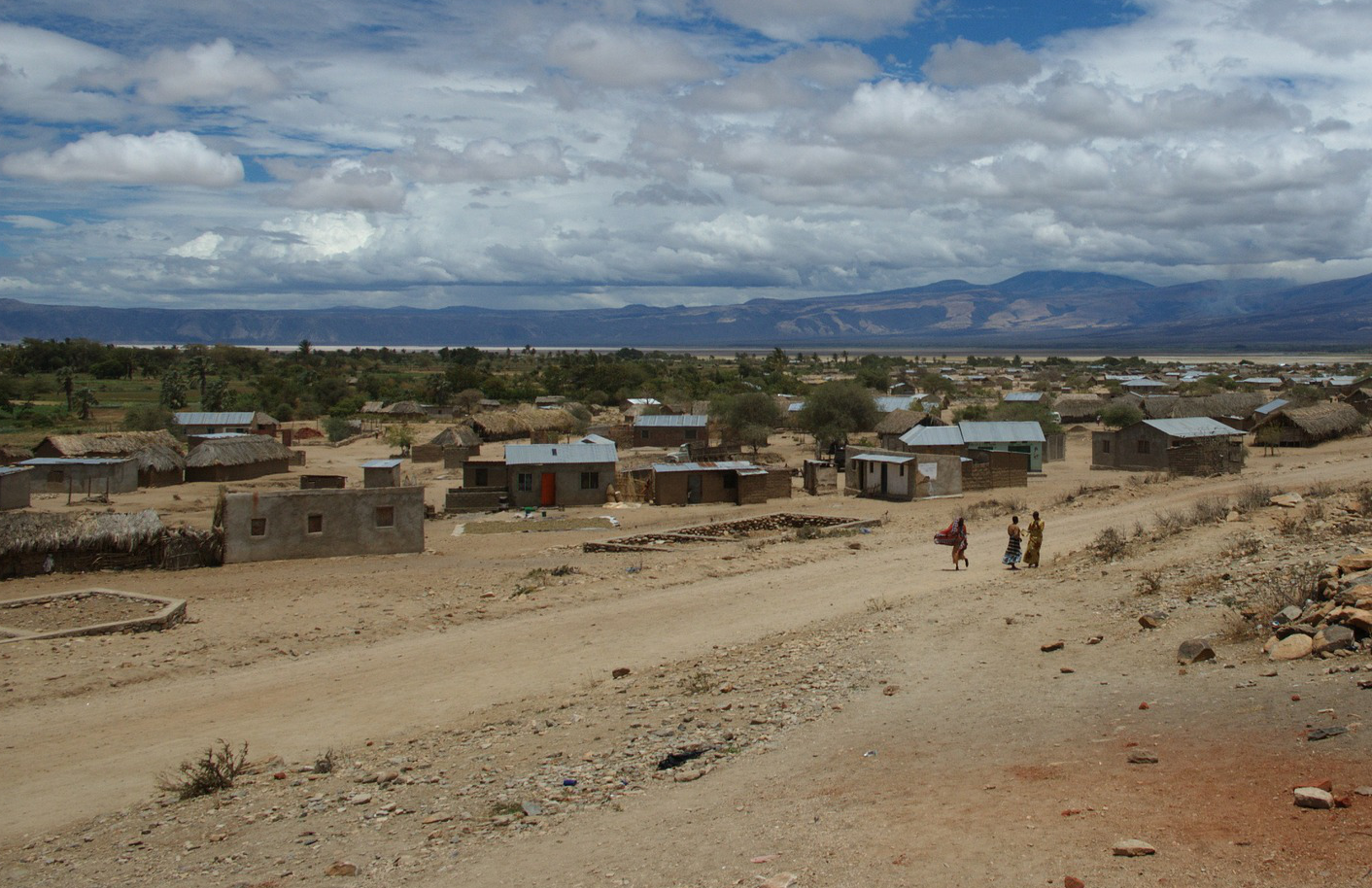
Improving Access to Reproductive and Maternal Health Services
The Uzazi Uzima Project's work to build the capacity of healthcare workers to provide high-quality services has improved access to reproductive, maternal, newborn, child, and adolescent health services—including family planning—in northern Tanzania's Simiyu Region.

The Pitch Announces Knowledge Innovation Winners
Knowledge SUCCESS last week announced four winners from a field of 80 contestants in "The Pitch," a global competition to find and fund creative knowledge management ideas for family planning.

Family planning, reproductive health, and population census: How are they linked?
Have you ever wondered how, if at all, census and survey activities relate to family planning and reproductive health? They do, quite a bit. Census data helps countries make more informed decisions when distributing resources to their citizens. For family planning and reproductive health services, the accuracy of these data cannot be emphasized enough. We spoke

Data is key for robust evidence-based decision making
For robust evidence-based decision making, data and statistics are essential. To ensure proper planning in reproductive health, the accuracy and availability of this data cannot be over emphasized. We spoke to Samuel Dupre, a statistician with the U.S. Census Bureau’s International Program, and Mitali Sen, the International Program’s Chief of Technical Assistance and Capacity Building, who

Reflections on advances in DMPA-SC and self-injection
FHI 360’s Catherine Packer shares a personal perspective on DMPA-SC’s past ten years, from early research to recent workshops. Since its introduction—and particularly since it became available for self-injection—DMPA-SC has become an important part of the global family planning and reproductive health landscape.
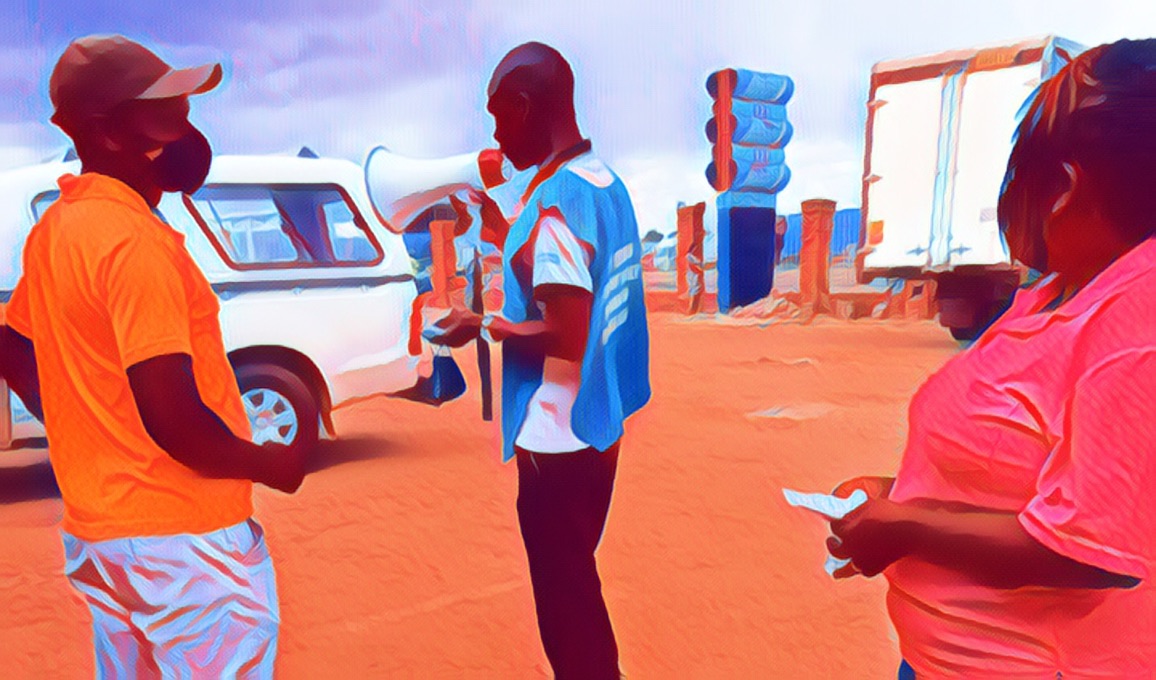
Resources for Mental Health and Family Planning
The Knowledge SUCCESS team recently spoke with Linos Muhvu, Secretary and Chief Talent Team Leader at the Society for Pre and Post Natal Services (SPANS) in the Goromonzi District of Zimbabwe, about the links between mental health and family planning and reproductive health. The devastation that COVID-19 has caused around the world—deaths, economic collapse, and long-term

Challenging Social Norms on Disability
Sarah V. Harlan, Partnerships Team Lead for Knowledge SUCCESS, spoke with Cynthia Bauer, the Founder and Executive Director of Kupenda for the Children. Kupenda is a non-profit organization whose mission is to transform harmful beliefs surrounding disability to those that improve children’s lives.

Spotlight on Couple-Focused Interventions in Family Planning Programs
Evidence to Action (E2A) has been reaching young first-time parents Burkina Faso, Tanzania, and Nigeria in recent years for strengthening family planning and reproductive health service delivery for girls, women, and underserved communities.
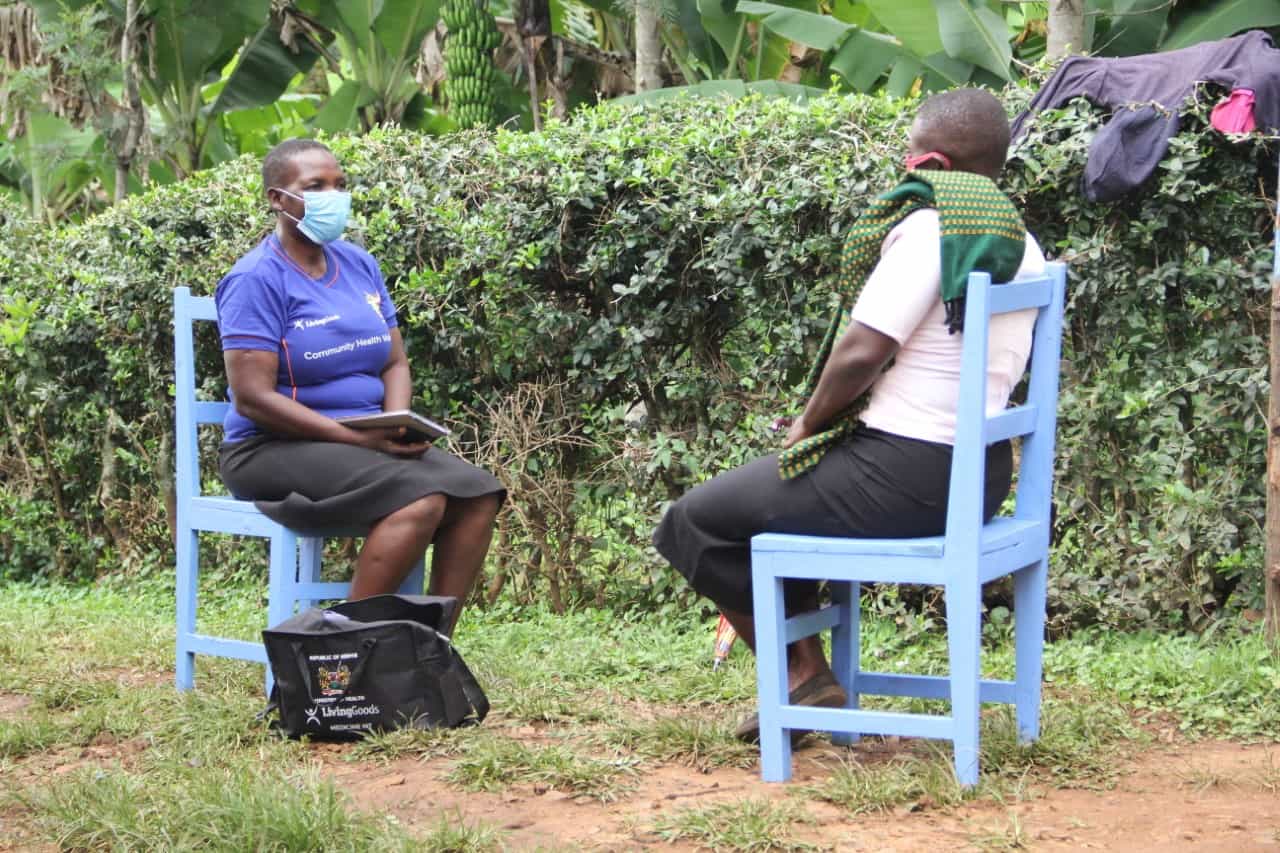
A Closer Look at Community Health and Family Planning in Action
The Knowledge SUCCESS East African team engaged its partners at Living Goods East Africa (Kenya and Uganda) for an in-depth discussion on their community health strategy for implementing programs and how innovations are essential towards enhancing global development.

Digital Health Pilot Project in Uganda Extends the Reach of Family Planning Care in the Community
Community health workers (CHWs) used digital health technology to advance access to family planning care at the community level. CHWs are a critical component of any strategy to bring health services closer to people. The piece calls on policy makers and technical advisors to sustain investments in the digitization of community health programs to reduce unmet