


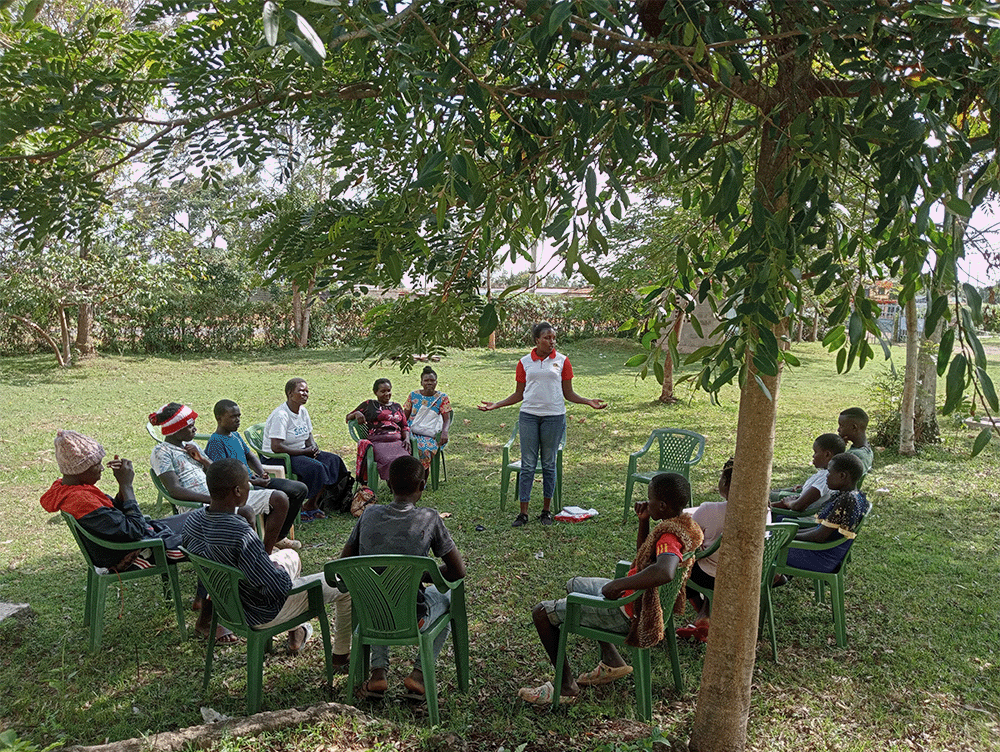
Navigating Sexual Reproductive Health as a Young Person
This spotlight series will focus on our valued KM champions in East Africa and shed light on their journey to working in FP/RH. In today’s post, we spoke with Mercy Kipng'eny, a program assistant for SHE SOARS project at the Center for Study of Adolescence in Kenya.
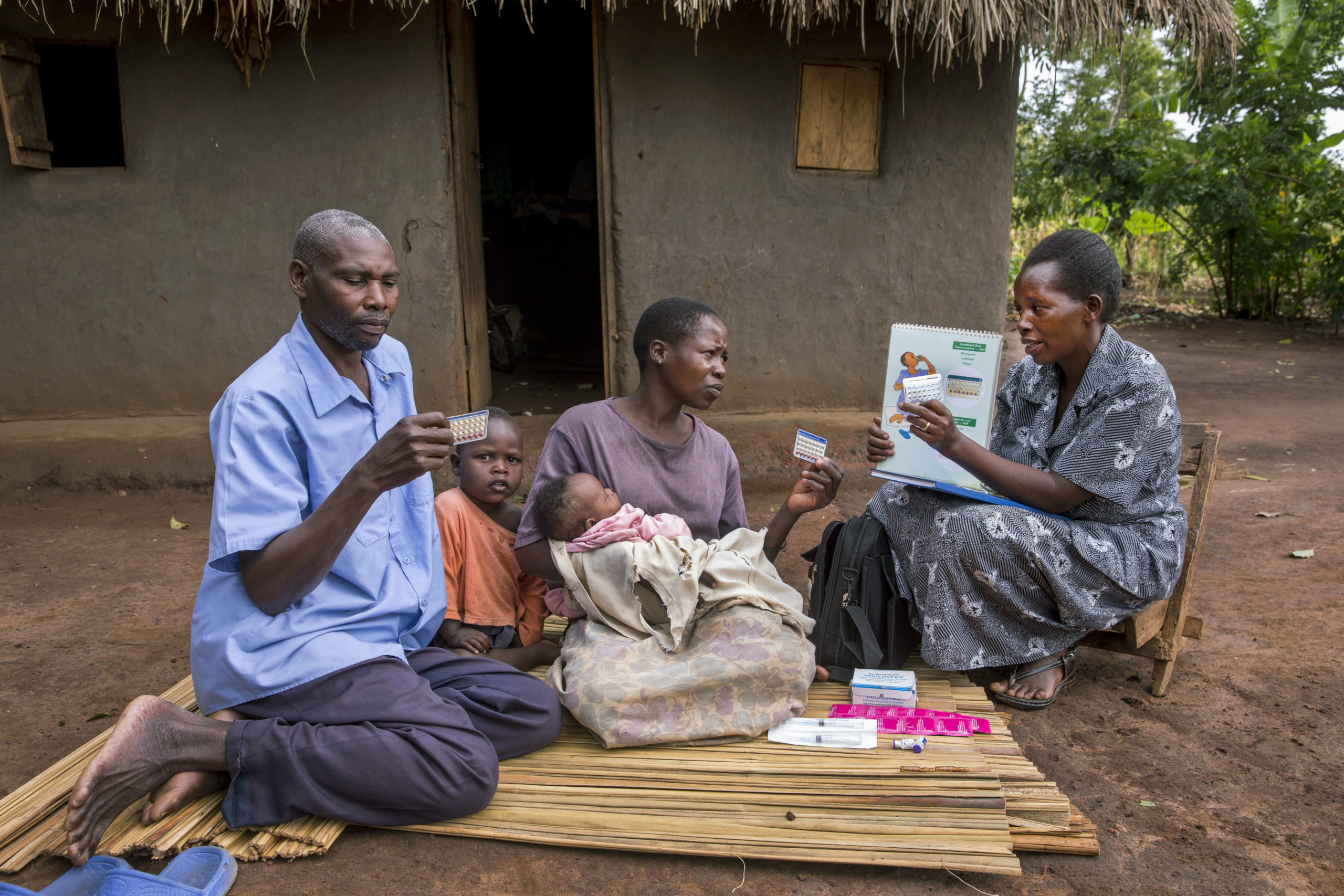
Engaging Men to Increase Postpartum Contraceptive Uptake
During all stages of reproductive life, men play an important role in conversations and decisions about contraceptive use, family size, and spacing of children. Yet, even with this decision-making role, they are often left out of family planning and contraceptive programming, outreach, and education efforts.

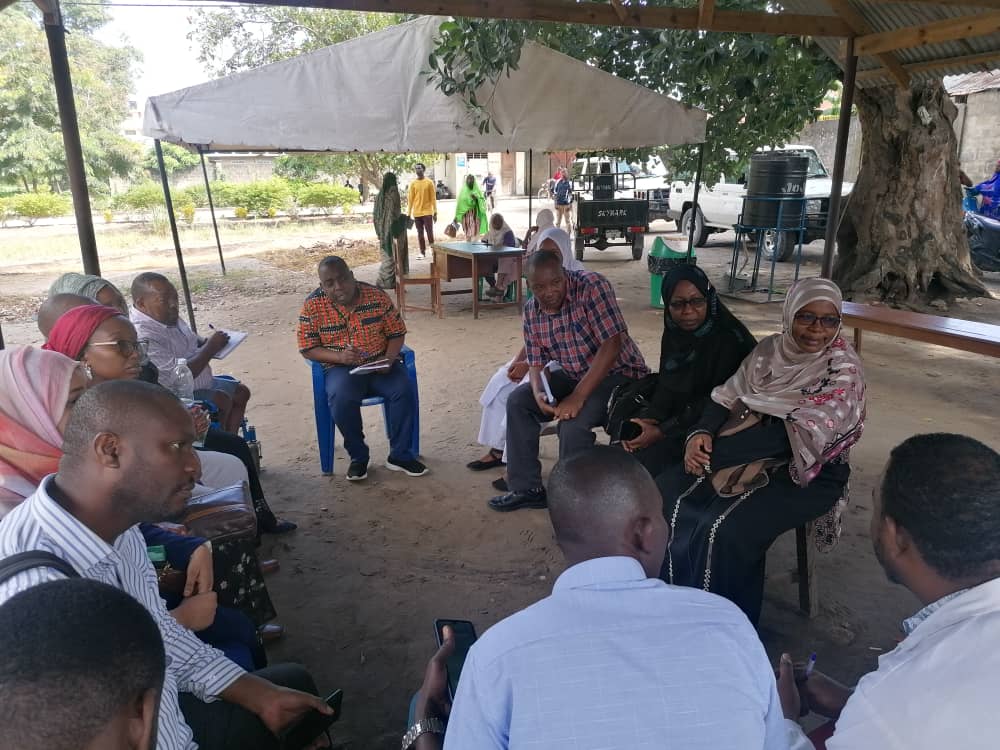
Family Planning and Reproductive Health Access and Utilization in East Africa
38 family planning and reproductive health (FP/RH) workforce members came together for the 2022 East Africa Learning Circles cohort. Through structured group dialogues, they shared and learned from each other’s practical experiences, on what works and what doesn’t in improving FP/RH access and use.

A women-led approach to building resilience for communities in Uganda
An interview with Jostas Mwebembezi, Executive Director and Founder of The Rwenzori Center for Research and Advocacy in Uganda, which serves women, children, and adolescents in the poorest communities to help them access improved livelihoods, including better health care and education.

The Journey Towards Gender Equality and Women’s Empowerment
Katosi Women Development Trust (KWDT) is a registered Ugandan non-governmental organization that is driven by its mission to enable women and girls in rural fishing communities to effectively engage in socioeconomic and political development for sustainable livelihoods. KWDT Coordinator Margaret Nakato shares how the implementation of a fishing project under the organization’s economic empowerment thematic area
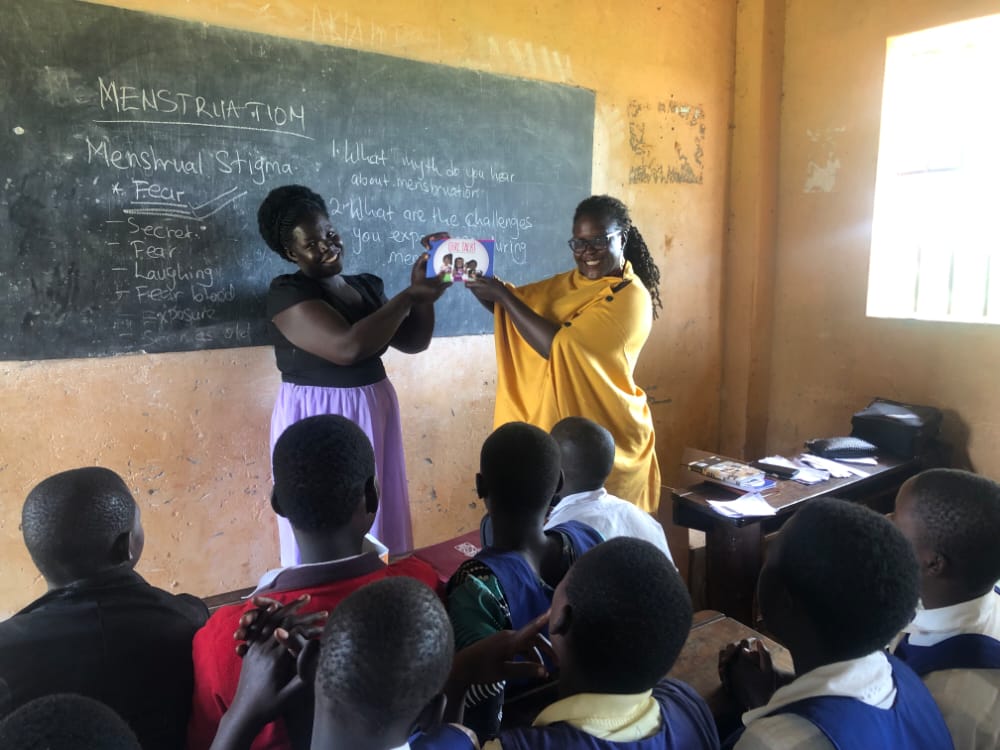
Empowering Girls Through Menstrual Hygiene Management: Wii Tuke Gender Initiative’s MVoice Campaign
Wii Tuke Gender Initiative is a women- and youth-led organization in Northern Uganda’s Lira District (in the Lango sub-region) that uses technology and culture to empower women and girls from structurally silenced communities.

FP/RH Champion Spotlight: Young and Alive Initiative
Young and Alive Initiative is a collective of young professionals, health care providers, and talented content creators who are passionate about sexual and reproductive health and rights (SRHR) and social development in Tanzania and beyond.
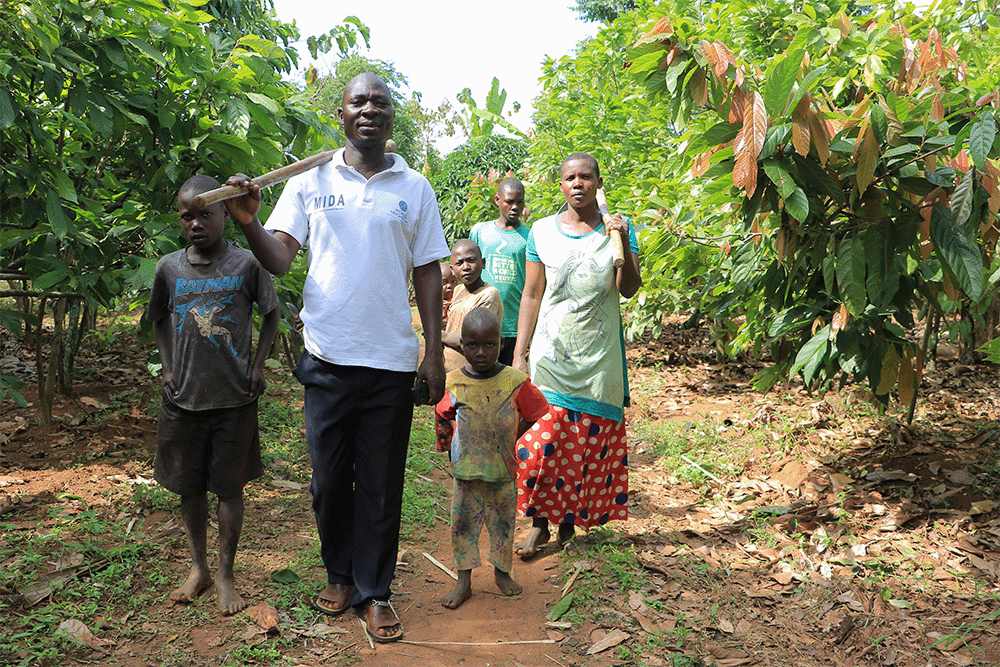
The Sustained Impact of East Africa’s HoPE-LVB Project
A new Knowledge SUCCESS learning brief documents the sustained impact of activities started under the Health of People and Environment–Lake Victoria Basin (HoPE-LVB) project, an eight-year integrated effort that ended in 2019. Featuring insights from HoPE-LVB stakeholders several years after the project’s closure, this brief offers important lessons learned to help inform future design, implementation, and

Kenya Lays Out Bold Knowledge Management Strategies in Its FP2030 Commitments
Knowledge management was a key component in the creation of Kenya’s FP2030 Commitments.