



Uganda Youth Alliance for Family Planning and Adolescent Health (UYAFPAH)
This week, we're featuring The Uganda Youth Alliance for Family Planning and Adolescent Health (UYAFPAH) in our FP/RH Champion Spotlight series. UYAFPAH’s primary mission is advocating for positive change in health matters that affect young people in Uganda.

Making Contraceptives Accessible to Adolescent Youth in Northern Uganda
Marie Stopes Uganda’s Gulu Light Outreach provides free mobile clinics that engage Northern Ugandan communities on reproductive health. Using peer-to-peer influence and outreach in markets and community centers, the team educates young people on contraceptives. It aims to spur family planning and support a culture that prioritizes the futures of its youth and the sustainability of

Intergenerational Dialogues on Family Planning and SRH Services
Though discussions around reproductive health services should be open to all, adolescent boys and girls experience often don’t get to take part in them, with their parents and guardians making most decisions about health on their behalf. Kenya’s health department is implementing various interventions focusing on young people. Through The Challenge Initiative’s (TCI) program, Mombasa County

Practitioners Weigh In on the Impact of PHE Networks
In March 2021, Knowledge SUCCESS and Blue Ventures, a marine conservation organization, collaborated on the second in a series of community-driven dialogues on People-Planet Connection. The goal: to uncover and amplify the learnings and impact of five national PHE networks. Learn what network members from Ethiopia, Kenya, Madagascar, Uganda, and the Philippines shared during the
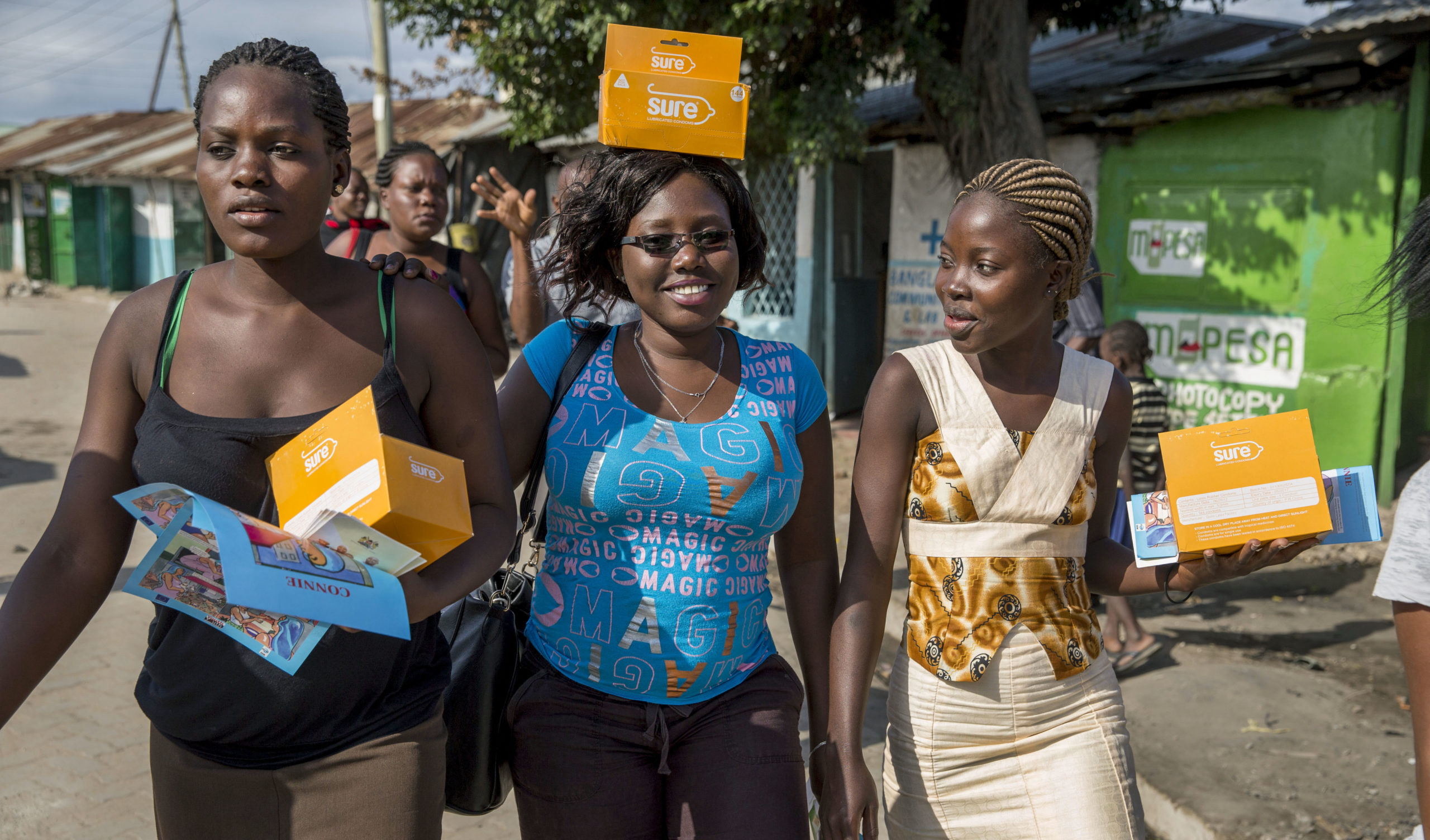
Accelerating Young People’s Access to Contraceptive Services
Pharmacies play a critical role in providing access to reproductive health services in low-resource settings in Kenya. Without this private-sector resource, the country would not be able to meet the needs of its young people. Kenya’s National Family Planning Guidelines for Service Providers allow pharmacists and pharmaceutical technologists to counsel, dispense, and provide condoms, pills, and
In Uganda, a New Approach to Ending Sexual and Gender Based Violence: Training Men
Women continue to experience various forms of violence across Uganda, can training men help to shatter cultural perceptions of gender and correspondingly work to prevent gender based violence?
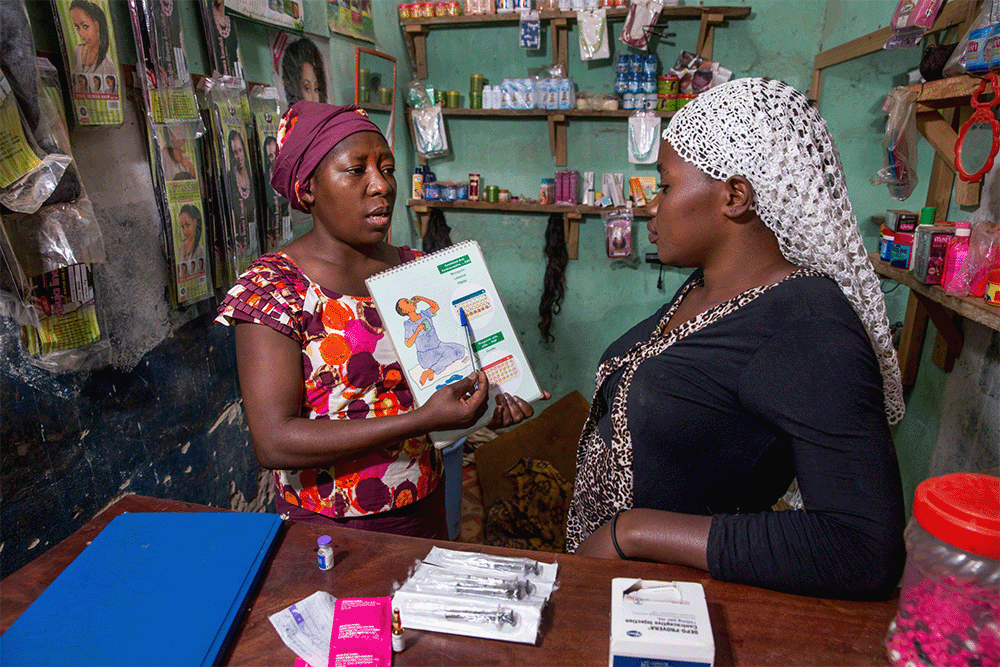
The Drug Shop Operators Handbook
In July 2021, USAID’s Research for Scalable Solutions (R4S) project, led by FHI 360, released the Drug Shop Operators' Provision of Injectable Contraception manual. The handbook shows how drug shop operators can coordinate with the public health system to safely provide an expanded method mix that includes injectables, as well as training for clients on self-injection.

Making Gloves, Forceps, and Other Supplies More Than an Afterthought
Massive improvements in our family planning (FP) supply chains in recent years have generated an expanded and more reliable method choice for women and girls around the world. But while we celebrate such success, one nagging issue that warrants attention is the corresponding equipment and consumable supplies, like gloves and forceps, necessary to administer these contraceptives:

Introducing Connecting the Dots Between COVID-19 and Family Planning
Connecting the Dots Between Evidence and Experience combines the latest evidence with implementation experiences to help technical advisors and program managers understand emerging trends in family planning and inform adaptations to their own programs. The inaugural edition focuses on the impact of COVID-19 on family planning in Africa and Asia.

Promoting Maternal Health Care Through Community Sensitization
The role of patriarchy in South Sudan was clear when Maper Village community chiefs and members resisted male midwives being deployed to Aweil Hospital's Maternity Ward. To combat the stigma, the South Sudan Nurses and Midwives Association (SSNAMA) piloted the “Safe Motherhood Campaign” for community engagement. They addressed misconceptions about maternal health care, helping to change