


Technical Consultation on Contraceptive-Induced Menstrual Changes
On November 17‒18, 2020, a virtual technical consultation on contraceptive-induced menstrual changes (CIMCs) convened experts in the fields of family planning and menstrual health. This meeting was coordinated by FHI 360 through the Research for Scalable Solutions (R4S) and Envision FP projects with support from the U.S. Agency for International Development (USAID).

Digital Health Pilot Project in Uganda Extends the Reach of Family Planning Care in the Community
Community health workers (CHWs) used digital health technology to advance access to family planning care at the community level. CHWs are a critical component of any strategy to bring health services closer to people. The piece calls on policy makers and technical advisors to sustain investments in the digitization of community health programs to reduce unmet

Program Briefs: Changing Attitudes to Shift Contraceptive Demand
When it comes to family planning and reproductive health (FP/RH) programming, encouraging behavior change starts by understanding what shapes consumer decisions. Because when we truly understand the core attitudes that influence – and at times, limit – how people perceive contraception, we can better design and deliver solutions that serve their needs.

Introducing a Curated Collection: COVID-19 and Voluntary Family Planning Resources
Too much information can be almost as bad as too little. That's why we've collected the best resources on voluntary family planning during COVID-19—all in one convenient place.

Le Sénégal : Un leader pendant la COVID-19 pour l’accès aux soins de PF/SR
L’expérience de la COVID-19 a démontré l’impact des épidémies dans la continuité de l’offre de soins particulièrement celle de PF/SR. C’est pour cela, qu’en dehors de mesures prises pour lutter contre la COVID-19, on a compris qu’il est important de conduire parallèlement des actions qui garantissent la disponibilité et continuité des services essentiels SRMNIA.
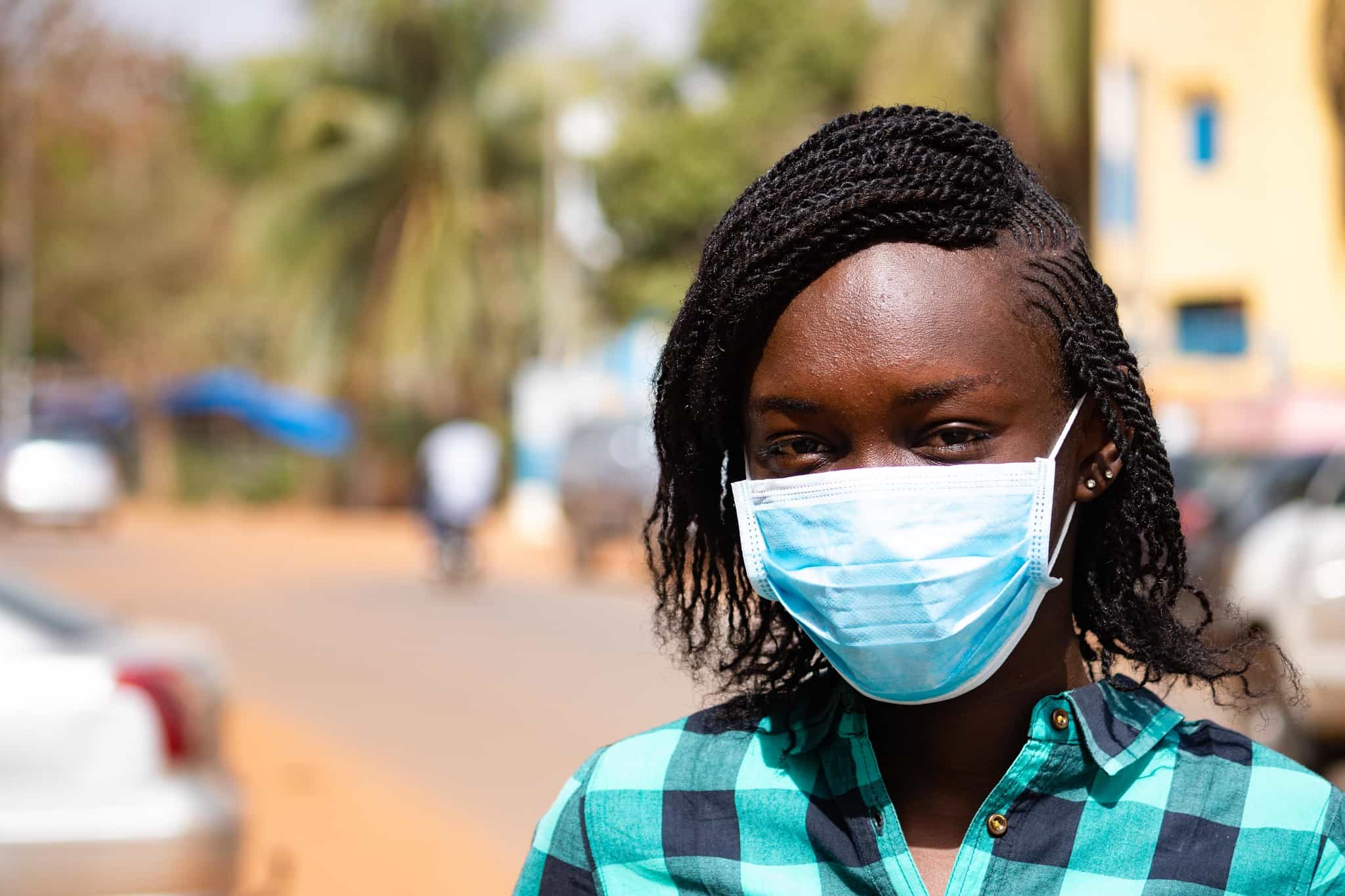
How Are Governments Ensuring that Voluntary Family Planning Remains an “Essential Service” During COVID-19?
In a variety of ways that suit their contexts, countries around the world have adapted international guidance on providing family planning care during the COVID-19 pandemic. Tracking the extent to which these new policies are successful in maintaining women’s access to safe, high-quality care will provide valuable lessons for responses to future public health emergencies.

Malawi’s Self-Care Success Story: Rapid Introduction of Self-Injectable Contraception
The chronicle of Malawi’s rapid, efficient introduction of self-injected subcutaneous DMPA (DMPA-SC) into the method mix is a model of teamwork and coordination. Although this process typically takes about 10 years, Malawi achieved it in fewer than three. Self-injected DMPA-SC epitomizes the ideal of self-care by empowering women to learn how to inject themselves, and has
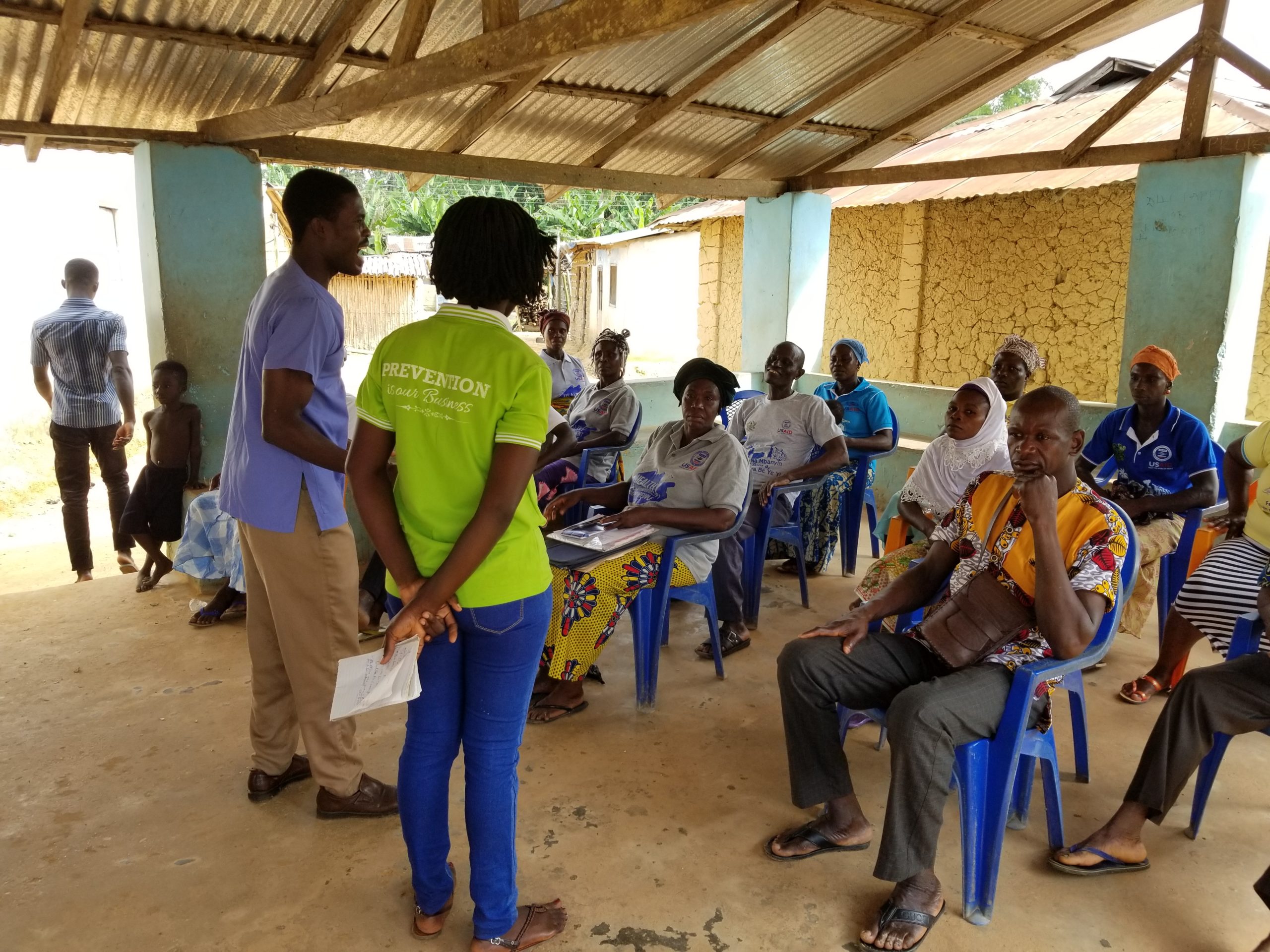
Hen Mpoano: Building a Healthy Environment and Healthy Families at the Last Mile
Ghanaian nonprofit Hen Mpoano implements and supports coastal and marine ecosystems governance projects and best practices. Tamar Abrams talks with Hen Mpoano's deputy director about a recent project that took a Population, Health, and Environment (PHE) approach, integrating the health of both the environment and those who live there.

Reimagining Delivery of Essential Health Care
With the prospect of delivering an effective COVID-19 vaccine ever changing, public health professionals have a responsibility to ensure uninterrupted access to essential health care to women and their families. We must take this opportunity to reinvigorate health systems strengthening efforts that prioritize decentralized, community-based and client-focused mechanisms for accessing health products, services and information.
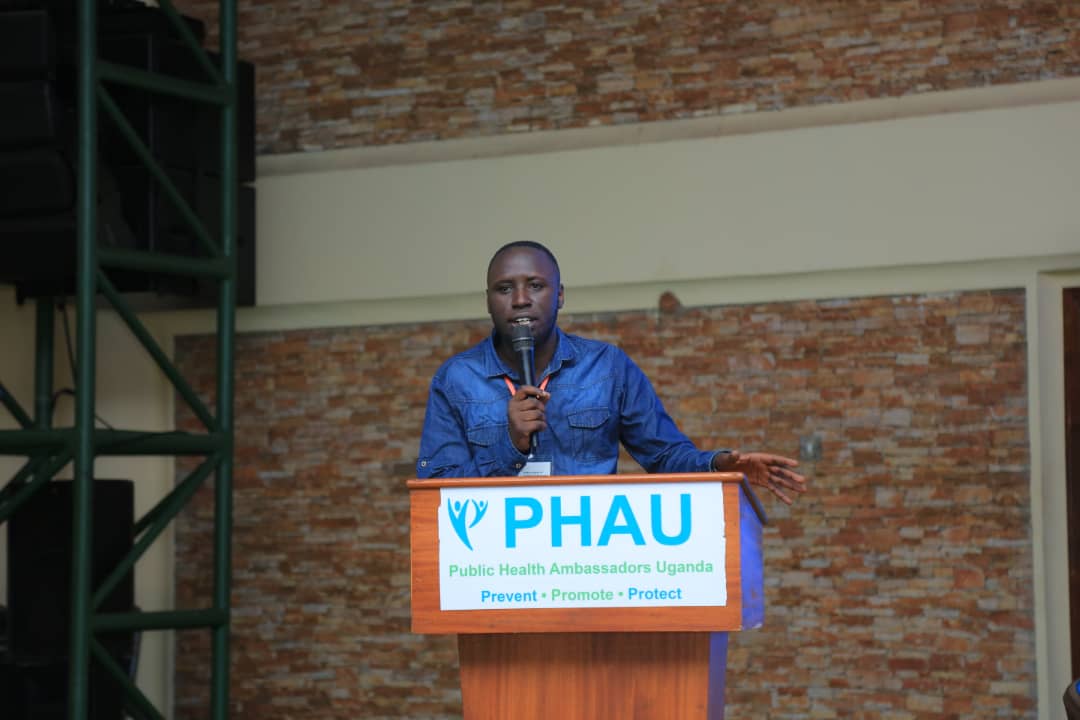
Sustaining Access to Voluntary Reproductive Health Care in East Africa
Youth and adolescents need special consideration. This article articulates the important role of decision makers and technical advisors in enhancing access to RH services by youth during COVID-19.