



Planning for the End-of-Project Year
In the final year of SHOPS Plus, we used an approach to arrive at key themes for our last year. We will use the themes as a framework to organize our learning across the project. The steps below are not, of course, the only way to organize learnings, and they are a work in progress. We

Mental Health Wellness in GBV Prevention and Response
This blog provides an overview of the mental health effects of care work and GBV service provision on health providers, approaches to support self-care and improved health systems, and policy recommendations for the future.

Promoting Maternal Health Care Through Community Sensitization
The role of patriarchy in South Sudan was clear when Maper Village community chiefs and members resisted male midwives being deployed to Aweil Hospital's Maternity Ward. To combat the stigma, the South Sudan Nurses and Midwives Association (SSNAMA) piloted the “Safe Motherhood Campaign” for community engagement. They addressed misconceptions about maternal health care, helping to change
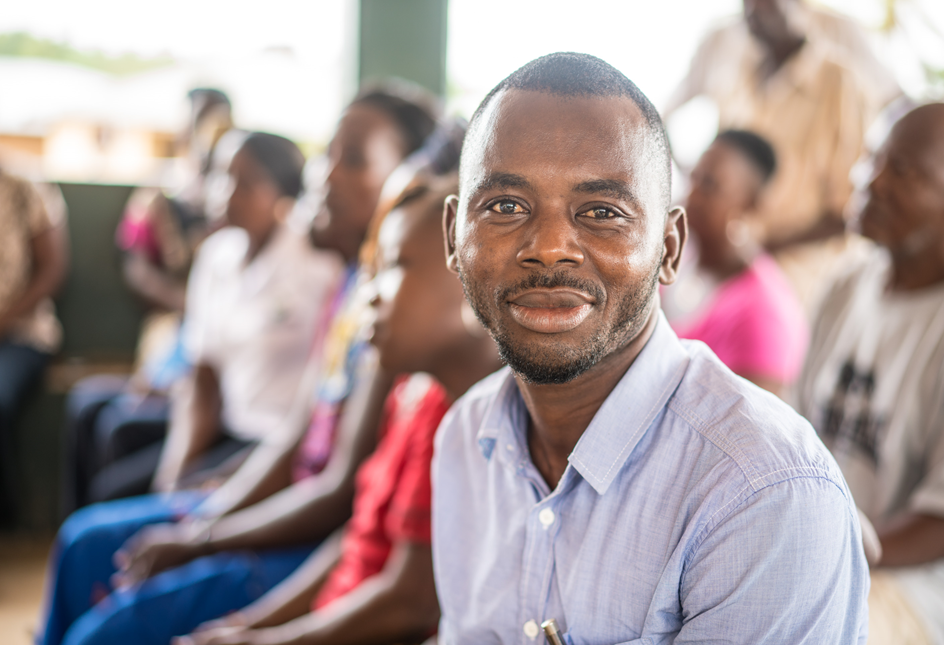
Recap: Using Social and Behavior Change to Meet Youth FP/RH Needs
On September 29, 2021, Breakthrough ACTION hosted a discussion on meeting youth family planning and reproductive health (FP/RH) needs. Attendees had the opportunity to participate in three discussions that highlighted Breakthrough ACTION’s resources and knowledge on expanding youth access to FP/RH services and information.
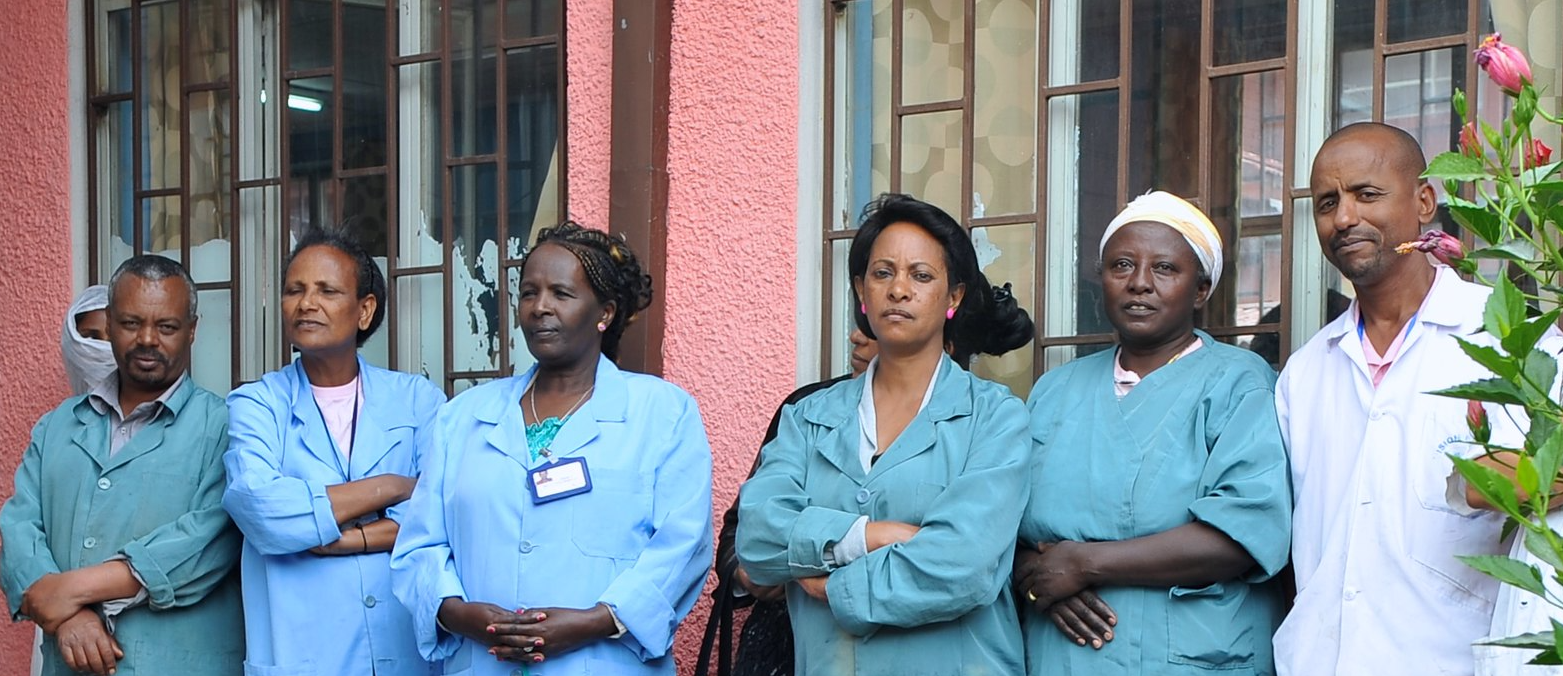
HIV and Contraceptive Service Integration for Female Sex Workers
Key populations, including female sex workers, face barriers to health care access that include stigma, criminalization, and gender-based violence. In many cases, these barriers can be mitigated by peer educators, who bring valuable insight and may engender trust with clients.

Ensuring Access to Menstrual Health Supplies
Earlier this year, the Reproductive Health Supplies Coalition (RHSC) and Mann Global Health published “Landscaping Supply Side Factors to Menstrual Health Access.” This post breaks down the key findings and recommendations in the report. It talks about ways that donors, governments, and others can ensure access to menstrual health supplies for all who need them.

Increasing the Impact of Reproductive Health Programs
This piece summarizes a recent study by the USAID-funded Passages Project exploring social norms impacting the reproductive health of adolescent girls and young women in Burundi. We explore how the research findings can be applied in the design of reproductive health programs to identify and involve key influence groups that influence social norms.

Increasing the Impact of Reproductive Health Programs
This piece summarizes a recent study by the USAID-funded Passages Project exploring social norms impacting the reproductive health of adolescent girls and young women in Burundi. We explore how the research findings can be applied in the design of reproductive health programs to identify and involve key influence groups that influence social norms.

And Another Thing: Week of December 20, 2021
With so many useful tools, resources, or newsworthy items to choose from, maybe you’d like to know more about what’s available? We’re testing a new product called And Another Thing, a list of more resource choices that are useful, relevant, and timely to anyone working in FP/RH.

Four Key Modifications for Successful Virtual Co-Creation
When the COVID-19 pandemic caused everything to shut down, Knowledge SUCCESS saw this as an opportunity to champion empathetic workshop design and be an early adopter of virtual co-creation.