


Condoms: A Tried-and-True Family Planning Innovation
Approximately 121 million unintended pregnancies occurred each year between 2015 and 2019. When used correctly, female condoms are 95% effective at preventing pregnancy and sexually transmitted infection. Male (external) condoms provide a nearly impermeable barrier to particles the size of STI pathogens and HIV and are 98% effective at pregnancy prevention when used properly. Condoms remain
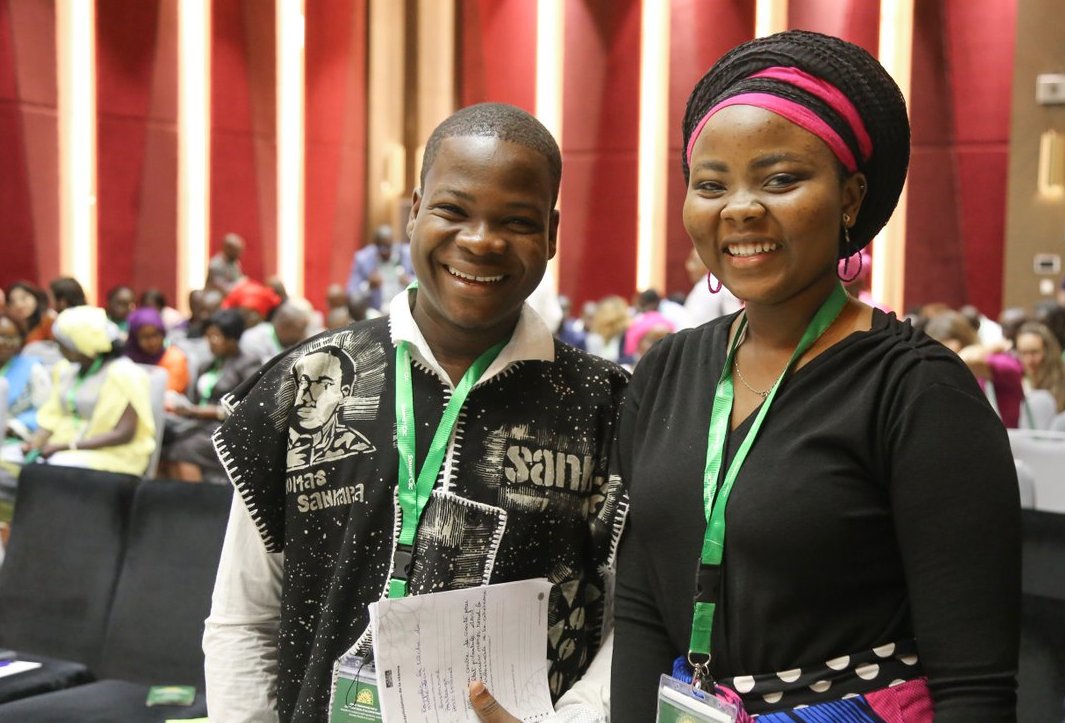
Meaningful Youth Engagement in Family Planning Programs
From October 2021 through December 2021, members of the family planning and reproductive health (FP/RH) workforce based in francophone sub-Saharan Africa and the Caribbean convened virtually for the second Knowledge SUCCESS Learning Circles cohort. The cohort focused on the topic of meaningful youth engagement in FP/RH programs.
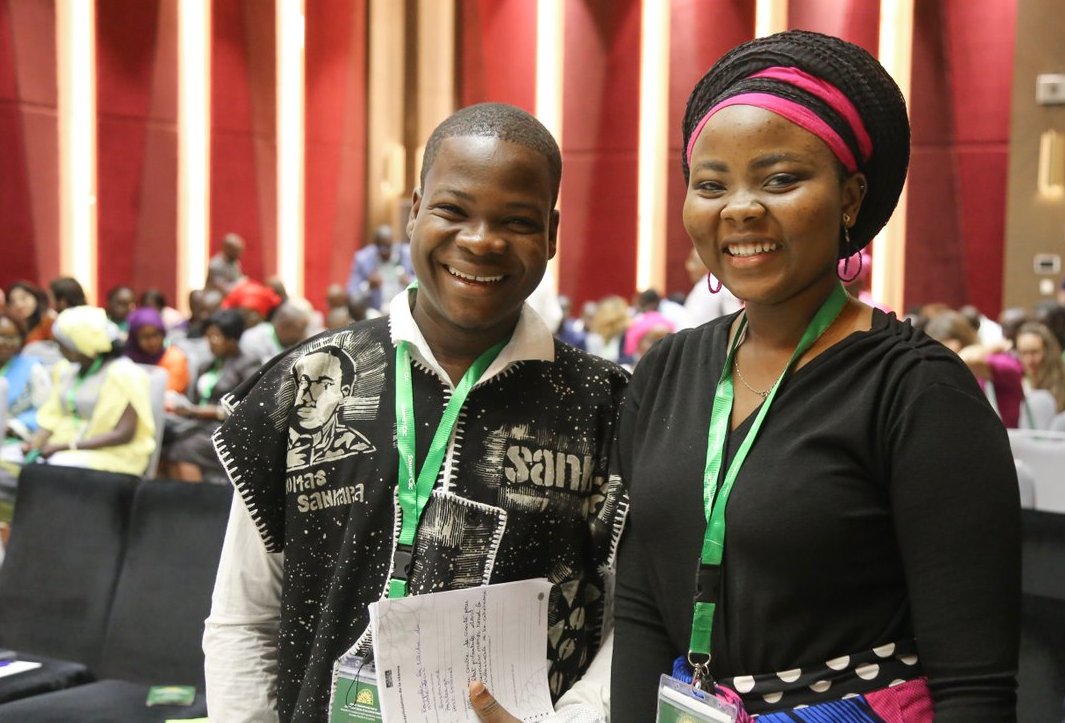
La mobilisation significative des jeunes dans les programmes de planification familiale
D'octobre à décembre 2021, des professionnels de la planification familiale et de la santé reproductive (PF/SR) basés en Afrique subsaharienne francophone et dans les Caraïbes se sont réunis virtuellement pour la deuxième cohorte de Learning Circles de Knowledge SUCCESS. Le thème principal était la mobilisation significative des jeunes dans les programmes de PF/SR.
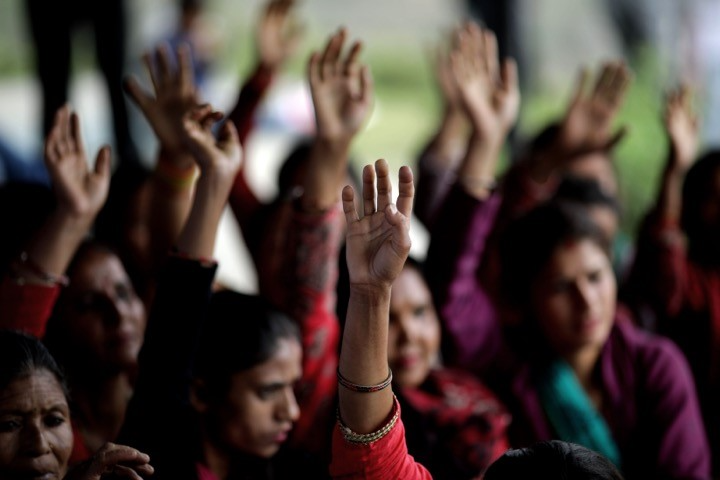
Family Planning Association Nepal Is Leaving No One Behind
Created in 1959, Family Planning Association Nepal (FPAN) is the country’s first national sexual and reproductive health service delivery and advocacy organization. Sixty-three years later, FPAN continues to ensure that family planning (FP) information and services are available and accessible to families—no matter their identity, ability, location, gender, or socioeconomic status.
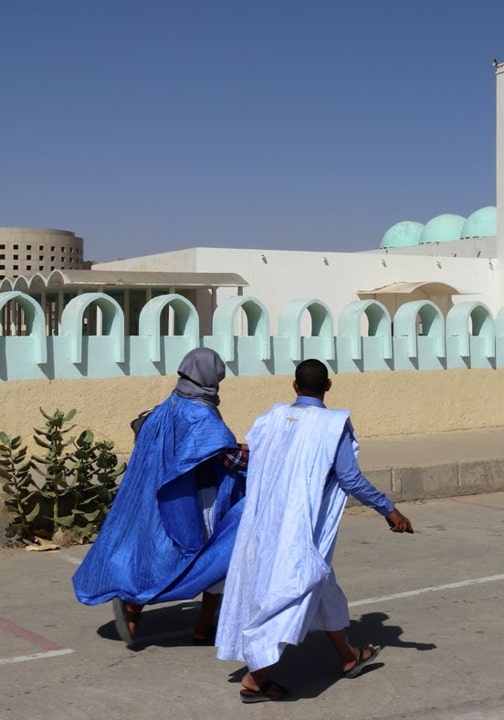
Religious Leaders: Allies for the Well-Being of Youth and Women
This webinar highlighted the role of religious leaders as important allies in promoting positive social norms for the reproductive health and well-being of young people and women, as well as the importance of partnerships and coalitions in building transformative community dialogue for positive change. It was jointly organized by the Passages Project (Institute for Reproductive Health,

Making Gloves, Forceps, and Other Supplies More Than an Afterthought
Massive improvements in our family planning (FP) supply chains in recent years have generated an expanded and more reliable method choice for women and girls around the world. But while we celebrate such success, one nagging issue that warrants attention is the corresponding equipment and consumable supplies, like gloves and forceps, necessary to administer these contraceptives:

Introducing Connecting the Dots Between COVID-19 and Family Planning
Connecting the Dots Between Evidence and Experience combines the latest evidence with implementation experiences to help technical advisors and program managers understand emerging trends in family planning and inform adaptations to their own programs. The inaugural edition focuses on the impact of COVID-19 on family planning in Africa and Asia.
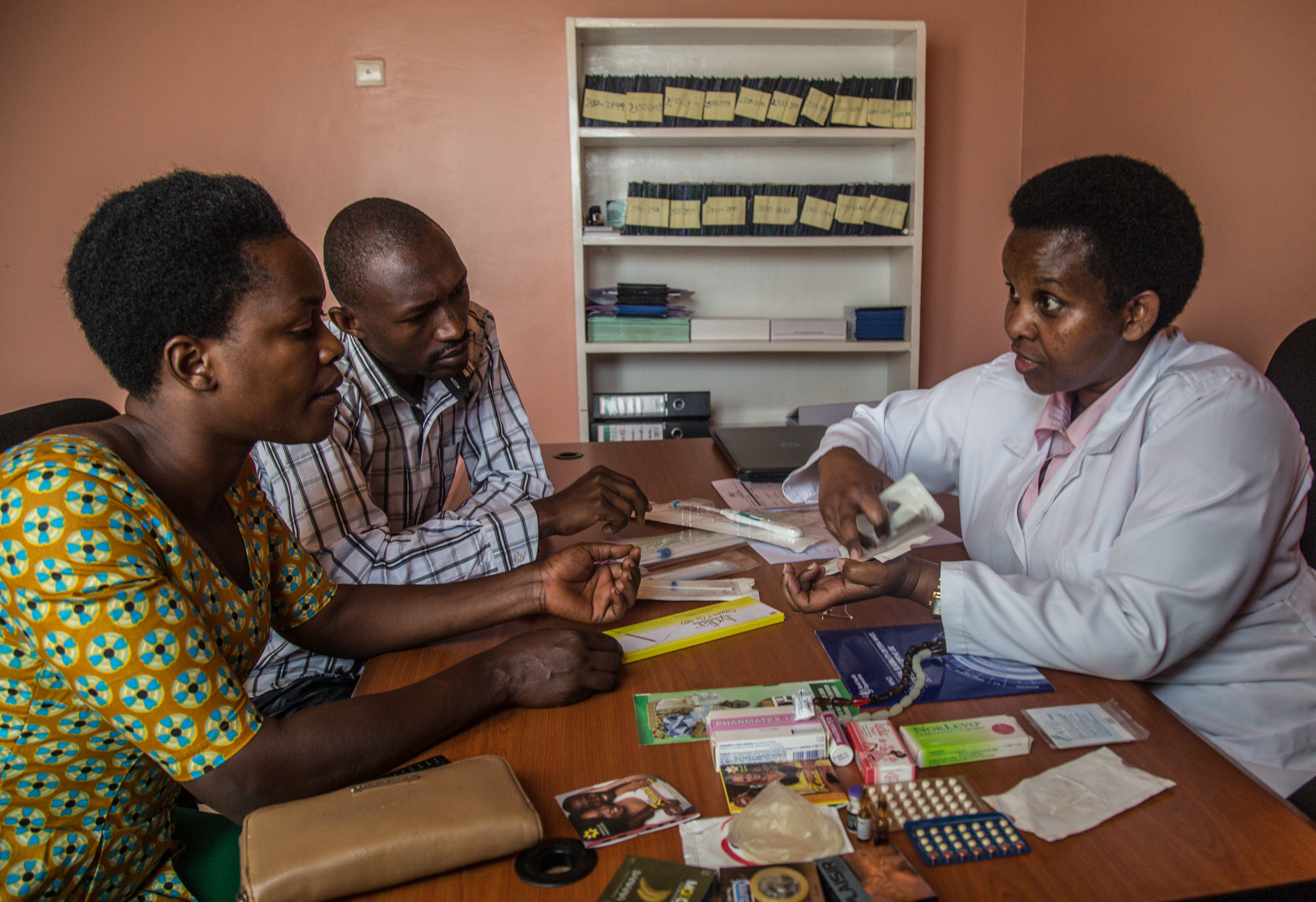
What Impact Do Gender and Power Have on FP Decision-Making?
Analyzing the impact of gender inequities on contraceptive decision-making experiences through the lens of a power framework can provide critical insights. These can give programs a better understanding of how to address barriers to women and girls’ access to and use of contraception.
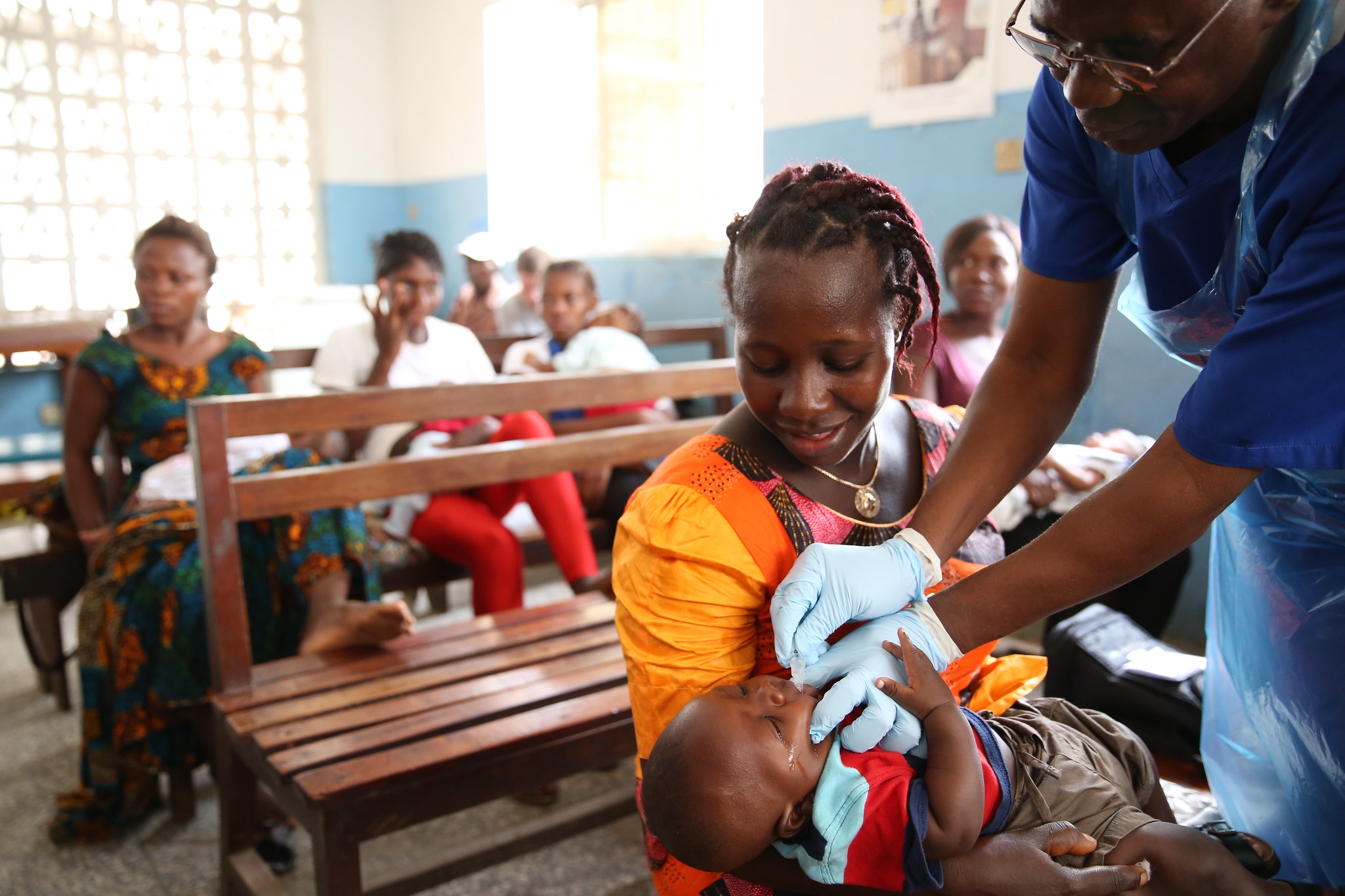
A New Set of Composite Indicators for Integrated Service Delivery
The INSPiRE project is introducing integrated performance indicators into policy and practice in francophone West Africa.

Season Two of Inside the FP Story Launches
The Inside the FP Story podcast explores the details of family planning programming. Season 2 is brought to you by Knowledge SUCCESS and the World Health Organization (WHO)/IBP Network. It will explore implementation experiences from 15 countries and programs around the world. Over six episodes, you will hear from the authors of a series of implementation