


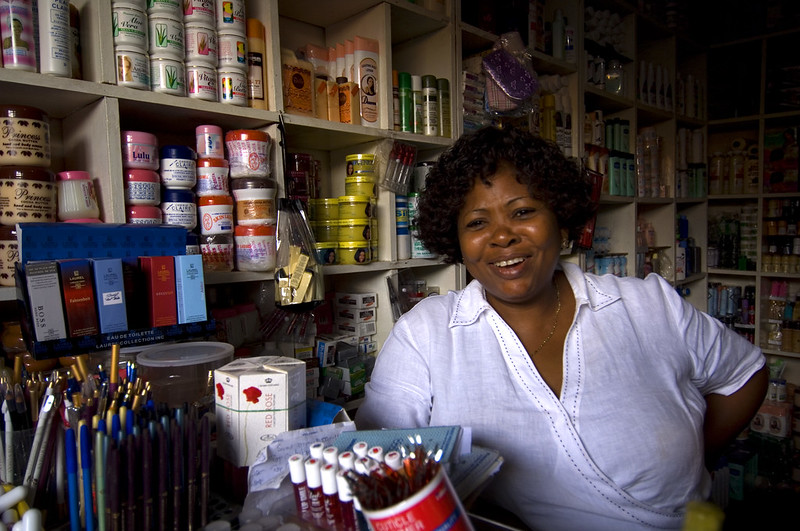
The Link Between Self-Care and Universal Health Coverage
As governments and global bodies collectively work toward universal health coverage, self-care is an important — if not critical — element. Self-care equips people to act as informed agents of and protect their own health, prevent disease, and treat illness, both with and without the support of a healthcare provider.

Is Better Measurement the Key to Increased Investment in Social and Behavior Change for Voluntary Family Planning in Francophone West Africa?
Social and behavior change (SBC) approaches can increase the use of modern contraceptives by addressing the attitudes and social norms that influence demand. However, they often do not receive attention, partly because many practitioners are not effectively measuring their SBC efforts. Breakthrough ACTION interviewed voluntary family planning stakeholders in West Africa to learn why.

Postabortion Care and Postpartum Family Planning During COVID-19
Preserving voluntary family planning as an essential service amid the COVID-19 pandemic has been the clarion call for global actors in the family planning and reproductive health field. How do we also ensure that women seeking postpartum or postabortion care don’t fall in the gaps?
Digital Health Compendium: Showcasing Digital Solutions for Family Planning and Reproductive Health
Although investments in digital health solutions for voluntary family planning have expanded exponentially, information on what works (and what does not) has always kept pace. The Digital Health Compendium curates the latest results from projects using digital technology to inform the adoption and scale-up of successful family planning approaches, as well as encouraging learning and adaptation
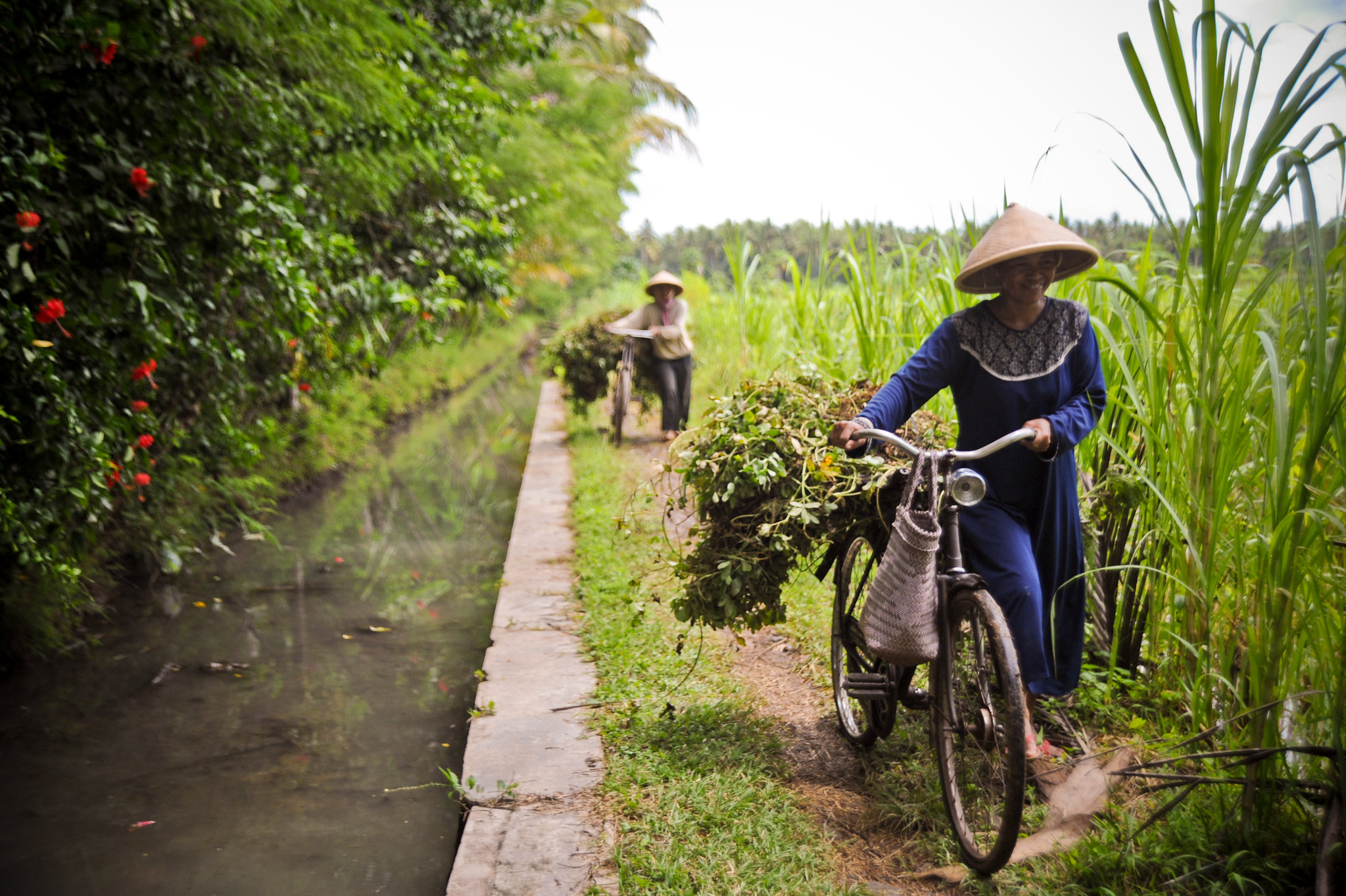
20 Essential Resources for Population, Health, and Environment (PHE)
This new collection will provide the population, health, and environment community with quality, easy-to-find resources to foster knowledge exchange.

Program Briefs: Changing Attitudes to Shift Contraceptive Demand
When it comes to family planning and reproductive health (FP/RH) programming, encouraging behavior change starts by understanding what shapes consumer decisions. Because when we truly understand the core attitudes that influence – and at times, limit – how people perceive contraception, we can better design and deliver solutions that serve their needs.
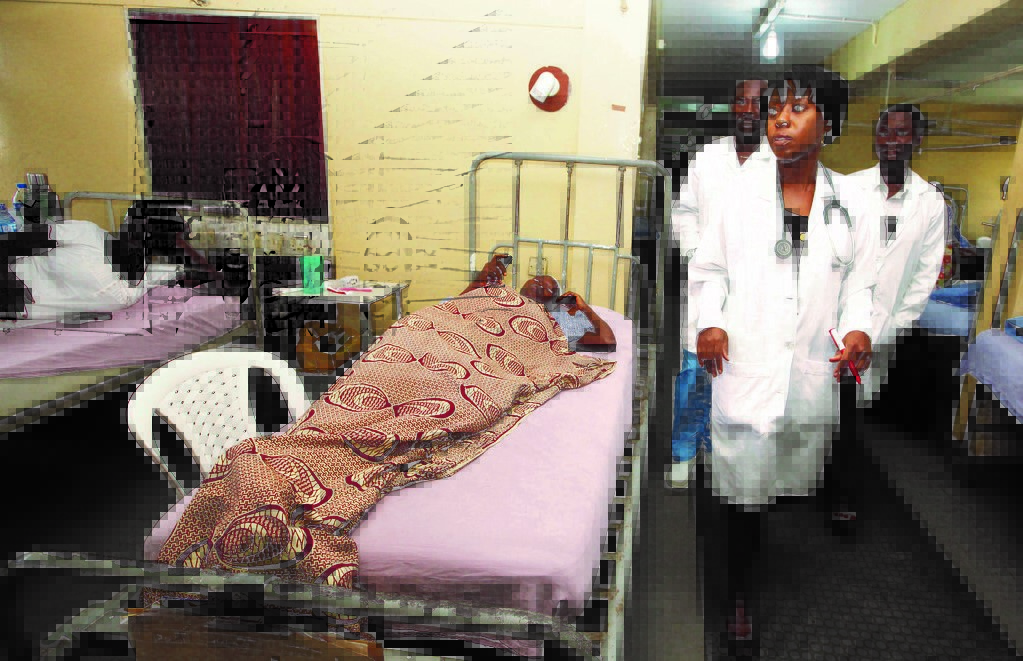
Gender-Supportive Supervision in Nigeria
SHOPS Plus implemented a gender-transformative supportive supervision activity in Nigeria. Their goal? Improve performance, retention, and gender equity for voluntary family planning providers.

Introducing a Curated Collection: COVID-19 and Voluntary Family Planning Resources
Too much information can be almost as bad as too little. That's why we've collected the best resources on voluntary family planning during COVID-19—all in one convenient place.

Recap of Webinar on “Reimagining Method Choice in the Era of Self-Care”
On September 17, the Method Choice Community of Practice, led by the Evidence to Action (E2A) Project, hosted a webinar on the intersection of two important voluntary family planning areas—method choice and self-care. Missed this webinar? Read on for a recap, and follow the links below to watch the recording.

Senegal: A Leader in Access to FP/RH Care During COVID-19
COVID-19 is demonstrating the impact of epidemics on the continuity of care provision, particularly for FP/RH. This is why, in addition to the measures taken to fight COVID-19, we realized the importance of carrying out parallel actions that guarantee the availability and continuity of essential RMNCAH services.