


Addressing Obstacles to Contraceptive Continuation Among Young People
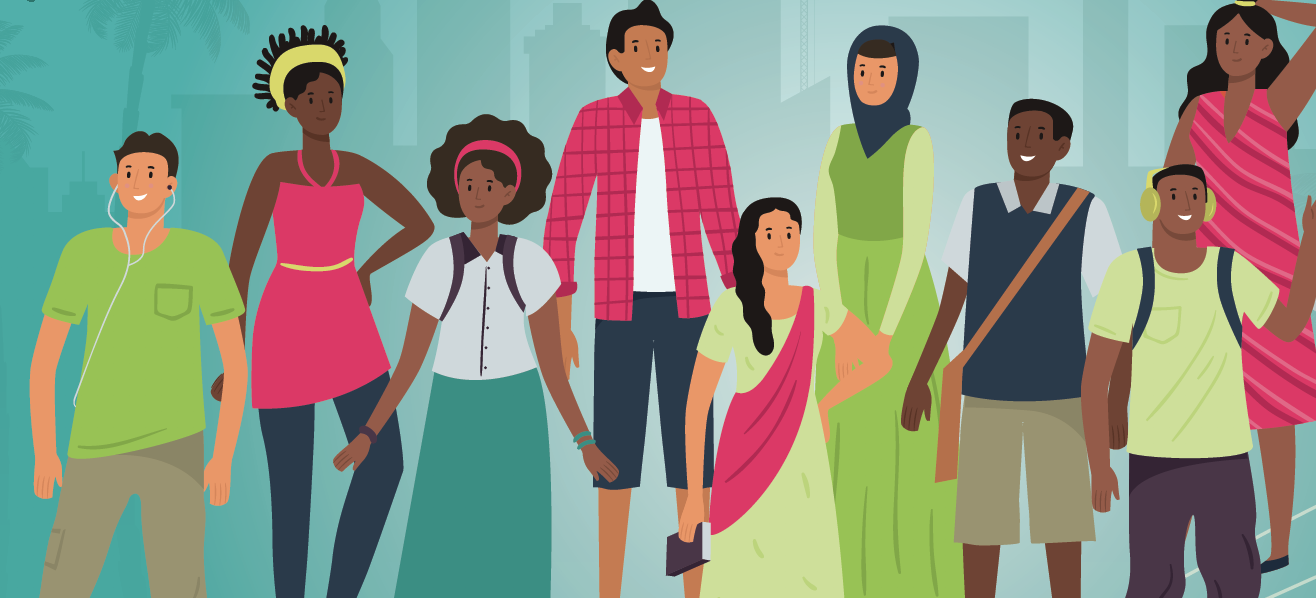
Addressing obstacles to contraceptive continuation: The PACE project’s policy brief, Best Practices for Sustaining Youth Contraceptive Use, explores the unique patterns and drivers of contraceptive discontinuation among youth based on a new analysis of Demographic and Health Survey and Service Provision Assessment data. Key findings and recommendations include policy and program strategies to address obstacles to

Leaving No One Behind in Family Planning
Although there are more than 60 million additional users of modern contraception in the FP2020 focus countries as compared to 2012, our agenda remains unfinished, with quality family planning information and services not yet reaching many of those with the greatest need. To reach women, girls, and their partners equitably, we need to know who faces
Time to Tweak Those Training Materials and Service Delivery Guidelines!
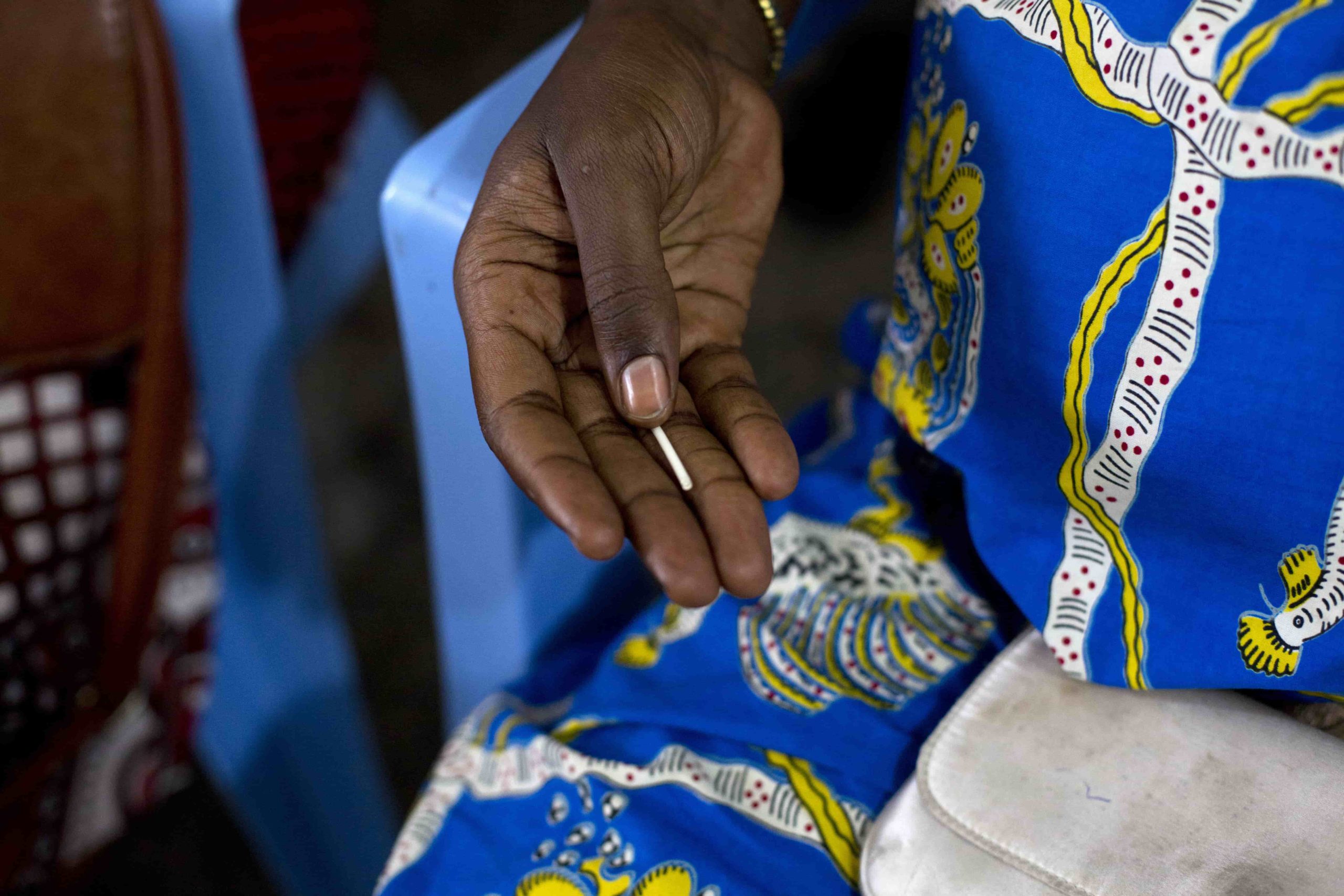
Program managers and healthcare providers who offer the one-rod contraceptive implant, Implanon NXT, should be aware of recent updates that affect the product’s administration. This change is in-process around the world, including countries where Implanon NXT is available at the reduced, market access, price.
A Closer Look at Community Health and Family Planning in Action
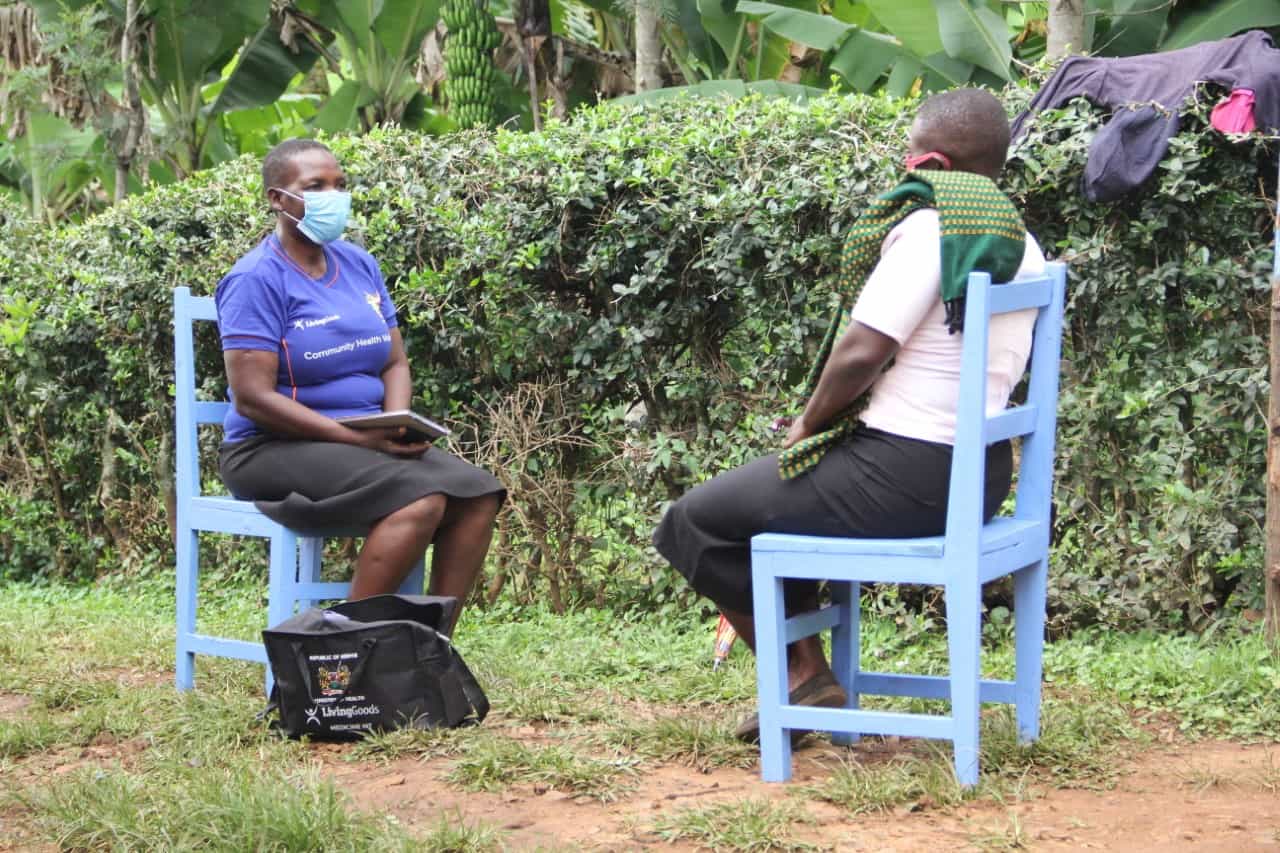
The Knowledge SUCCESS East African team engaged its partners at Living Goods East Africa (Kenya and Uganda) for an in-depth discussion on their community health strategy for implementing programs and how innovations are essential towards enhancing global development.

Expériences de Mise En Œuvre de l’Auto-Injection du DMPA-SC Pendant COVID-19 dans quatre pays Francophones
Recapulatif du webinaire sur les approches à haut impact pour l’introduction et le passage à l’échelle de l'utilisation de la contraception auto-injectable.

The Epidemic Within an Epidemic
In October 2020, staff at the Johns Hopkins Center for Communication Programs (CCP) noticed a change in the search patterns bringing people to the Knowledge SUCCESS website. “What is the advocacy message of family planning” had moved up the charts, with a nearly 900% increase over the previous month. 99% of those queries originated in the

Responsive Systems Meet Adolescent Reproductive Health Needs
There is increasing consensus that adolescent-friendly health services—as currently implemented—are not consistently scalable nor sustainable. In an adolescent-responsive system, each building block of the health system—including public and private sectors and communities—respond to adolescent health needs.
Universal Health Coverage: Not Without Family Planning
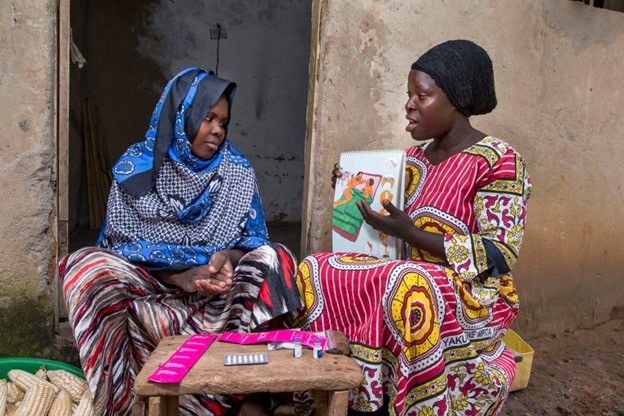
Universal health coverage (UHC) characterizes an ideal where all people have access to the health services they need, when and where they need them, without financial hardship. In the same way that the long-term consequences of the COVID-19 pandemic will place a heavy burden on health systems, so too will the lack of reproductive health care.
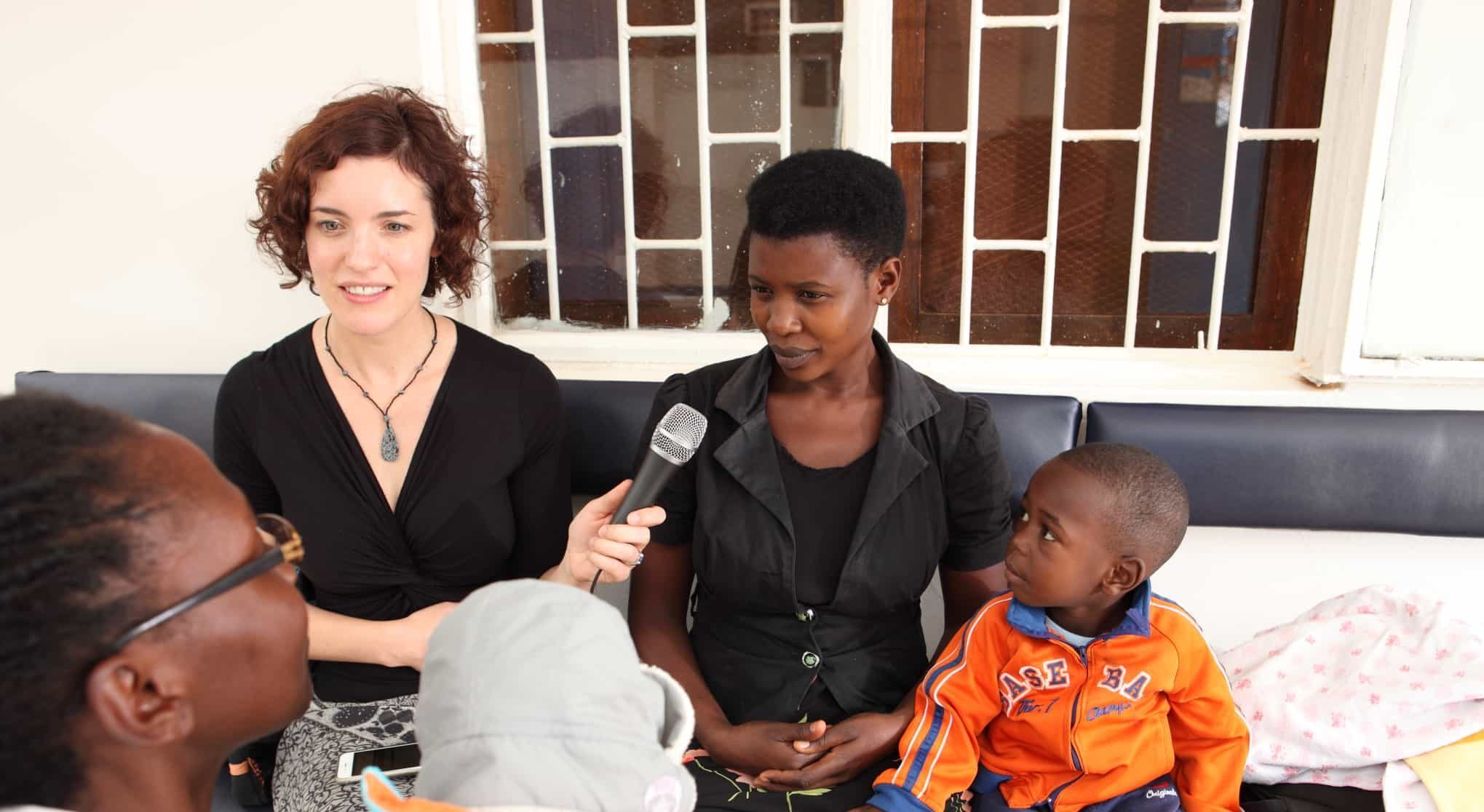
Reflecting on the Impact of Family Planning Voices
Family Planning Voices became a global storytelling movement within the family planning community when it launched in 2015. One of its founding team members reflects on the initiative's impact and shares tips for those interested in starting a similar project.
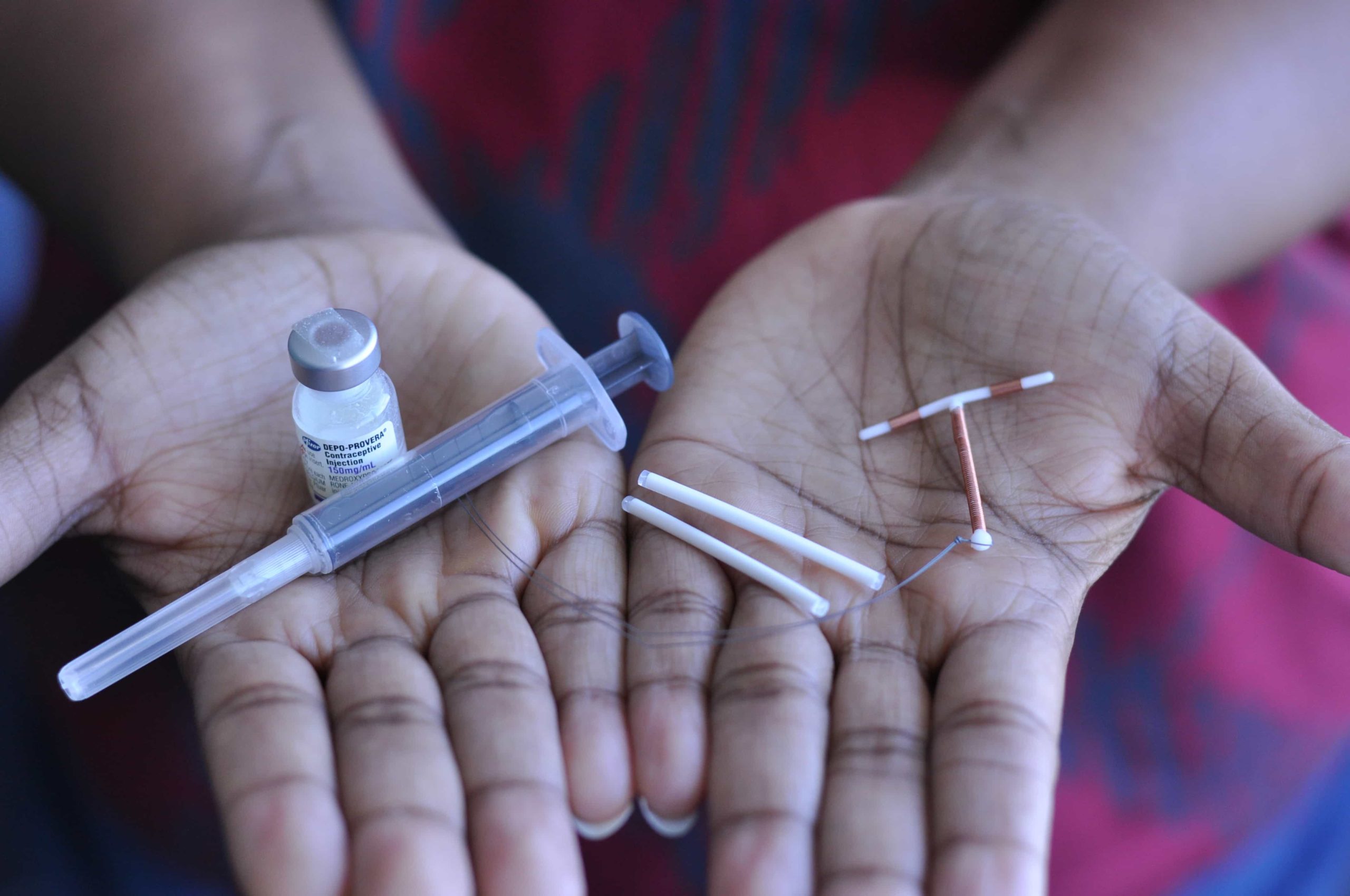
Unfinished Business for Access to Contraception and HIV Prevention
Findings from the ECHO trial led to an increased focus in HIV prevention in family planning programs. Here's what else needs to happen in the COVID-19 context.