


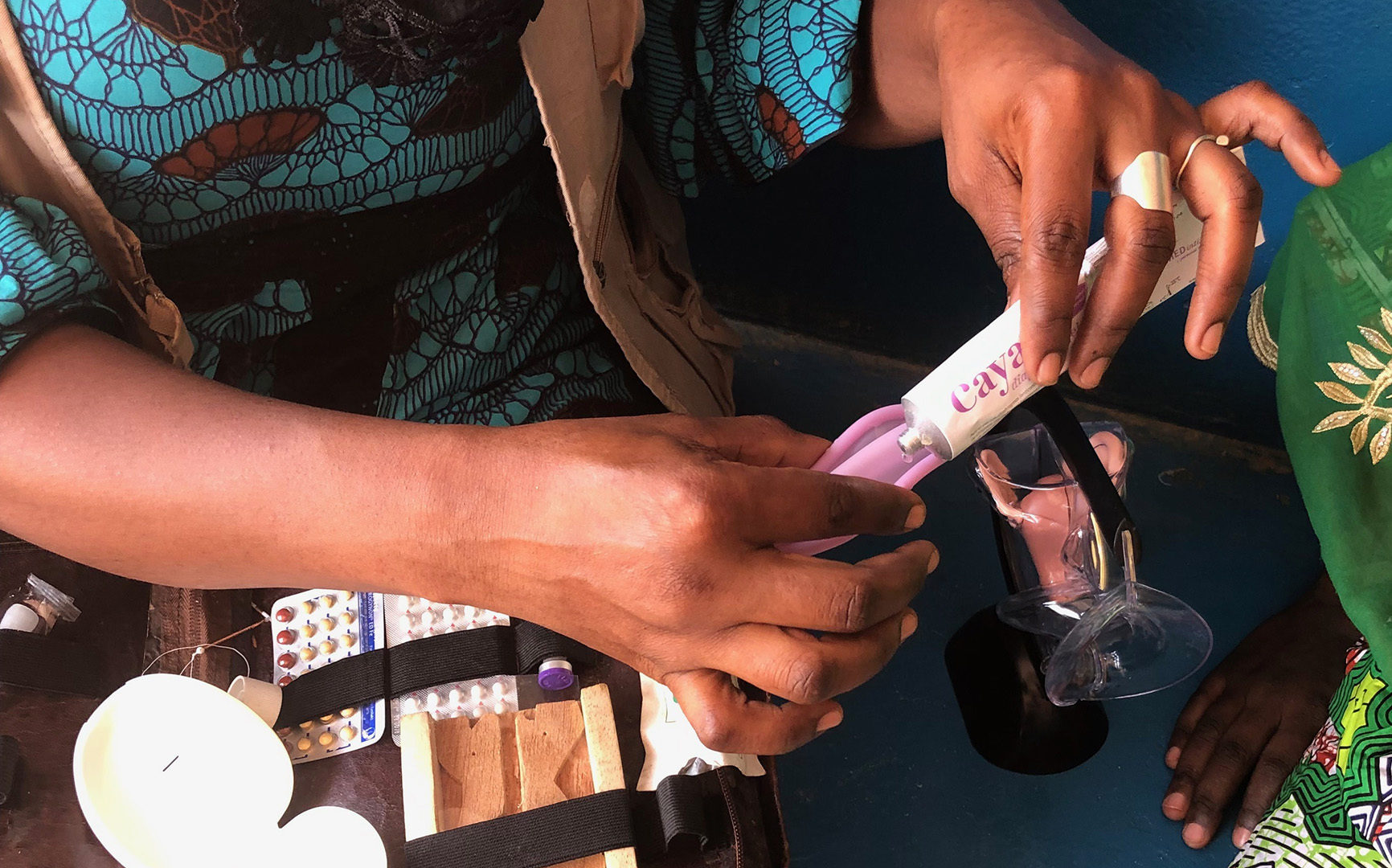
Introducing 20 Essential Resources: Contraceptive Product Introduction
The Expanding Effective Contraceptive Options (EECO) project is delighted to partner with Knowledge SUCCESS to bring you this curated collection of resources to guide the introduction of new contraceptive products.

The Epidemic Within an Epidemic
In October 2020, staff at the Johns Hopkins Center for Communication Programs (CCP) noticed a change in the search patterns bringing people to the Knowledge SUCCESS website. “What is the advocacy message of family planning” had moved up the charts, with a nearly 900% increase over the previous month. 99% of those queries originated in the
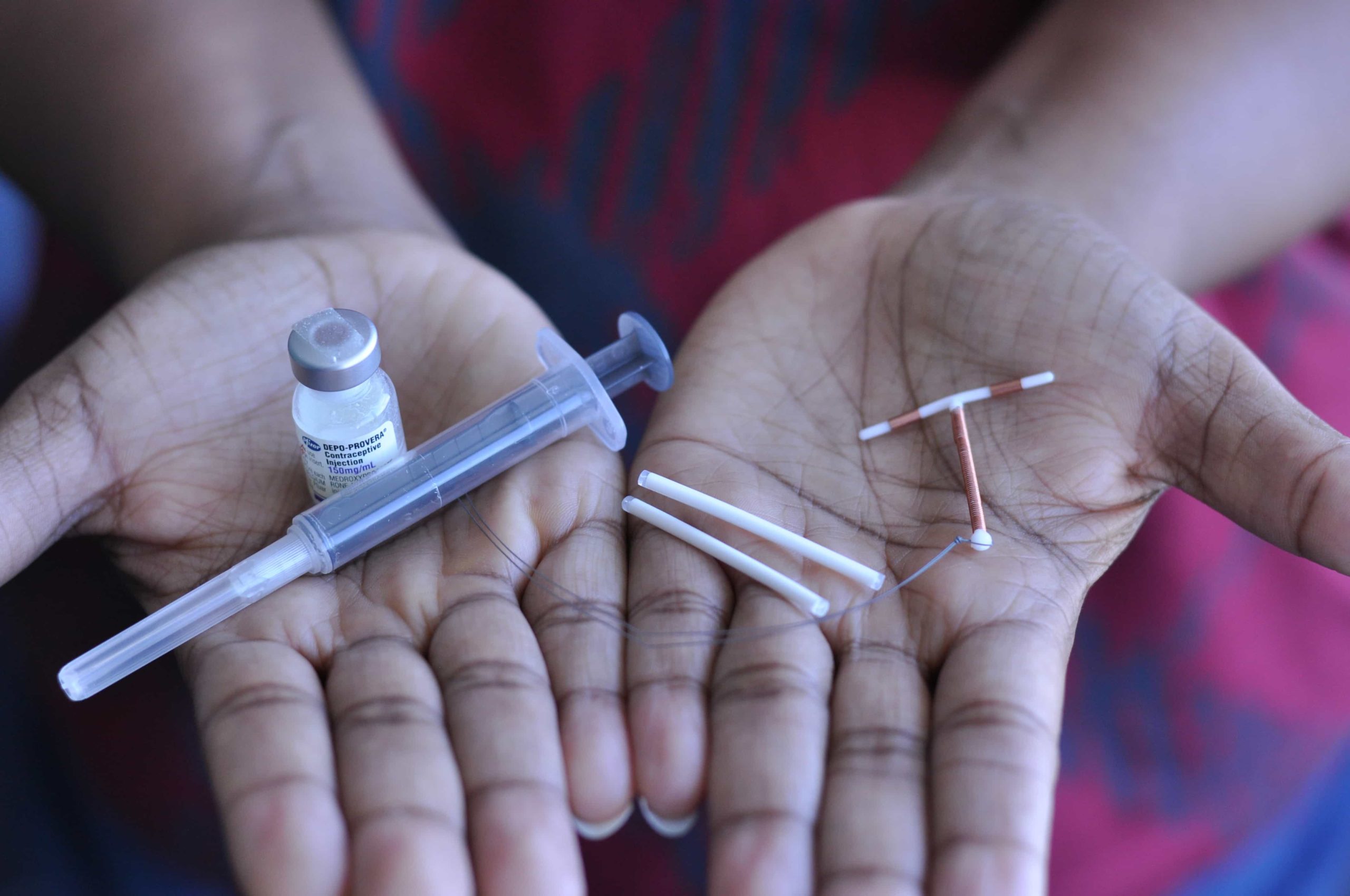
Unfinished Business for Access to Contraception and HIV Prevention
Findings from the ECHO trial led to an increased focus in HIV prevention in family planning programs. Here's what else needs to happen in the COVID-19 context.

Introducing a Must-Have Family Planning Resource Guide to end 2020
Consider this Family Planning Resource Guide your holiday gift guide for voluntary family planning tools and resources.

Recap of Supply Chain Management Webinar
On November 19, the High Impact Practices for Family Planning (HIPs) Network, in collaboration with Family Planning 2020 (FP2020) and IBP Network, hosted a webinar where family planning supply chain experts presented the most important intervention areas and tips from experience.

Introducing a Curated Collection: COVID-19 and Voluntary Family Planning Resources
Too much information can be almost as bad as too little. That's why we've collected the best resources on voluntary family planning during COVID-19—all in one convenient place.

Five Market Indicators that Signal the Hormonal IUS Will Take Off
The hormonal Intrauterine System (IUS), also known as the LNG-IUS, is a highly effective long-acting reversible contraceptive (LARC) method. PSI shares five market indicators that suggest the hormonal IUS access will take off this decade, becoming a standard part of the contraceptive method mix in the many countries where it has previously been out of reach
Visualizing Family Planning Market Scenarios
When public health officials make decisions, they are faced with competing demands on financial resources, conflicting interests, and the imperative to meet national health goals. Decision-makers need tools to help them establish a healthy market, particularly in resource-constrained settings. SHOPS Plus found this to be the case in a recent activity in Tanzania, where their ultimate

Sustaining Access to Voluntary Reproductive Health Care in East Africa
Youth and adolescents need special consideration. This article articulates the important role of decision makers and technical advisors in enhancing access to RH services by youth during COVID-19.

COVID-19: What Will the World Look Like Nine Months On?
COVID-19 has upended our lives and, possibly more significantly, many of our assumptions about its impact on the world. Experts in family planning are deeply concerned that interruptions in the contraceptive supply chain may result in a spike in unplanned births over the next six to nine months. And, if that proves to be true, what