



Nepal CRS Company: Pioneering Social Marketing of FP Commodities in Nepal
The private sector in Nepal is an important source of short-acting reversible contraceptives. It represents a critical opportunity to increase contraceptive access and choice. The Government of Nepal (GON) has emphasized the importance of strengthening social marketing and the private sector (National Family Planning Costed Implementation Plan 2015–2020). Nepal CRS Company (CRS) has introduced contraceptive products

Overwhelmed by Health Product Registration? We’re Here to Help!
Regulatory requirements for product registration can be overwhelming. They’re complex, vary by country, and frequently change. We know they’re important (safe medicines, yes!), but what does it actually take to get a product from the manufacturing plant onto the shelves in your local pharmacy? Let’s take a look together.

La Planification Familiale en situation de crise humanitaire
La 10e Réunion Annuelle du Partenariat de Ouagadougou (RAPO) a été placée sous le thème : «Planification Familiale en contexte de crise humanitaire : Préparation, Réponse et Résilience ». La communauté du Partenariat est consciente de l’urgence d’agir, étant donné les répercussions de ces crises sur les droits et les besoins essentiels des communautés. La question

Youth, Faith, and Contraception in Francophone Africa
In francophone Africa, young people ages 15–24 have difficulty accessing quality family planning (FP) information and services. In addition, they have a higher contraceptive discontinuation rate than older women and are particularly sensitive to adverse effects. In March 2022, Population Reference Bureau (PRB) convened a series of four webinars as a follow-up to the dialogue on
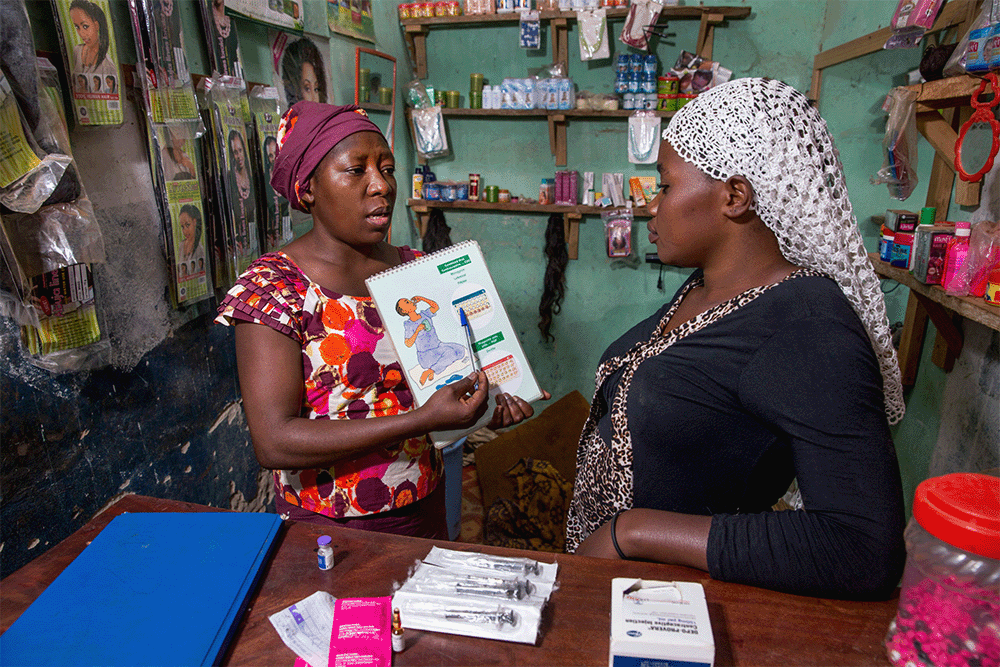
The Drug Shop Operators Handbook
In July 2021, USAID’s Research for Scalable Solutions (R4S) project, led by FHI 360, released the Drug Shop Operators' Provision of Injectable Contraception manual. The handbook shows how drug shop operators can coordinate with the public health system to safely provide an expanded method mix that includes injectables, as well as training for clients on self-injection.

Condoms: A Tried-and-True Family Planning Innovation
Approximately 121 million unintended pregnancies occurred each year between 2015 and 2019. When used correctly, female condoms are 95% effective at preventing pregnancy and sexually transmitted infection. Male (external) condoms provide a nearly impermeable barrier to particles the size of STI pathogens and HIV and are 98% effective at pregnancy prevention when used properly. Condoms remain

Making Gloves, Forceps, and Other Supplies More Than an Afterthought
Massive improvements in our family planning (FP) supply chains in recent years have generated an expanded and more reliable method choice for women and girls around the world. But while we celebrate such success, one nagging issue that warrants attention is the corresponding equipment and consumable supplies, like gloves and forceps, necessary to administer these contraceptives:

Ensuring Access to Menstrual Health Supplies
Earlier this year, the Reproductive Health Supplies Coalition (RHSC) and Mann Global Health published “Landscaping Supply Side Factors to Menstrual Health Access.” This post breaks down the key findings and recommendations in the report. It talks about ways that donors, governments, and others can ensure access to menstrual health supplies for all who need them.
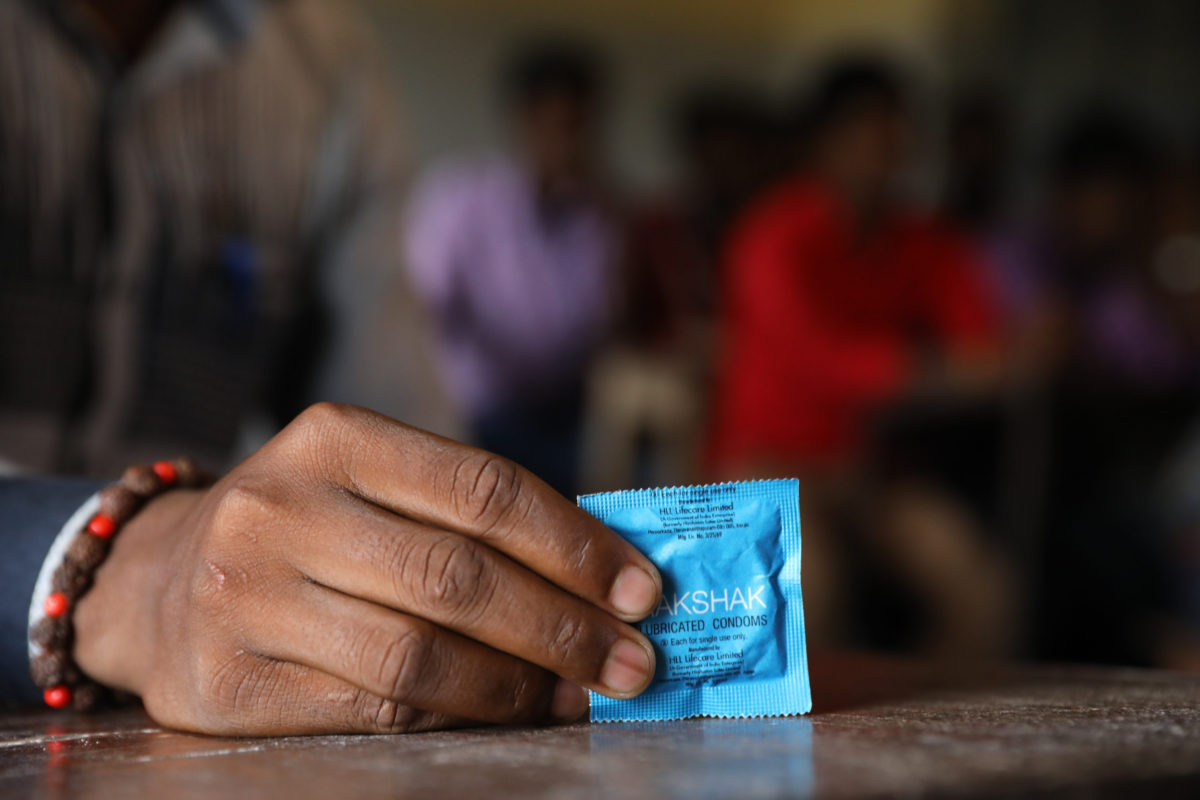
Condoms and Family Planning: 20 Essential Resources
Many people forget the power of condoms as a family planning tool. This collection reminds us how condoms remain relevant even as FP/RH innovations arise.

Three Thoughts for World Contraception Day
September 26 is World Contraception Day, an annual global campaign that aims to raise awareness about contraception and safe sex. This year, the Knowledge SUCCESS team took a more personal approach to honor the day. We asked our staff, What’s the one thing that FP/RH program managers, tech advisors, and/or decision-makers should be thinking about on