


Can Social Listening and Social Media Monitoring Benefit Your SBC Activities?
Social media has increasingly become one of the most popular places for individuals to express their views and engage in conversations about what they see, hear, and believe. There are currently 3.4 billion social media users, a figure projected to increase to 4.4 billion by 2025. This growing popularity means that social media can also be
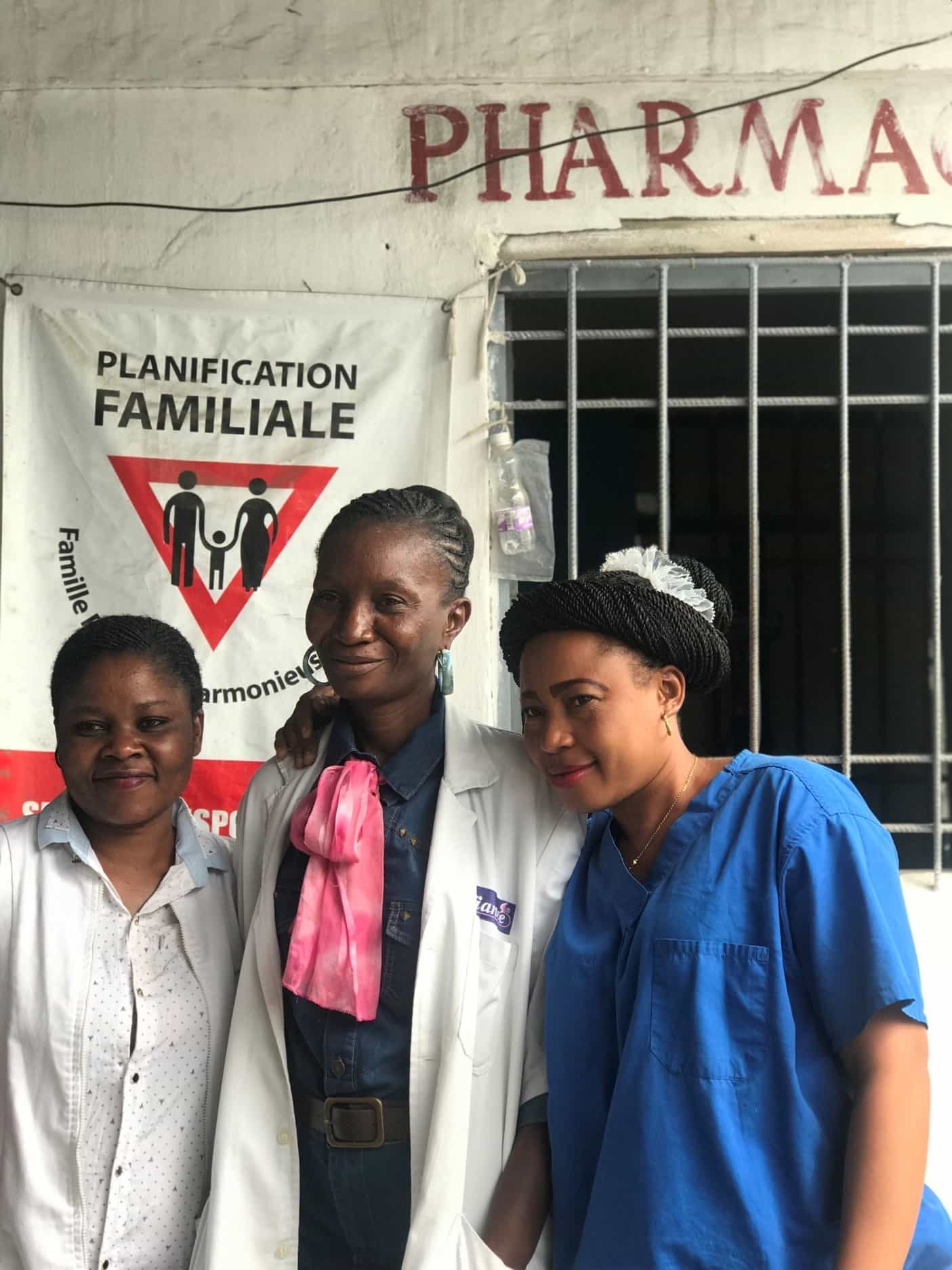
Improving Voluntary Use of Modern Family Planning Through Shifting Norms with Young Couples
In Kinshasa, Democratic Republic of Congo, more than a quarter of women have unmet need for voluntary family planning, affecting both their educational and economic opportunities—and their health. The Masculinité, Famille, et Foi project has sought to shift social norms to support the use of voluntary family planning among young couples in the city.

Top 10 Voluntary Family Planning Articles of 2020
Before this remarkable year ends, we’re taking a look back at the most popular Global Health: Science and Practice Journal (GHSP) articles on voluntary family planning in the last year according to you—our readers—that garnered the most reads, citations, and attention.
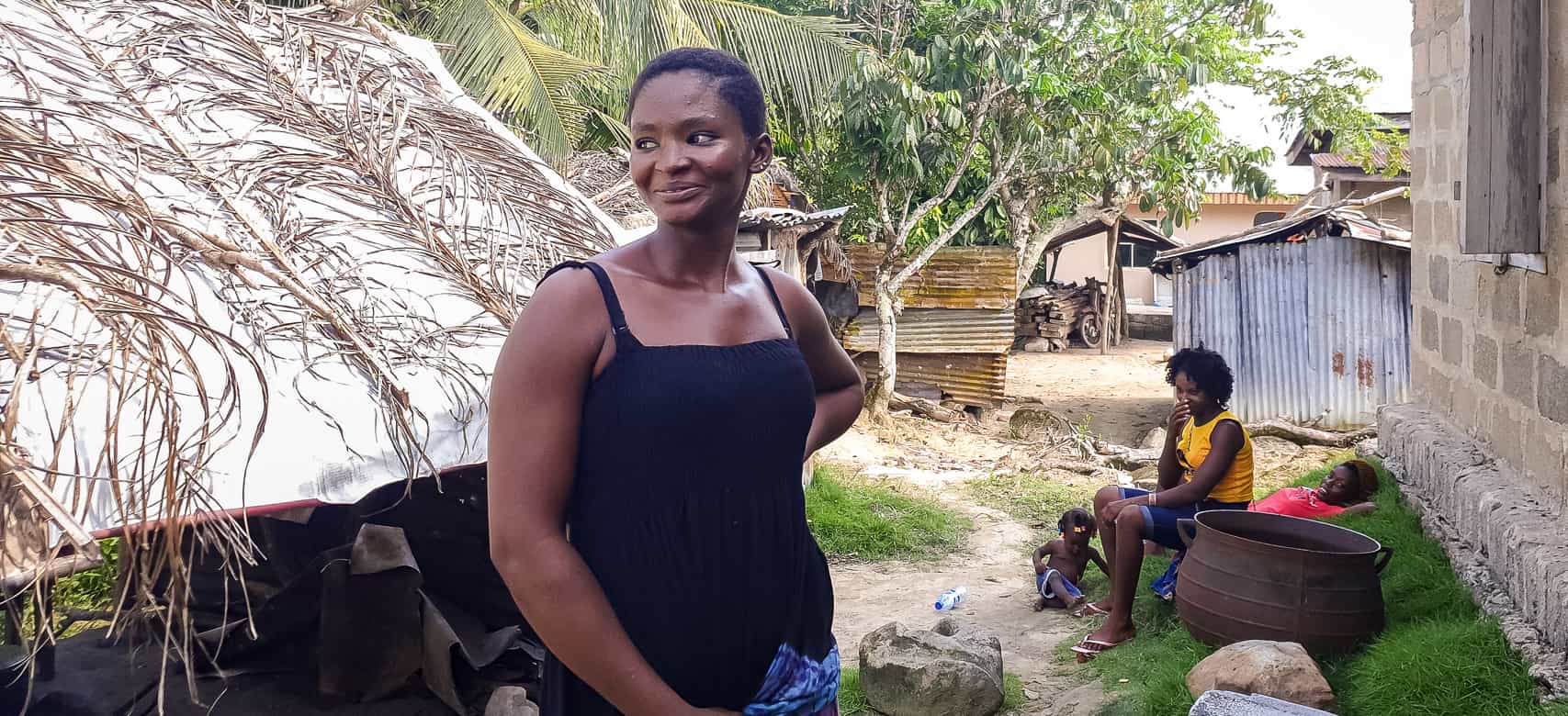
8 Must-See Insights for First-Time Parent Programs
Queen Esther is proud to lead this small peer group, part of a core package of activities for young first-time parents (FTPs) developed by the Evidence to Action (E2A) Project. E2A’s comprehensive first-time parent program model, implemented with dedicated country partners and funding from USAID, is effectively improving health and gender outcomes for this critical population

Is Better Measurement the Key to Increased Investment in Social and Behavior Change for Voluntary Family Planning in Francophone West Africa?
Social and behavior change (SBC) approaches can increase the use of modern contraceptives by addressing the attitudes and social norms that influence demand. However, they often do not receive attention, partly because many practitioners are not effectively measuring their SBC efforts. Breakthrough ACTION interviewed voluntary family planning stakeholders in West Africa to learn why.
Digital Health Compendium: Showcasing Digital Solutions for Family Planning and Reproductive Health
Although investments in digital health solutions for voluntary family planning have expanded exponentially, information on what works (and what does not) has always kept pace. The Digital Health Compendium curates the latest results from projects using digital technology to inform the adoption and scale-up of successful family planning approaches, as well as encouraging learning and adaptation

Program Briefs: Changing Attitudes to Shift Contraceptive Demand
When it comes to family planning and reproductive health (FP/RH) programming, encouraging behavior change starts by understanding what shapes consumer decisions. Because when we truly understand the core attitudes that influence – and at times, limit – how people perceive contraception, we can better design and deliver solutions that serve their needs.

20 Essential FP/RH Resources for Francophone Programs
A collection curated by Knowledge SUCCESS and Family Planning 2020 for family planning professionals who design and implement programs in low- and middle-income French-speaking countries.
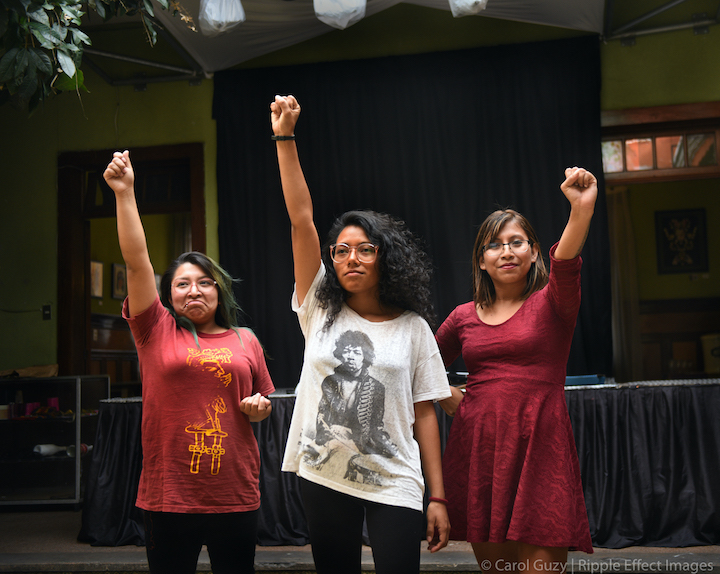
How Do We Mainstream Meaningful Youth Engagement in Family Planning Programs?
Explore key findings from YIELD Project’s report on youth engagement, and learn how to use the results and recommendations to better design and implement youth family planning and reproductive health programs.

Top 5 Family Planning Articles of 2019
These are the top 5 family planning articles of 2019 published in the Global Health: Science and Practice (GHSP) journal, based on readership.