


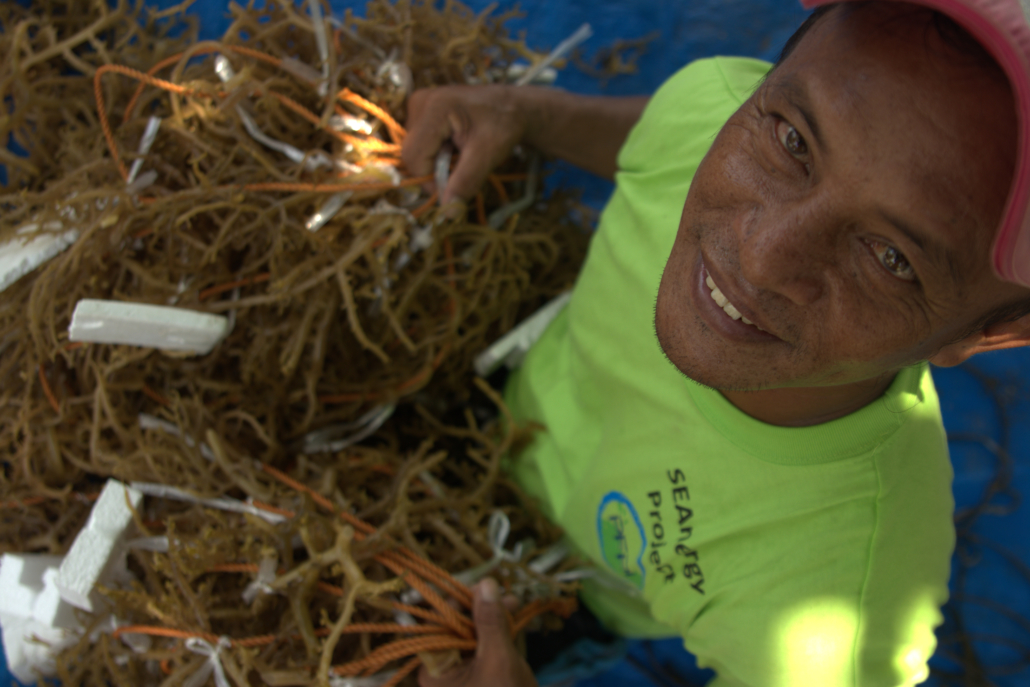
Introducing People-Planet Connection
Today, as we mark the celebration of Earth Day, we are pleased to announce the launch of People-Planet Connection—a new learning and collaborative space co-created by and for global development professionals at the intersections between human population, health, and the environment (PHE). Visit the new space at peopleplanetconnect.org.
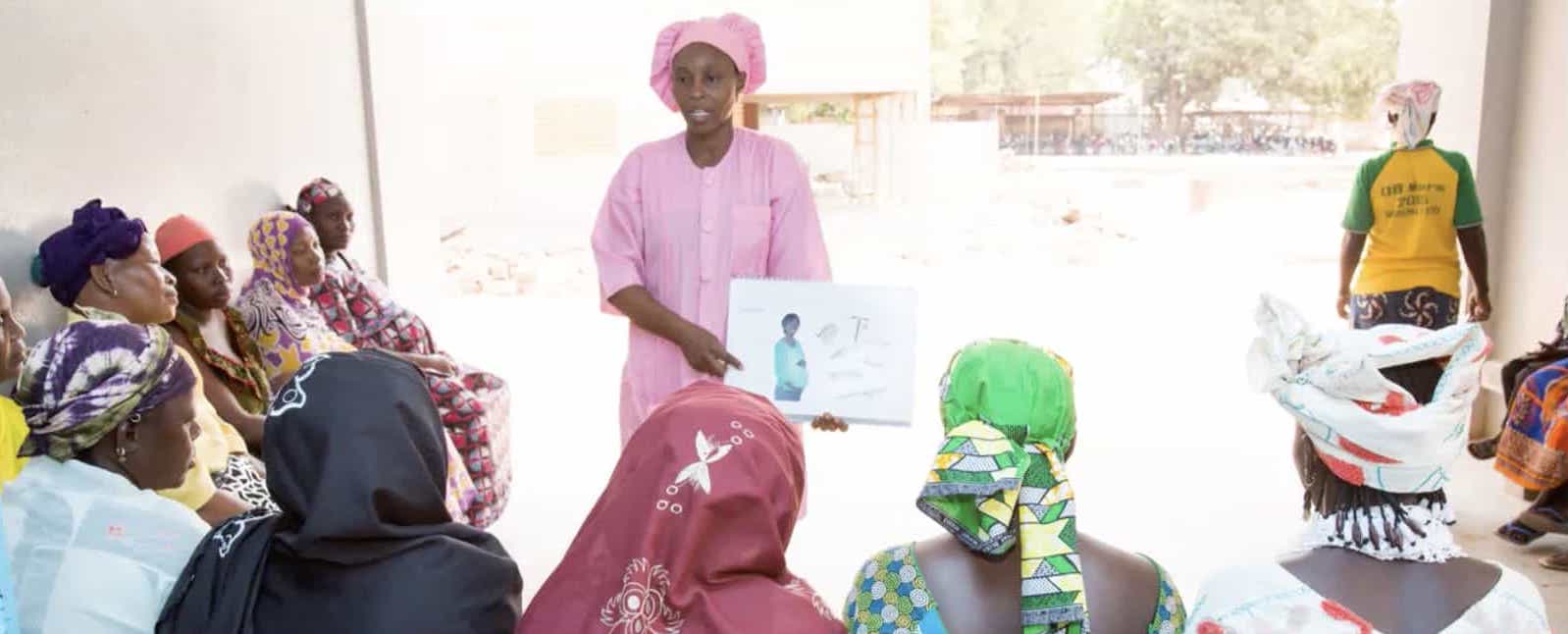
Scale-Up Community of Practice in Transition
In nearly eight years at the helm of the Systematic Approaches to Scale-Up Community of Practice (COP), the Evidence to Action (E2A) Project grew the community from several committed partners in 2012 to nearly 1,200 members worldwide today. With sustained engagement from the U.S. Agency for International Development (USAID), core technical partners and founding members, ExpandNet,

Recap of “Connecting Conversations” Series: Adolescent Responsive Approaches
On March 4, Knowledge SUCCESS & Family Planning 2030 (FP2030) hosted the first session in the third set of conversations in the Connecting Conversations series, One Size Does Not Fit All: Reproductive Health Services Within the Greater Health System Must Respond to Young People’s Diverse Needs.

Spotlight on Couple-Focused Interventions in Family Planning Programs
Evidence to Action (E2A) has been reaching young first-time parents Burkina Faso, Tanzania, and Nigeria in recent years for strengthening family planning and reproductive health service delivery for girls, women, and underserved communities.

Leaving No One Behind in Family Planning
Although there are more than 60 million additional users of modern contraception in the FP2020 focus countries as compared to 2012, our agenda remains unfinished, with quality family planning information and services not yet reaching many of those with the greatest need. To reach women, girls, and their partners equitably, we need to know who faces
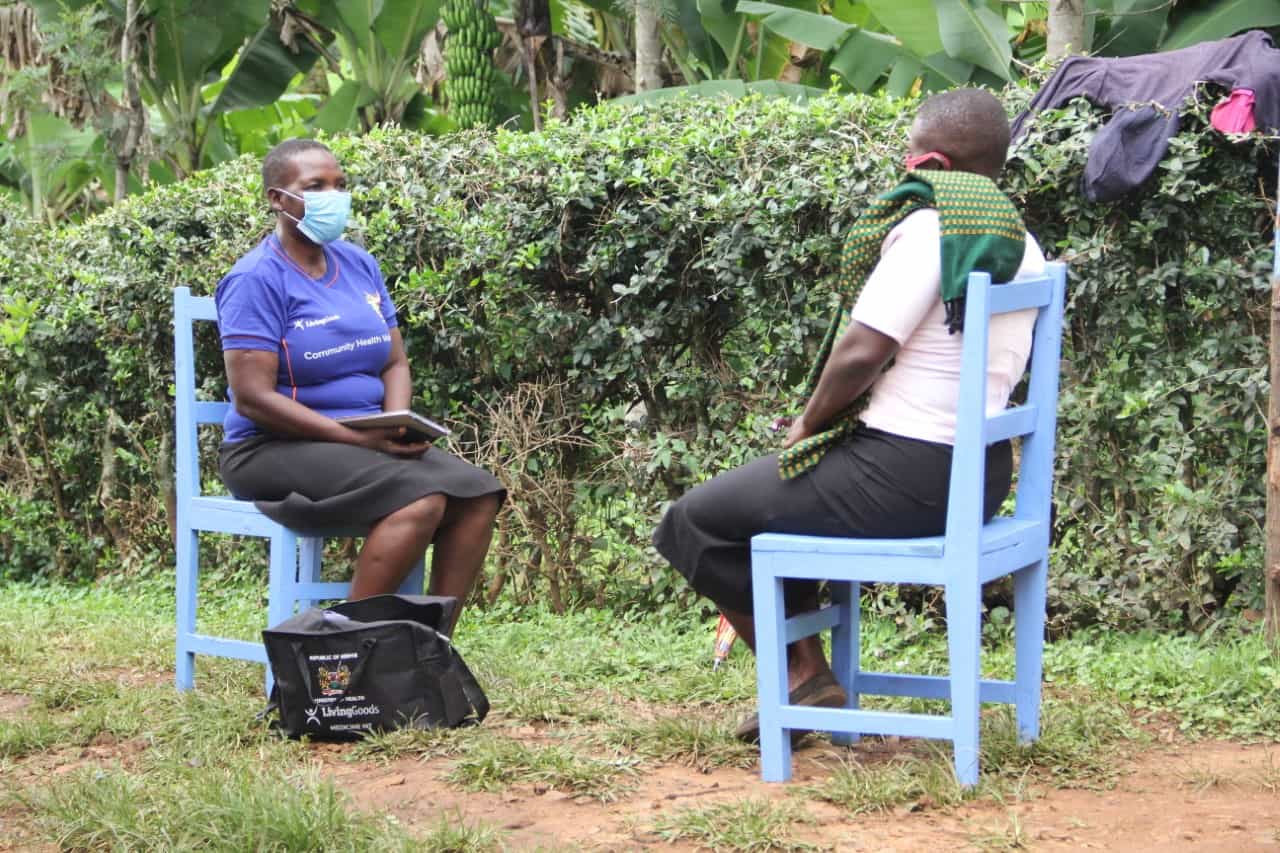
A Closer Look at Community Health and Family Planning in Action
The Knowledge SUCCESS East African team engaged its partners at Living Goods East Africa (Kenya and Uganda) for an in-depth discussion on their community health strategy for implementing programs and how innovations are essential towards enhancing global development.

Responsive Systems Meet Adolescent Reproductive Health Needs
There is increasing consensus that adolescent-friendly health services—as currently implemented—are not consistently scalable nor sustainable. In an adolescent-responsive system, each building block of the health system—including public and private sectors and communities—respond to adolescent health needs.
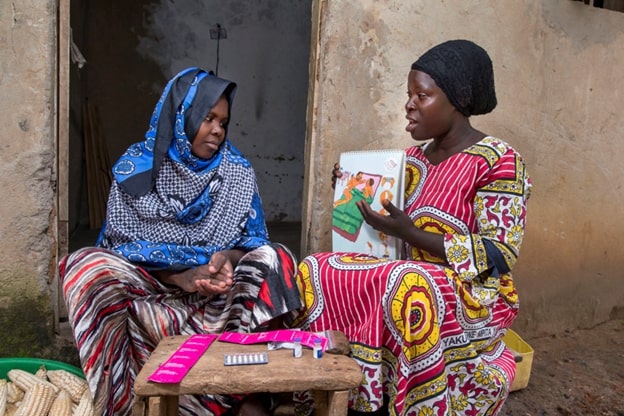
Universal Health Coverage: Not Without Family Planning
Universal health coverage (UHC) characterizes an ideal where all people have access to the health services they need, when and where they need them, without financial hardship. In the same way that the long-term consequences of the COVID-19 pandemic will place a heavy burden on health systems, so too will the lack of reproductive health care.

Digital Health Pilot Project in Uganda Extends the Reach of Family Planning Care in the Community
Community health workers (CHWs) used digital health technology to advance access to family planning care at the community level. CHWs are a critical component of any strategy to bring health services closer to people. The piece calls on policy makers and technical advisors to sustain investments in the digitization of community health programs to reduce unmet
Recap of “Connecting Conversation” Series: Preachers
In need of tips and tricks for improving your faith-based adolescent reproductive health work? Check out this summary of FP2020 and Knowledge Success’ recent conversation with experts on this topic!