


Responding to a Crisis within a Crisis
Nigeria has made significant progress in addressing sexual and gender-based violence. COVID-19 will set us back—unless we take action.

Did You Miss FP2020’s Webinar on “Exploring Digital Platforms for Family Planning During COVID-19”?
FP2020's webinar on digital health for family planning during the COVID-19 pandemic brought together presenters from a variety of projects, all of which are leveraging technology to meet the needs of their clients in new ways. Missed the webinar? Our recap is below, and so are links to watch for yourself.
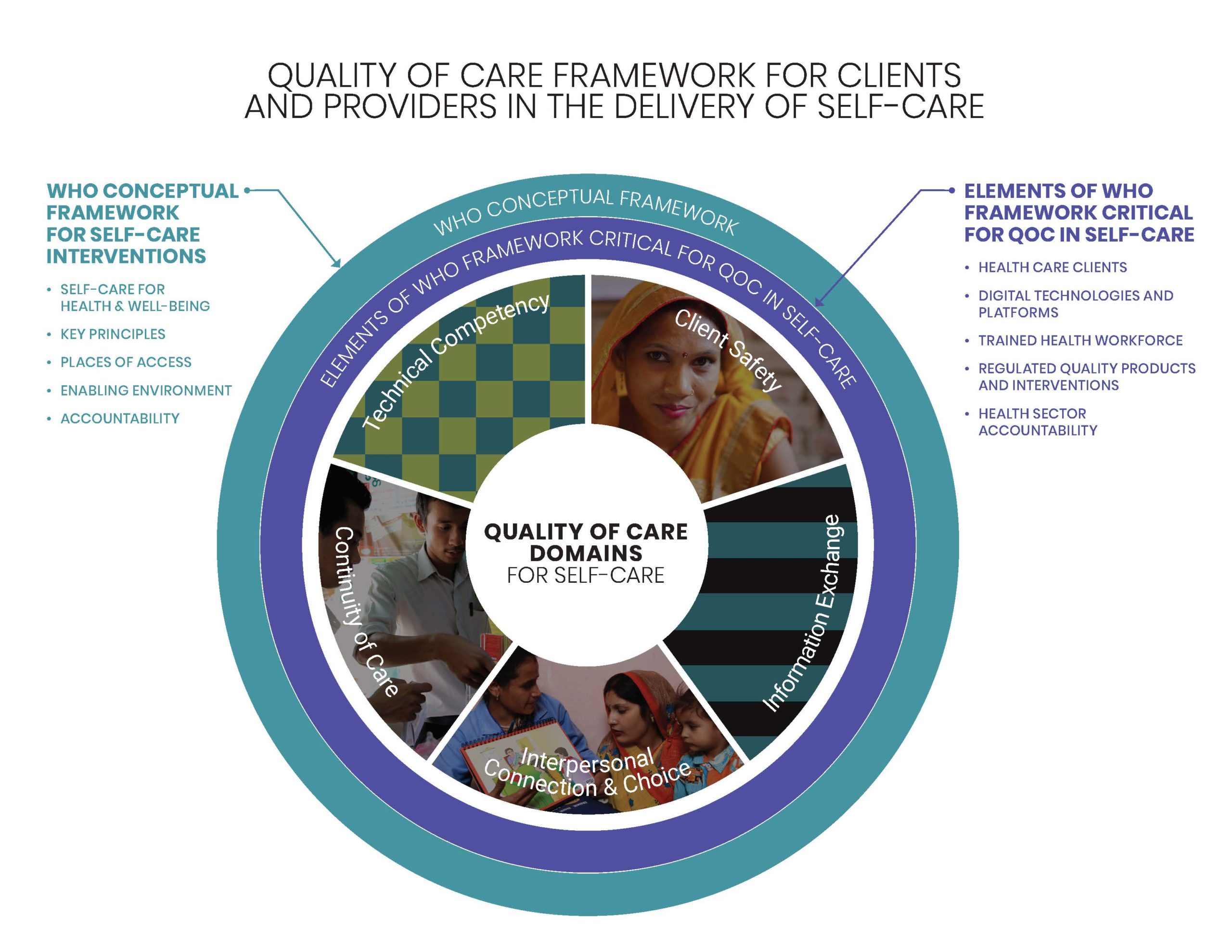
A New Quality of Care Framework to Measure and Respond to People’s Experience with Self-Care
To mark International Self-Care Day, Population Services International and partners under the Self-Care Trailblazers Working Group are sharing a new Quality of Care Framework for Self-Care to help health systems monitor and support clients accessing health care on their own—without hindering clients’ ability to do so. Adapted from the Bruce-Jain family planning quality of care framework,

Reimagining Delivery of Essential Health Care
With the prospect of delivering an effective COVID-19 vaccine ever changing, public health professionals have a responsibility to ensure uninterrupted access to essential health care to women and their families. We must take this opportunity to reinvigorate health systems strengthening efforts that prioritize decentralized, community-based and client-focused mechanisms for accessing health products, services and information.
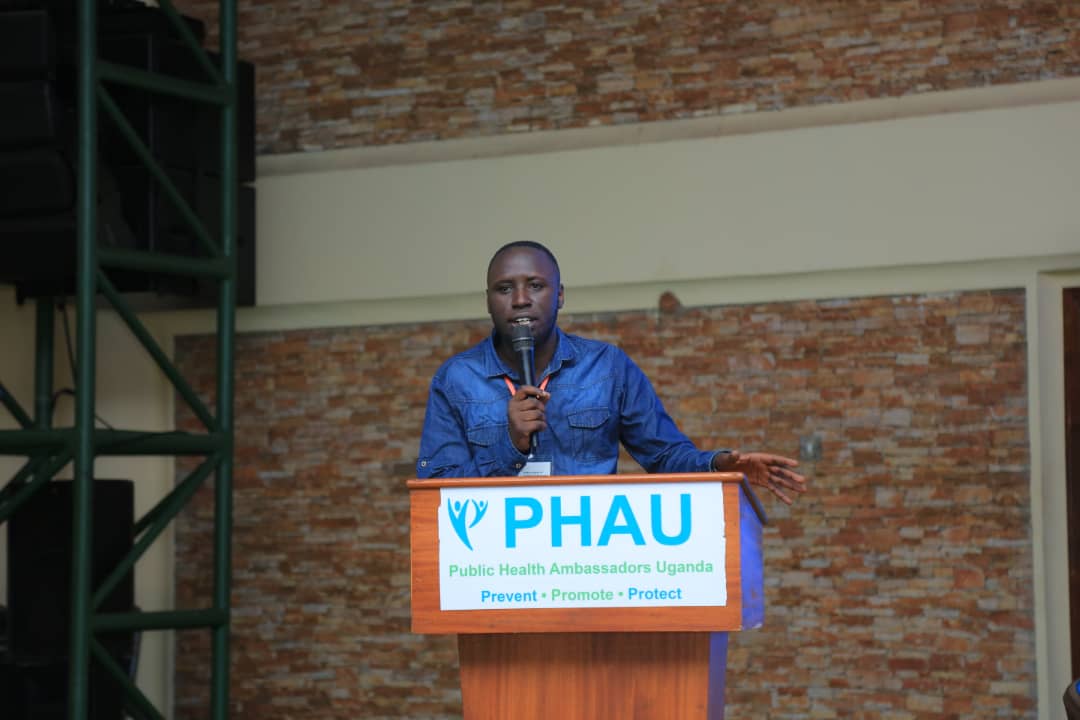
Sustaining Access to Voluntary Reproductive Health Care in East Africa
Youth and adolescents need special consideration. This article articulates the important role of decision makers and technical advisors in enhancing access to RH services by youth during COVID-19.

A Practical Guide for Service Delivery During a Pandemic
Jhpiego's guide synthesizes global recommendations, current best evidence and critical resources and is organized to provide specific guidance by technical area (e.g., family planning/sexual and reproductive health, malaria, tuberculosis).

COVID-19: What Will the World Look Like Nine Months On?
COVID-19 has upended our lives and, possibly more significantly, many of our assumptions about its impact on the world. Experts in family planning are deeply concerned that interruptions in the contraceptive supply chain may result in a spike in unplanned births over the next six to nine months. And, if that proves to be true, what

Monitoring COVID-19’s Effects on Family Planning: What Should We Measure?
On the supply side, we may be able to monitor availability of family counselors and contraceptives to meet needs during the COVID-19 pandemic. But what of the demand side? How can we monitor shifts in women’s family planning needs and preferences in light of the social and economic shocks they are facing due to the pandemic?

Accélération de l’offre de l’auto-prise en charge au temps de COVID-19 : Ce que cela signifie pour aujourd’hui et pour l’avenir.
Comment les mesures d'auto-prise en charge peuvent-elles mieux nous équiper pour lutter contre la pandémie de COVID-19 ? Les contributeurs invités de PSI et Jhpiego offrent un aperçu et des conseils.
Contraception in the Era of COVID-19
How is the COVID-19 global pandemic affecting family planning and reproductive health services? We spoke with authors of a recent GHSP article, which outlines how health care providers can adhere to social distancing guidelines while adapting services to meet clients’ needs.