


Condoms: A Tried-and-True Family Planning Innovation
Approximately 121 million unintended pregnancies occurred each year between 2015 and 2019. When used correctly, female condoms are 95% effective at preventing pregnancy and sexually transmitted infection. Male (external) condoms provide a nearly impermeable barrier to particles the size of STI pathogens and HIV and are 98% effective at pregnancy prevention when used properly. Condoms remain
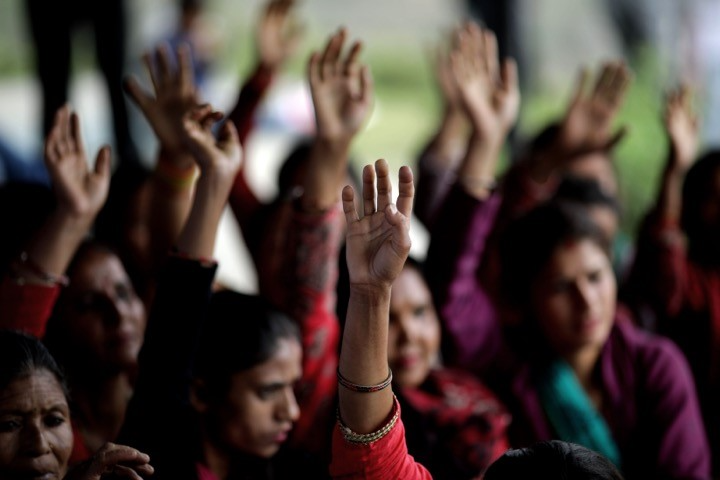
Family Planning Association Nepal Is Leaving No One Behind
Created in 1959, Family Planning Association Nepal (FPAN) is the country’s first national sexual and reproductive health service delivery and advocacy organization. Sixty-three years later, FPAN continues to ensure that family planning (FP) information and services are available and accessible to families—no matter their identity, ability, location, gender, or socioeconomic status.

Religious Leaders: Allies for the Well-Being of Youth and Women
This webinar highlighted the role of religious leaders as important allies in promoting positive social norms for the reproductive health and well-being of young people and women, as well as the importance of partnerships and coalitions in building transformative community dialogue for positive change. It was jointly organized by the Passages Project (Institute for Reproductive Health,
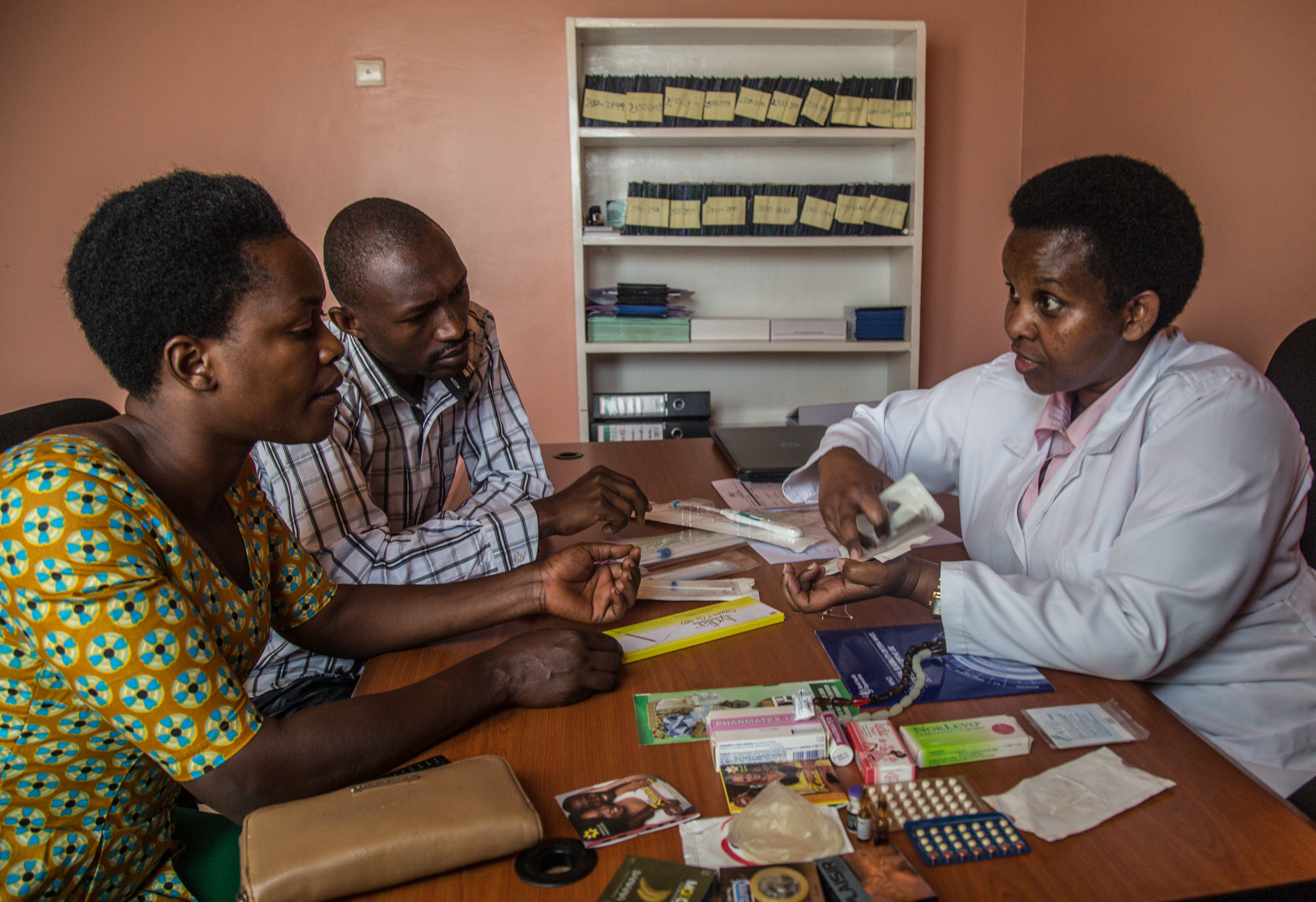
What Impact Do Gender and Power Have on FP Decision-Making?
Analyzing the impact of gender inequities on contraceptive decision-making experiences through the lens of a power framework can provide critical insights. These can give programs a better understanding of how to address barriers to women and girls’ access to and use of contraception.

Season Two of Inside the FP Story Launches
The Inside the FP Story podcast explores the details of family planning programming. Season 2 is brought to you by Knowledge SUCCESS and the World Health Organization (WHO)/IBP Network. It will explore implementation experiences from 15 countries and programs around the world. Over six episodes, you will hear from the authors of a series of implementation

Mental Health Wellness in GBV Prevention and Response
This blog provides an overview of the mental health effects of care work and GBV service provision on health providers, approaches to support self-care and improved health systems, and policy recommendations for the future.

Promoting Maternal Health Care Through Community Sensitization
The role of patriarchy in South Sudan was clear when Maper Village community chiefs and members resisted male midwives being deployed to Aweil Hospital's Maternity Ward. To combat the stigma, the South Sudan Nurses and Midwives Association (SSNAMA) piloted the “Safe Motherhood Campaign” for community engagement. They addressed misconceptions about maternal health care, helping to change
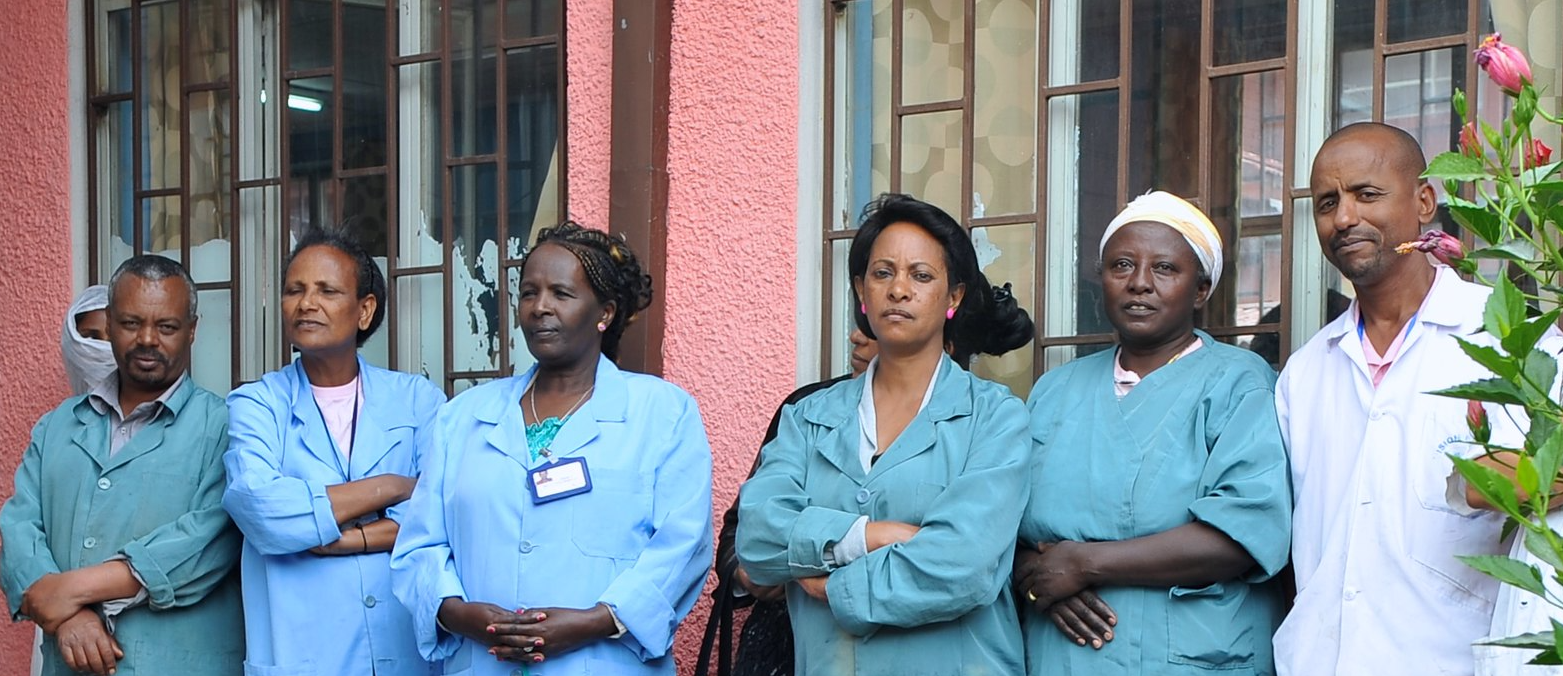
HIV and Contraceptive Service Integration for Female Sex Workers
Key populations, including female sex workers, face barriers to health care access that include stigma, criminalization, and gender-based violence. In many cases, these barriers can be mitigated by peer educators, who bring valuable insight and may engender trust with clients.

Ensuring Access to Menstrual Health Supplies
Earlier this year, the Reproductive Health Supplies Coalition (RHSC) and Mann Global Health published “Landscaping Supply Side Factors to Menstrual Health Access.” This post breaks down the key findings and recommendations in the report. It talks about ways that donors, governments, and others can ensure access to menstrual health supplies for all who need them.

Increasing the Impact of Reproductive Health Programs
This piece summarizes a recent study by the USAID-funded Passages Project exploring social norms impacting the reproductive health of adolescent girls and young women in Burundi. We explore how the research findings can be applied in the design of reproductive health programs to identify and involve key influence groups that influence social norms.