


Spotlight on Couple-Focused Interventions in Family Planning Programs
Evidence to Action (E2A) has been reaching young first-time parents Burkina Faso, Tanzania, and Nigeria in recent years for strengthening family planning and reproductive health service delivery for girls, women, and underserved communities.
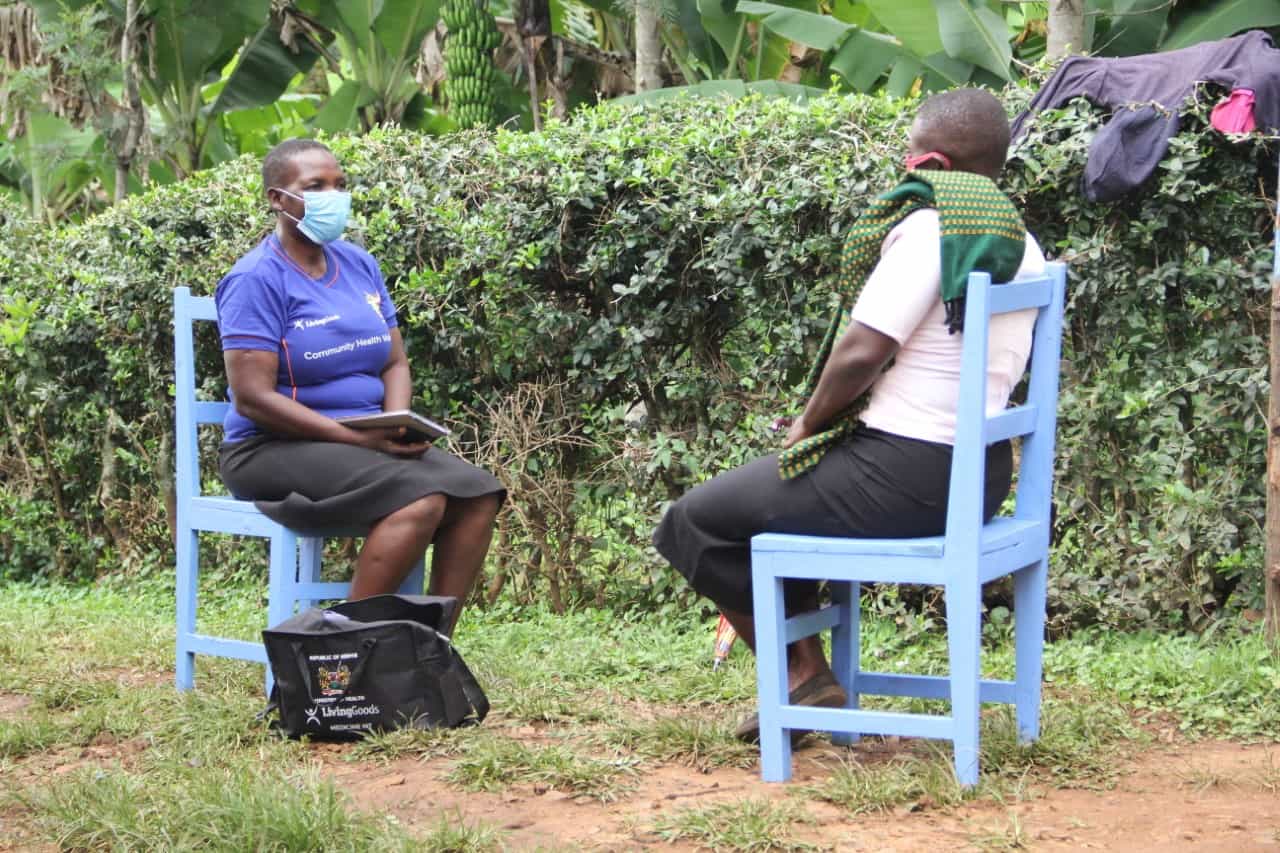
A Closer Look at Community Health and Family Planning in Action
The Knowledge SUCCESS East African team engaged its partners at Living Goods East Africa (Kenya and Uganda) for an in-depth discussion on their community health strategy for implementing programs and how innovations are essential towards enhancing global development.

Digital Health Pilot Project in Uganda Extends the Reach of Family Planning Care in the Community
Community health workers (CHWs) used digital health technology to advance access to family planning care at the community level. CHWs are a critical component of any strategy to bring health services closer to people. The piece calls on policy makers and technical advisors to sustain investments in the digitization of community health programs to reduce unmet

How Are Governments Ensuring that Voluntary Family Planning Remains an “Essential Service” During COVID-19?
In a variety of ways that suit their contexts, countries around the world have adapted international guidance on providing family planning care during the COVID-19 pandemic. Tracking the extent to which these new policies are successful in maintaining women’s access to safe, high-quality care will provide valuable lessons for responses to future public health emergencies.

Young Emanzi: Mentoring Boys and Young Men to Develop Healthy, Gender-Equitable Relationships
FHI 360 developed and implemented a multicomponent mentoring program for ABYM (ages 15–24) called Young Emanzi. The program promotes positive gender norms, gender-equitable and healthy relationships, and economic productivity while also addressing the reproductive health needs of ABYM.

Engaging Drug Shops: Critical to Increasing Family Planning Access
Donors and a small group of implementing partners are working to understand how to best support and involve drug shops as safe and reliable family planning providers. Expanding the broader community of family planning professionals’ understanding of the drug shop operators’ impact is going to be important for ensuring a supportive policy and programmatic environment for

What’s the Potential for Drug Shops to Improve Access to Injectables?
Injectables are the most popular family planning method in Uganda but, until recently, were offered only by community health workers and at health facilities and hospitals. In contrast, the country’s 10,000 drug shops, which provide greater access in hard-to-reach rural areas, were authorized to supply only short-acting, nonprescription methods. FHI 360 supported the government of Uganda

Engaging Men as Partners in Family Planning
Studies have shown that men are highly influential in couples’ decisions about family planning (FP) and that their engagement in FP and other health services can be beneficial to their partners, their children, and themselves. However, in many countries, deeply embedded ideas about appropriate gender roles, as well as myths and misconceptions about FP, create barriers
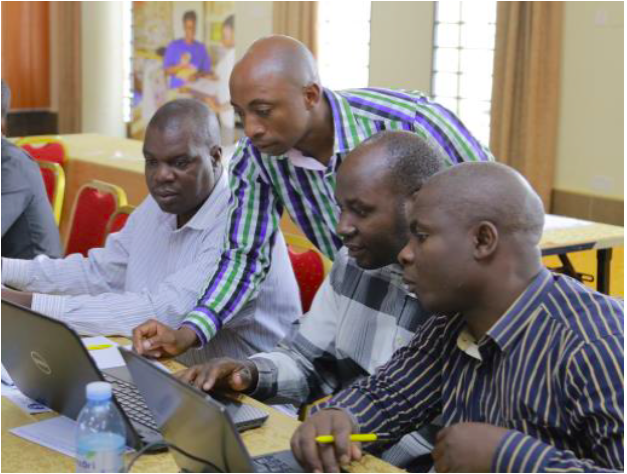
A Multisectoral Approach to Addressing Women’s Barriers to Family Planning: How the APC Project Did It in Uganda
USAID’s Advancing Partners & Communities (APC) project in Uganda implemented a multisectoral approach to family planning. What lessons from APC’s work can be applied to similar future efforts?