


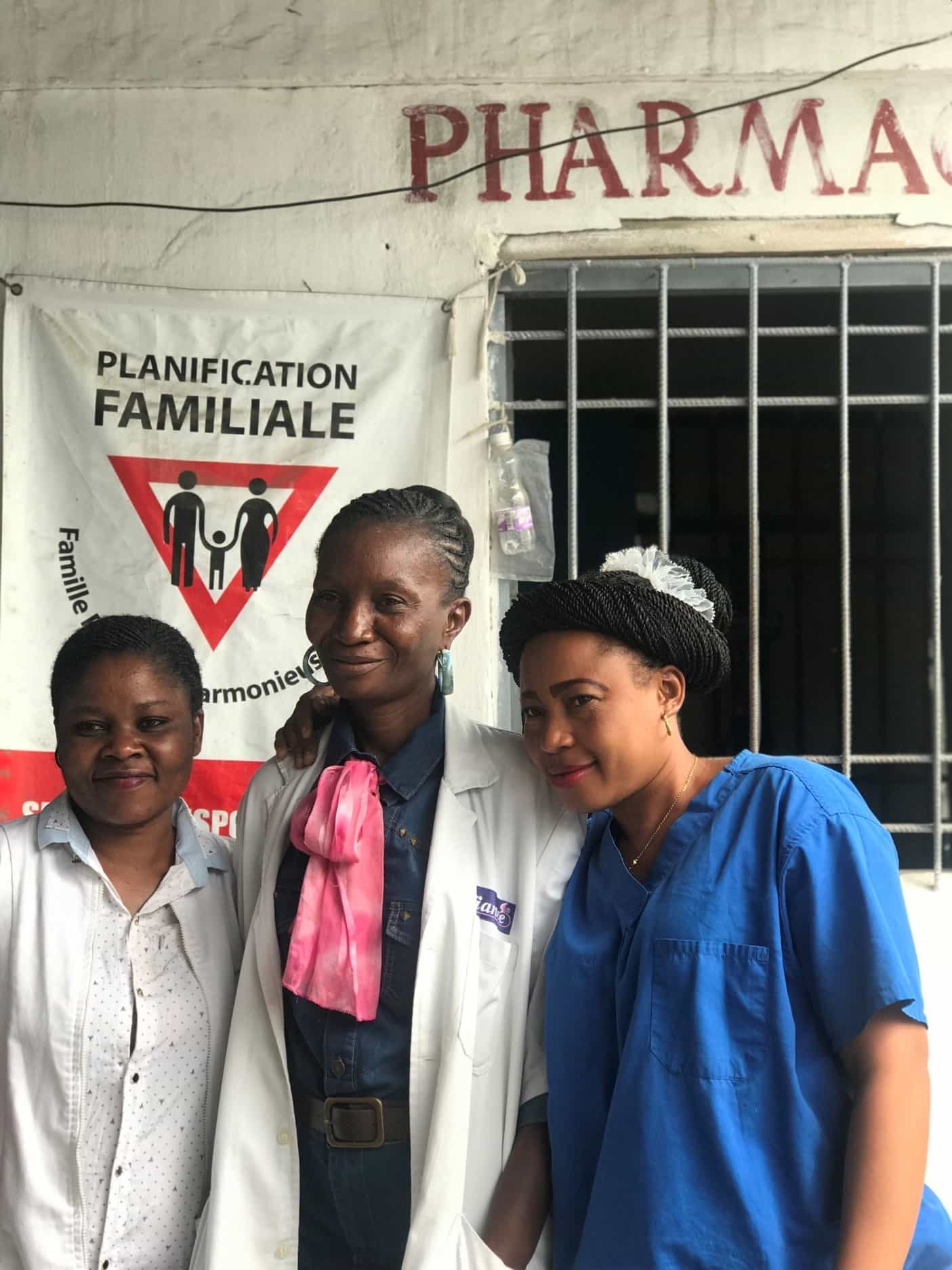
Improving Voluntary Use of Modern Family Planning Through Shifting Norms with Young Couples
In Kinshasa, Democratic Republic of Congo, more than a quarter of women have unmet need for voluntary family planning, affecting both their educational and economic opportunities—and their health. The Masculinité, Famille, et Foi project has sought to shift social norms to support the use of voluntary family planning among young couples in the city.
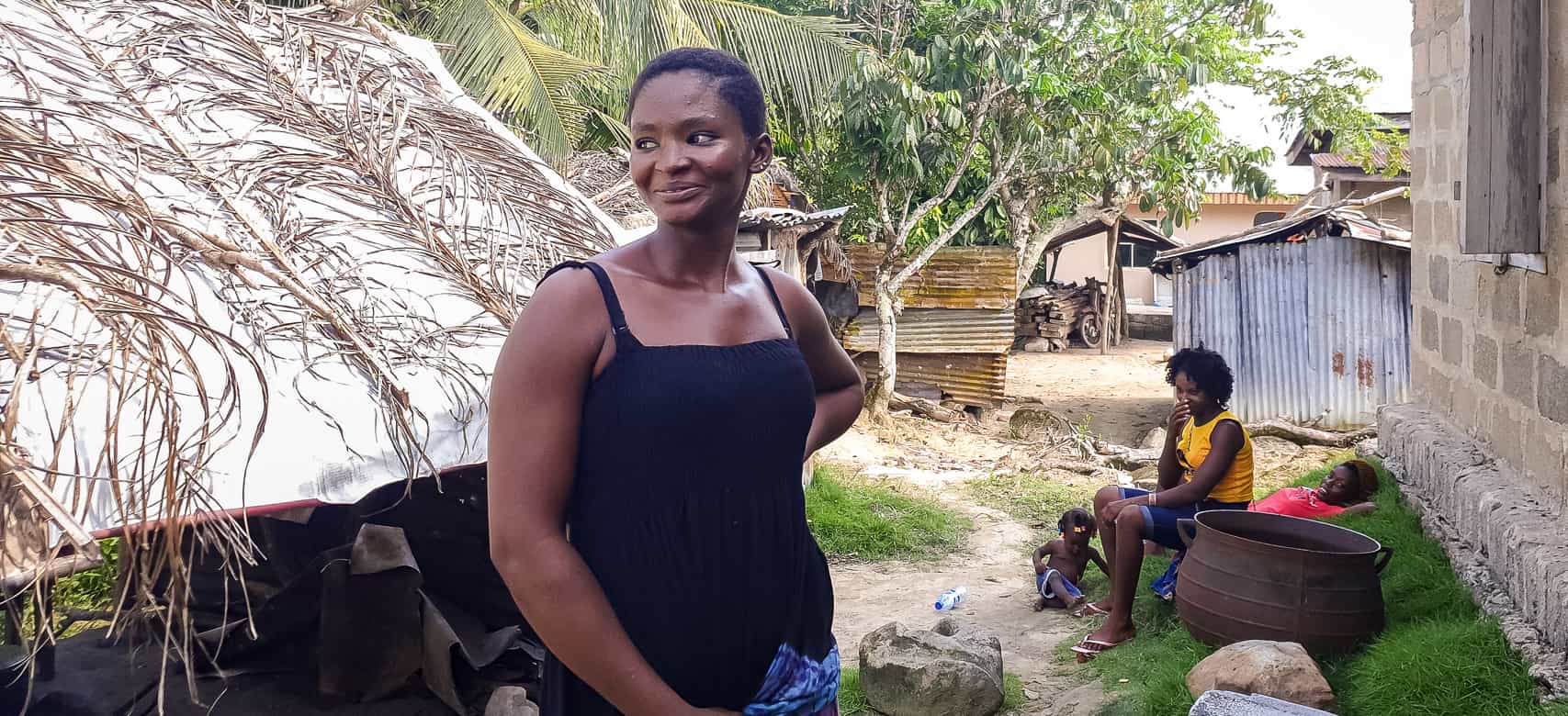
8 Must-See Insights for First-Time Parent Programs
Queen Esther is proud to lead this small peer group, part of a core package of activities for young first-time parents (FTPs) developed by the Evidence to Action (E2A) Project. E2A’s comprehensive first-time parent program model, implemented with dedicated country partners and funding from USAID, is effectively improving health and gender outcomes for this critical population

Recap of Supply Chain Management Webinar
On November 19, the High Impact Practices for Family Planning (HIPs) Network, in collaboration with Family Planning 2020 (FP2020) and IBP Network, hosted a webinar where family planning supply chain experts presented the most important intervention areas and tips from experience.
The Link Between Self-Care and Universal Health Coverage
As governments and global bodies collectively work toward universal health coverage, self-care is an important — if not critical — element. Self-care equips people to act as informed agents of and protect their own health, prevent disease, and treat illness, both with and without the support of a healthcare provider.

Is Better Measurement the Key to Increased Investment in Social and Behavior Change for Voluntary Family Planning in Francophone West Africa?
Social and behavior change (SBC) approaches can increase the use of modern contraceptives by addressing the attitudes and social norms that influence demand. However, they often do not receive attention, partly because many practitioners are not effectively measuring their SBC efforts. Breakthrough ACTION interviewed voluntary family planning stakeholders in West Africa to learn why.
Digital Health Compendium: Showcasing Digital Solutions for Family Planning and Reproductive Health
Although investments in digital health solutions for voluntary family planning have expanded exponentially, information on what works (and what does not) has always kept pace. The Digital Health Compendium curates the latest results from projects using digital technology to inform the adoption and scale-up of successful family planning approaches, as well as encouraging learning and adaptation
20 Essential Resources for Population, Health, and Environment (PHE)
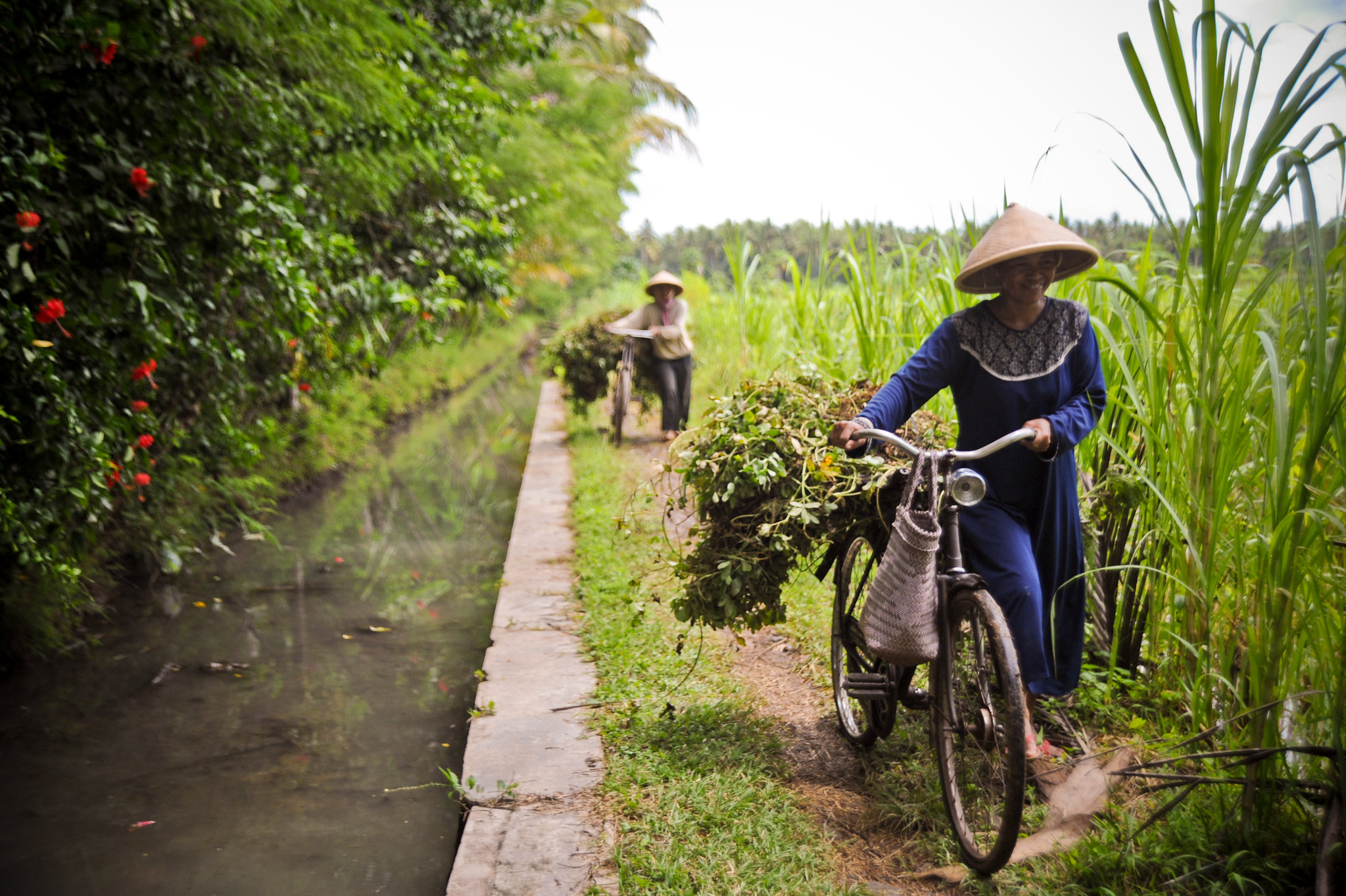
This new collection will provide the population, health, and environment community with quality, easy-to-find resources to foster knowledge exchange.
Gender-Supportive Supervision in Nigeria
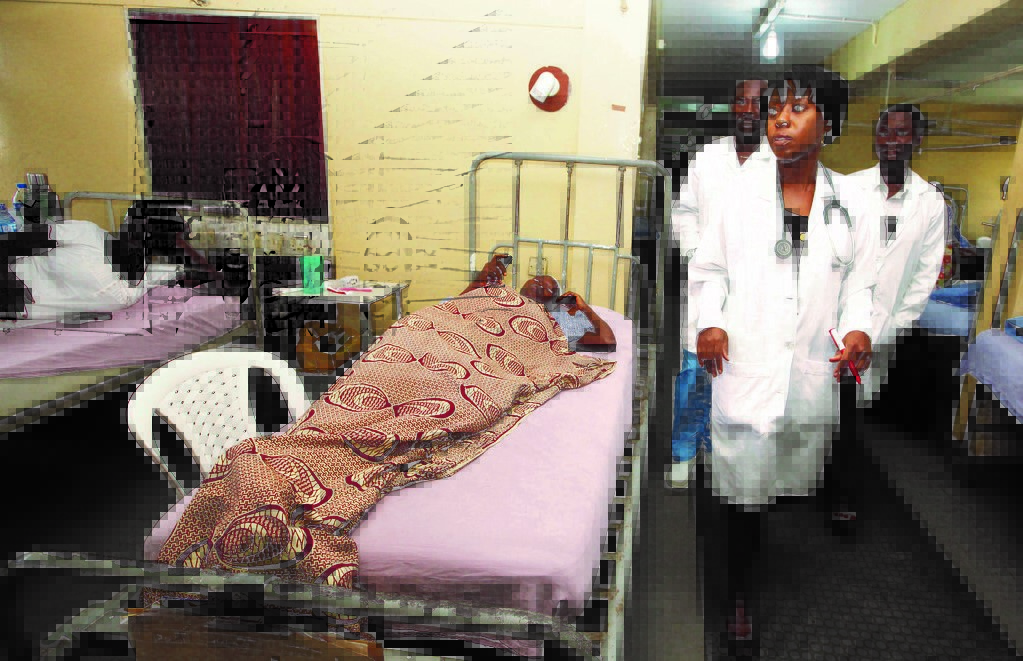
SHOPS Plus implemented a gender-transformative supportive supervision activity in Nigeria. Their goal? Improve performance, retention, and gender equity for voluntary family planning providers.

Recap of Webinar on “Reimagining Method Choice in the Era of Self-Care”
On September 17, the Method Choice Community of Practice, led by the Evidence to Action (E2A) Project, hosted a webinar on the intersection of two important voluntary family planning areas—method choice and self-care. Missed this webinar? Read on for a recap, and follow the links below to watch the recording.
Gender-Based Violence in the Age of COVID-19
The IGWG GBV Task Force reviewed many of the GBV and COVID-19 technical resources delivered to our inboxes over the last few months and asked experts implementing GBV prevention and response activities during the pandemic to share resources they found most useful in their work. They highlight some of their favorites.