


We Are the Same Woman
While quality of care and client-centered approach to care are not new words in the family planning lexicon, they are being used more regularly post-ECHO. Equally important is ensuring that the words "rights-based" are more than aspirational.

Young People Gain from Sharing Family Planning Stories
A new study by the Johns Hopkins Center for Communication Programs finds that storytelling initiatives can motivate and create community and opportunity among young people working in family planning.

Reproductive Health in Humanitarian Settings
During a humanitarian crisis, the need for reproductive health services doesn’t go away. In fact, it increases significantly.

Understanding Provider Bias in Family Planning
This interactive article summarizes the different types of provider bias in family planning services, how widespread provider bias is, and how it can be effectively addressed.
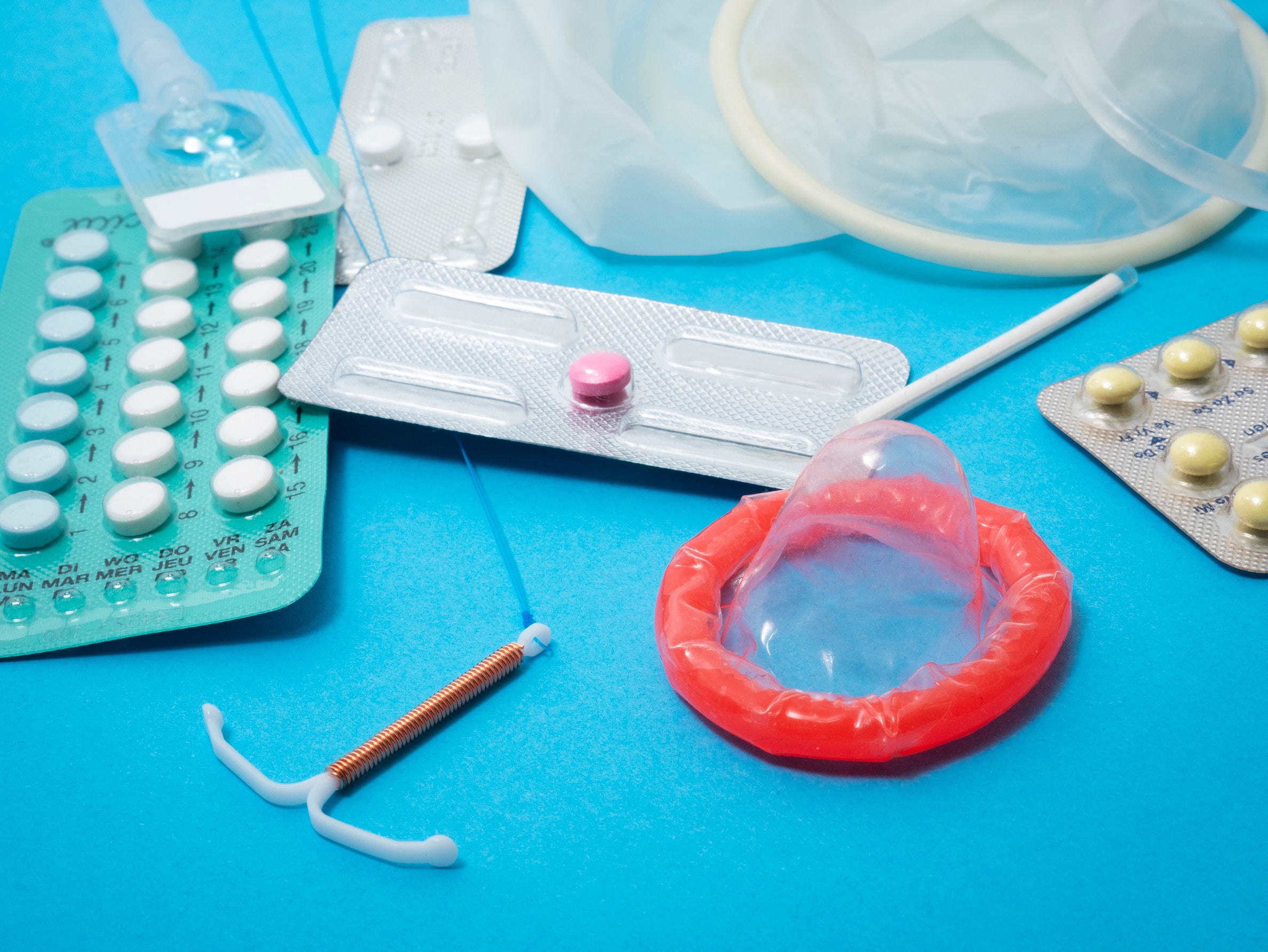
How Can We Ensure Universal Access to Contraceptives?
We can work together to ensure that all women and girls have access to contraceptives. Read RHSC's 4-point plan to learn more.

Ten Defining Family Planning Achievements of the Last Decade
As the decade comes to a close, Knowledge SUCCESS reflects on 10 defining achievements that have shaped and continue to inform family planning programs and services.
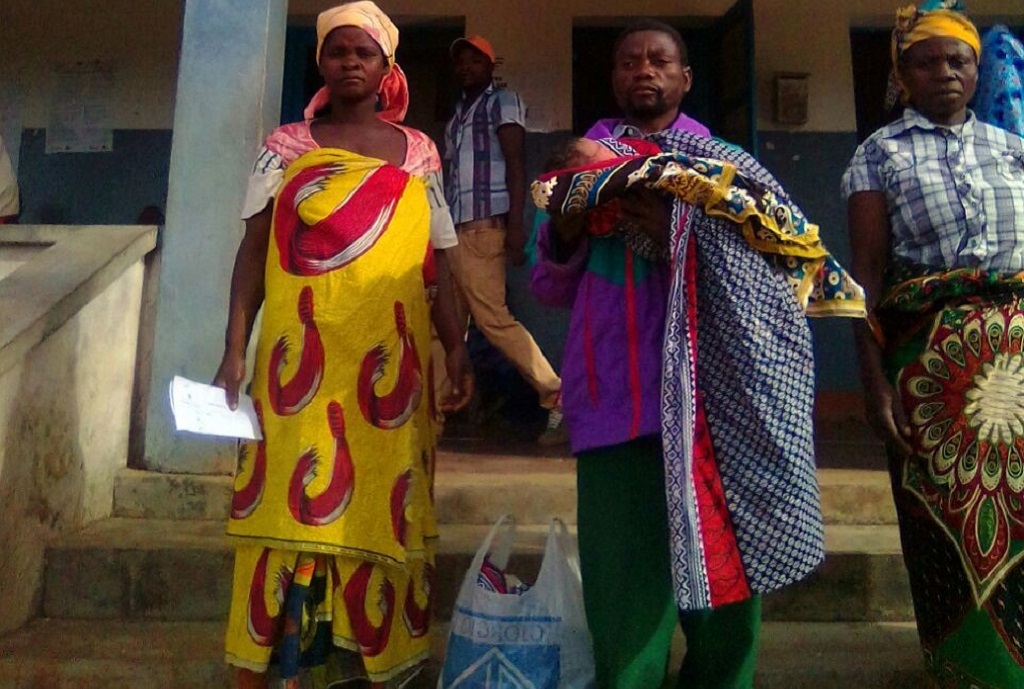
Gender and Family Planning: Lessons from MCSP Mozambique
We explore a study from the USAID-funded Maternal and Child Survival Program (MCSP), and how its findings on gender bias can inform the design of family planning programs.

The Microneedle Contraceptive Patch
The microneedle patch consists of hundreds of tiny needles in a device the size of a coin. A microneedle contraceptive patch is being developed by FHI 360 and other partners.
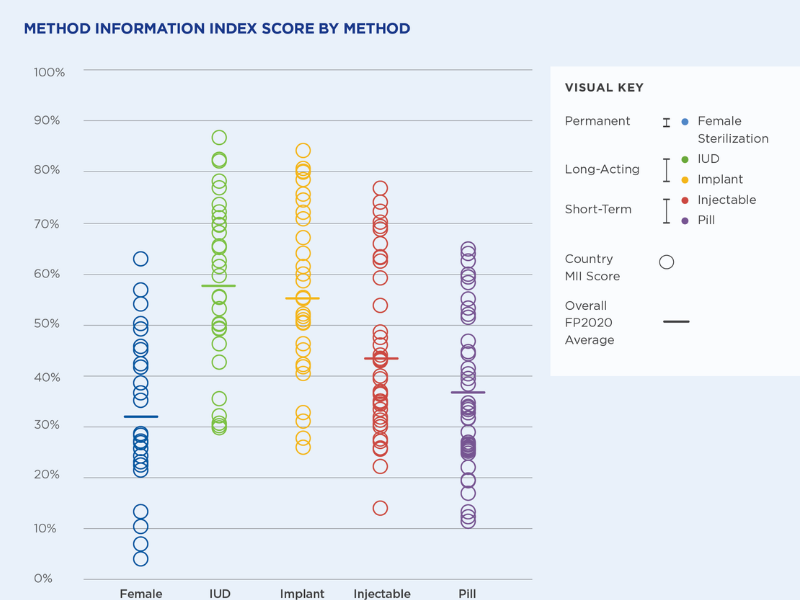
What is the Method Information Index?
Find out what the Method Information Index (MII) is, how it’s different from the MIIplus, and what both can (and can’t) tell us about the quality of reproductive health counseling.