


Recap: Responding to the SRHR Needs of Indigenous Women and Girls
Earlier this year, Communities, Alliances & Networks (CAAN) and The World Health Organization’s (WHO) IBP Network partnered on a series of seven webinars on advancing the SRHR of Indigenous women living with HIV. Each webinar featured rich discussions, highlighting national plans and the status of Indigenous women living with HIV and other sexually transmitted infections in each country.

Less is More: Tips for Communicating Family Planning Data Online
How do common web user behaviors affect how people find and absorb knowledge? What did Knowledge SUCCESS learn from developing an interactive website feature presenting complex family planning data? How can you apply these learnings in your own work? This post recaps a May 2022 webinar with three sections: Online Behaviors and Why They Matter; Case
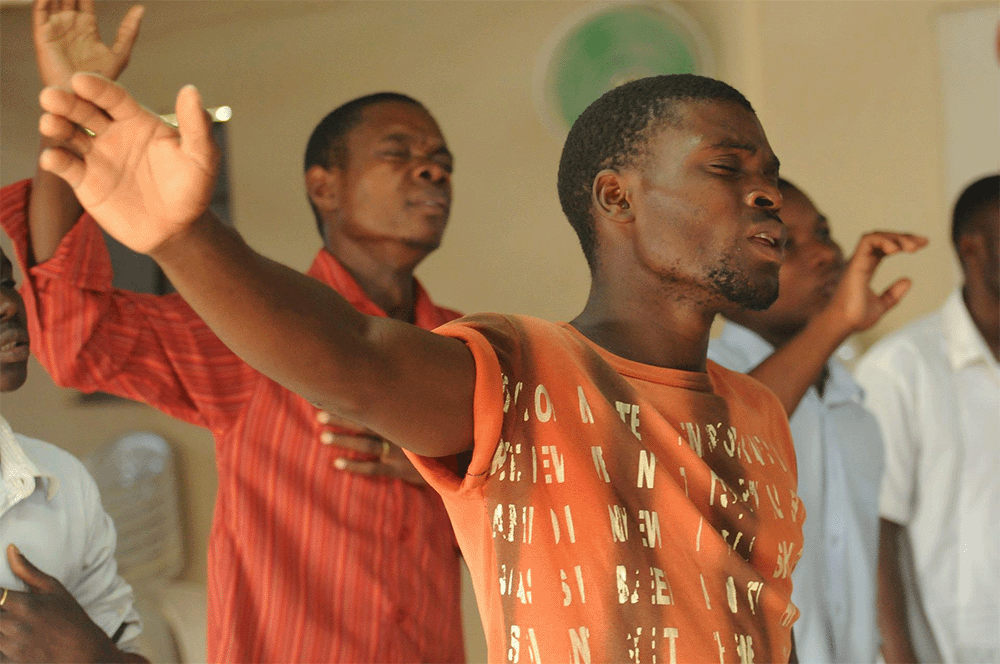
Youth, Faith, and Contraception in Francophone Africa
In francophone Africa, young people ages 15–24 have difficulty accessing quality family planning (FP) information and services. In addition, they have a higher contraceptive discontinuation rate than older women and are particularly sensitive to adverse effects. In March 2022, Population Reference Bureau (PRB) convened a series of four webinars as a follow-up to the dialogue on
Jeunesse, Religion et Contraception en Afrique francophone
En Afrique francophone, les jeunes âgés de 15 à 24 ans ont difficilement accès aux informations et services de planification familiale (PF) de qualité. De plus, ils affichent un taux d’abandon de la contraception supérieur à celui de leurs aînées et sont particulièrement sensibles aux effets indésirables. En mars 2022, PRB a tenu une série de
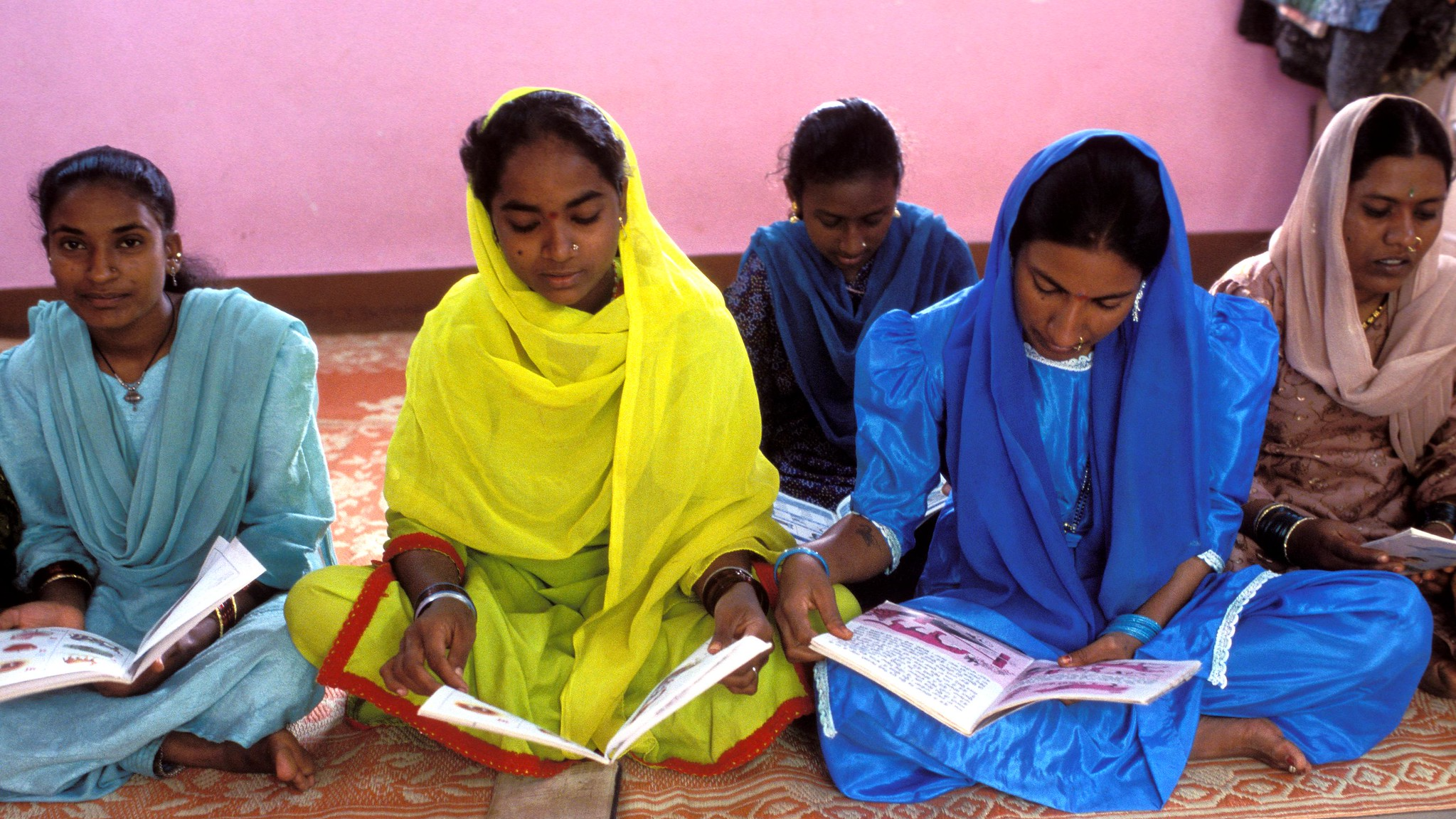
Meaningfully Engaging Youth: A Snapshot of the Asia Experience
On March 22, 2022, Knowledge SUCCESS hosted Meaningfully Engaging Youth: A Snapshot of the Asia Experience. The webinar highlighted experiences from four organizations in the Asia region working to co-create youth-friendly programs, ensure quality FP/RH services for youth, develop youth-friendly policies, and meet the FP/RH needs of youth at different levels of the health system. Did

Religious Leaders: Allies for the Well-Being of Youth and Women
This webinar highlighted the role of religious leaders as important allies in promoting positive social norms for the reproductive health and well-being of young people and women, as well as the importance of partnerships and coalitions in building transformative community dialogue for positive change. It was jointly organized by the Passages Project (Institute for Reproductive Health,
Recap: Using Social and Behavior Change to Meet Youth FP/RH Needs
On September 29, 2021, Breakthrough ACTION hosted a discussion on meeting youth family planning and reproductive health (FP/RH) needs. Attendees had the opportunity to participate in three discussions that highlighted Breakthrough ACTION’s resources and knowledge on expanding youth access to FP/RH services and information.

Relationships between Youth-Led Organizations, Donors, and NGOs
On November 18, Knowledge SUCCESS and FP2030 hosted the fourth and final session in our concluding set of conversations in the Connecting Conversations series. In this session, speakers discussed critical ways to improve trust-based partnerships with youth-led organizations, donors, and NGOs to effectively improve AYSRH.

Leaders religieux : Alliés pour le bien-être des Jeunes et des Femmes
Ce webinaire a mis en évidence le rôle des chefs religieux en tant qu'alliés importants dans la promotion de normes sociales positives pour l'engagement communautaire dans la santé et le bien-être reproductifs des jeunes et des femmes, ainsi que l'importance des partenariats et des coalitions dans la construction d'un dialogue communautaire transformateur pour apporter un changement

Scaling Up AYSRH Programs: Increasing Impact Without Affecting Quality
On November 11, Knowledge SUCCESS and FP2030 hosted the third session in our final set of conversations in the Connecting Conversations series. In this session, speakers discussed key considerations for scaling up effective and evidence-based programs to ensure that impact is far-reaching across youth populations and geographies.