


Introducing 20 Essential Resources: Quality Contraceptive Implant Removal
The Implant Removal Task Force is excited to partner with Knowledge SUCCESS to bring you this curated collection of resources for contraceptive implant removal, highlighting a critical, yet often-overlooked, component of contraceptive implant scale-up.

Ensuring Continuity of Essential FP/RH Services During Emergencies
In November-December 2021, family planning and reproductive health (FP/RH) workforce members based in Asia convened virtually for the third Knowledge SUCCESS Learning Circles cohort. The cohort focused on the topic of ensuring continuity of essential FP/RH services during emergencies.
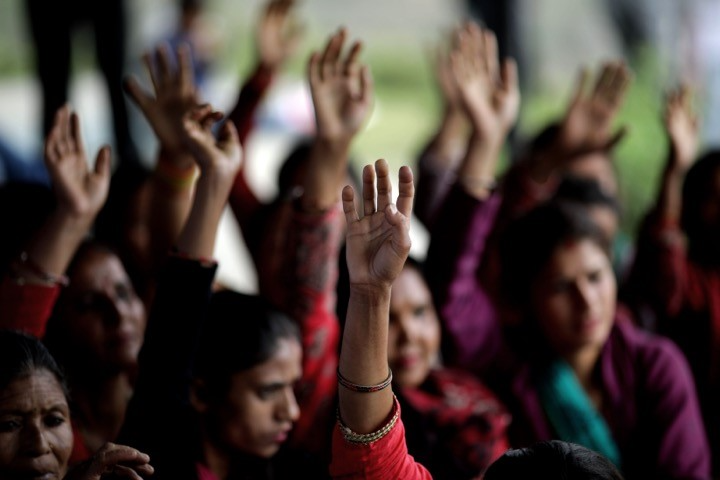
Family Planning Association Nepal Is Leaving No One Behind
Created in 1959, Family Planning Association Nepal (FPAN) is the country’s first national sexual and reproductive health service delivery and advocacy organization. Sixty-three years later, FPAN continues to ensure that family planning (FP) information and services are available and accessible to families—no matter their identity, ability, location, gender, or socioeconomic status.

Making Gloves, Forceps, and Other Supplies More Than an Afterthought
Massive improvements in our family planning (FP) supply chains in recent years have generated an expanded and more reliable method choice for women and girls around the world. But while we celebrate such success, one nagging issue that warrants attention is the corresponding equipment and consumable supplies, like gloves and forceps, necessary to administer these contraceptives:
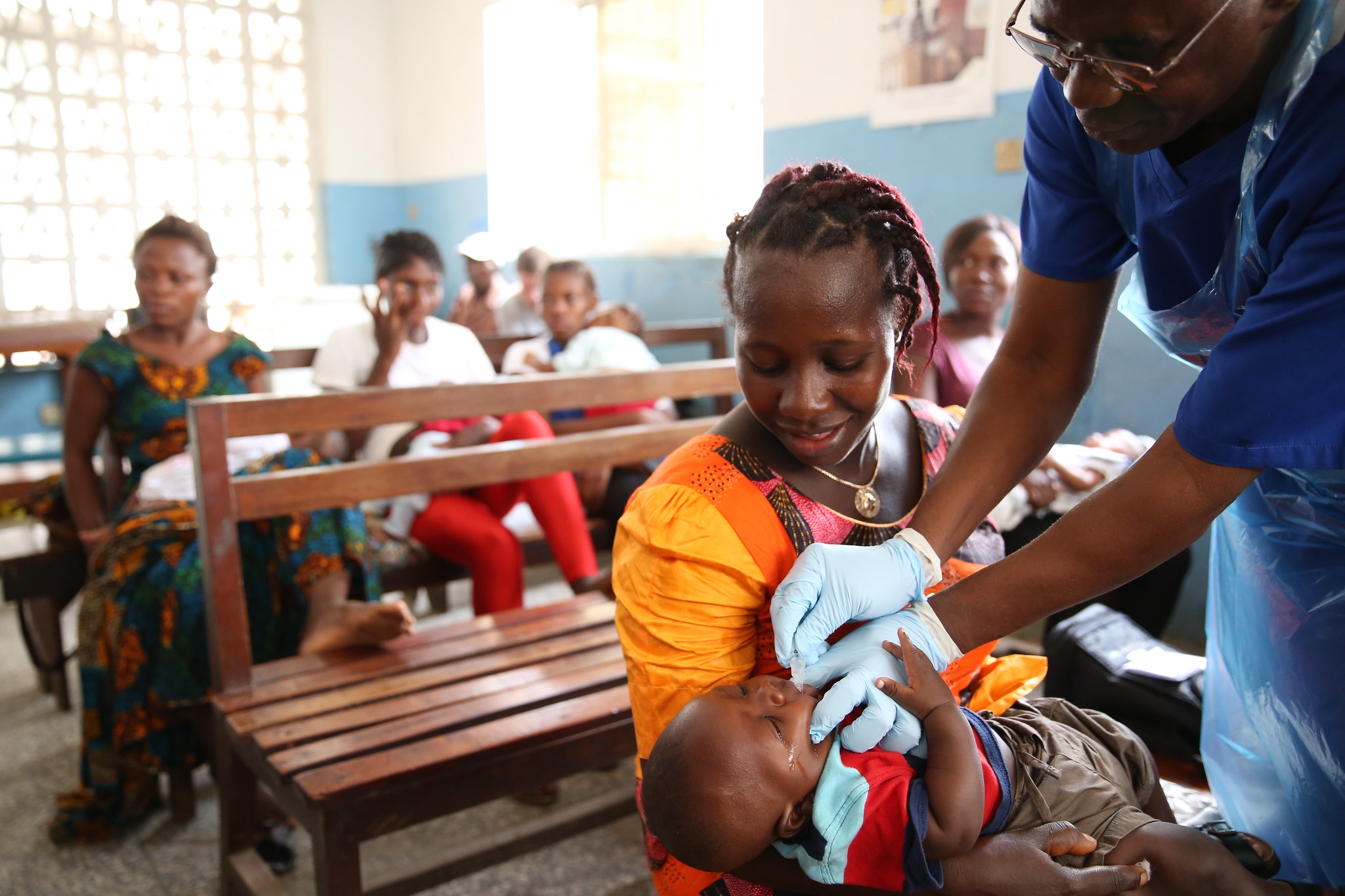
A New Set of Composite Indicators for Integrated Service Delivery
The INSPiRE project is introducing integrated performance indicators into policy and practice in francophone West Africa.
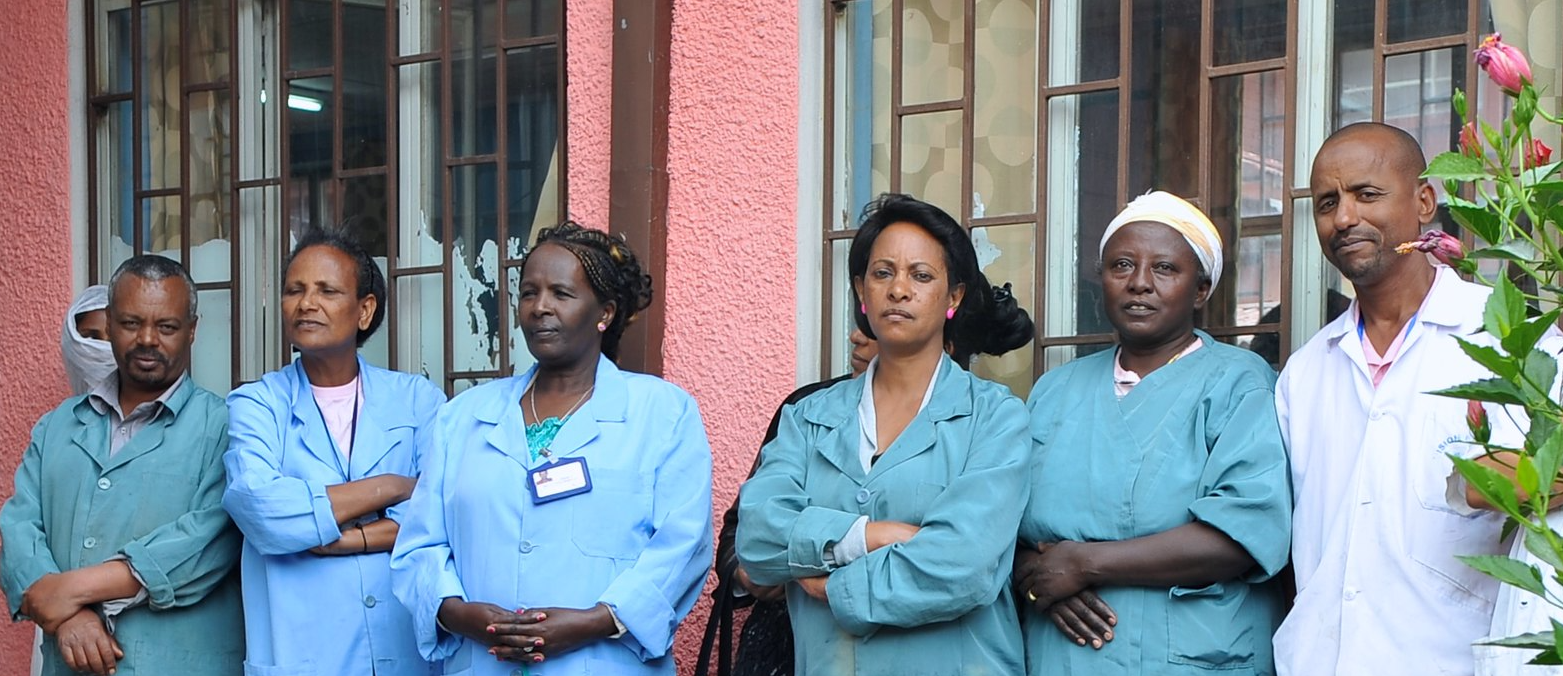
HIV and Contraceptive Service Integration for Female Sex Workers
Key populations, including female sex workers, face barriers to health care access that include stigma, criminalization, and gender-based violence. In many cases, these barriers can be mitigated by peer educators, who bring valuable insight and may engender trust with clients.

The Growing Impact of the Digital Gender Gap
The race to adapt to COVID-19 has resulted in a shift to virtual formats for health care training and service provision. This has amplified reliance on digital technologies. What does this mean for women seeking services but lacking the knowledge of and access to these technologies?

Improving Contraceptive Use in Young First-time Parents
With India’s adolescent and youth population on the rise, the country’s government has sought to address this group’s unique challenges. India’s Ministry of Health & Family Welfare created the Rashtriya Kishor Swasthya Karyakram (RKSK) program to respond to the critical need for adolescent reproductive and sexual health services. Focusing on young first-time parents, the program employed
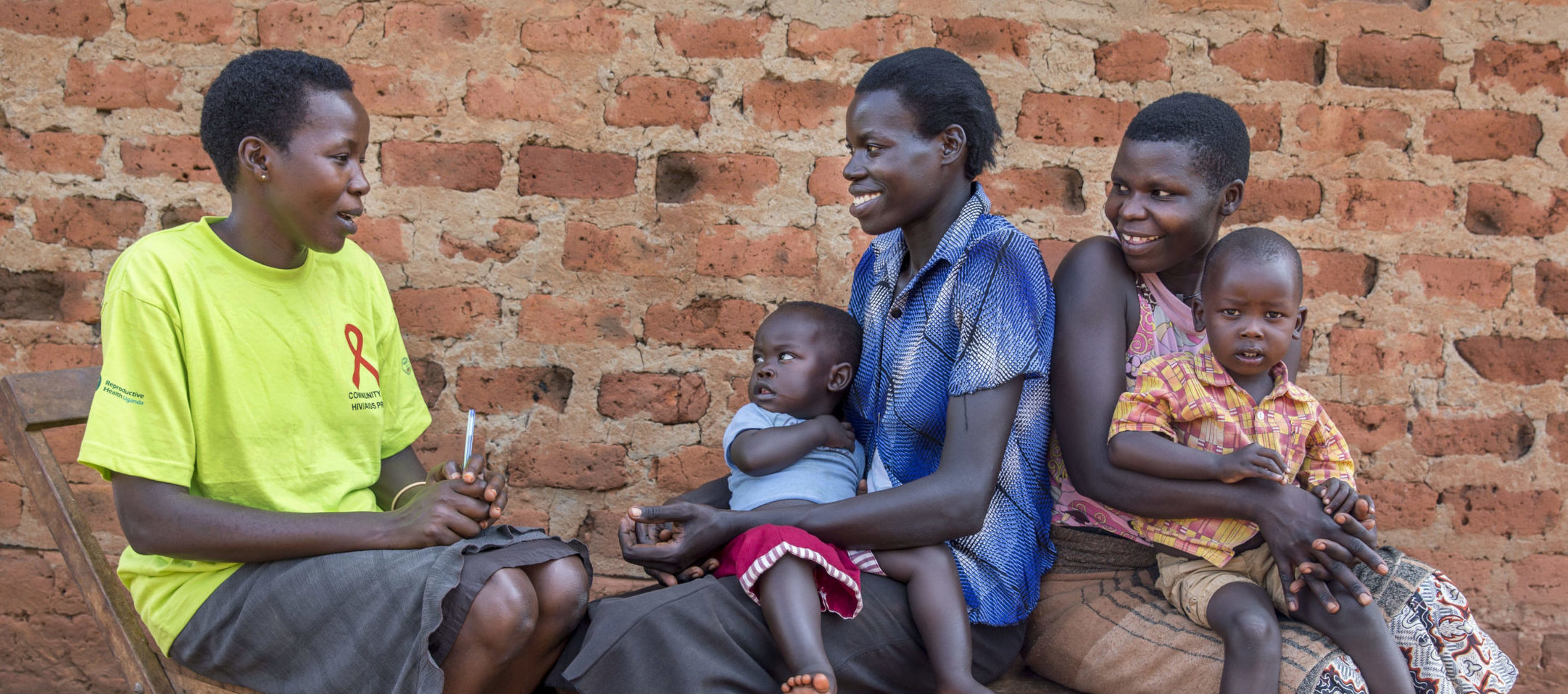
Advancing Self-Care in Uganda
Health care systems across the globe have always been based on a provider-to-client model. However, the introduction of new technology and products, and the increasing ease of access to information, has caused a shift in how health services can be delivered—placing clients at the center of health care. Various health areas, including sexual and reproductive health

Récapitulatif : S’adapter pour répondre aux besoins changeants des jeunes
Le 29 avril, Knowledge SUCCESS & FP2030 a organisé la quatrième et dernière session de la troisième série de conversations de la série Connecting Conversations, Une taille unique ne convient pas à tous : les services de santé reproductive au sein du système de santé élargi doivent répondre aux divers besoins des jeunes. Cette session s'est