



Récapitulatif : S’adapter pour répondre aux besoins changeants des jeunes
Le 29 avril, Knowledge SUCCESS & FP2030 a organisé la quatrième et dernière session de la troisième série de conversations de la série Connecting Conversations, Une taille unique ne convient pas à tous : les services de santé reproductive au sein du système de santé élargi doivent répondre aux divers besoins des jeunes. Cette session s'est

Sustaining Youth Contraceptive Use in West Africa
PACE convened a two-hour virtual policy dialogue on youth contraceptive discontinuation in West Africa on May 26, 2021. The event aimed to increase regional policymakers’ commitment to addressing the barriers to sustained contraceptive use among youth and forge collaboration opportunities for youth-led organizations, journalists, and young researchers.
Récapitulatif de la Série “Connecting Conversations” : Une Approche Réactif aux Adolescents
Le 4 mars, Knowledge SUCCESS & FP2030 a organisé la première session de la troisième série de conversations de la série Connecting Conversations, Une solution unique ne convient pas à tous : les services de santé reproductive au sein du système de santé élargi doivent répondre aux divers besoins des jeunes. Cette session s'est concentrée sur

Seven Lessons in Sustainability and Scalability for Digital Health Solutions
Recent updates to digital health case studies highlight ways programs have changed in the past decade, revealing insights on sustainability and scalability.

Family planning, reproductive health, and population census: How are they linked?
Have you ever wondered how, if at all, census and survey activities relate to family planning and reproductive health? They do, quite a bit. Census data helps countries make more informed decisions when distributing resources to their citizens. For family planning and reproductive health services, the accuracy of these data cannot be emphasized enough. We spoke

Data is key for robust evidence-based decision making
For robust evidence-based decision making, data and statistics are essential. To ensure proper planning in reproductive health, the accuracy and availability of this data cannot be over emphasized. We spoke to Samuel Dupre, a statistician with the U.S. Census Bureau’s International Program, and Mitali Sen, the International Program’s Chief of Technical Assistance and Capacity Building, who
Recap: Adapting to Meet Young People’s Needs as they Grow
On April 29th, Knowledge SUCCESS & Family Planning 2030 (FP2030) hosted the fourth and final session in the third set of conversations in the Connecting Conversations series, One Size Does Not Fit All: Reproductive Health Services Within the Greater Health System Must Respond to Young People’s Diverse Needs. This session focused on how health systems can
Introducing People-Planet Connection
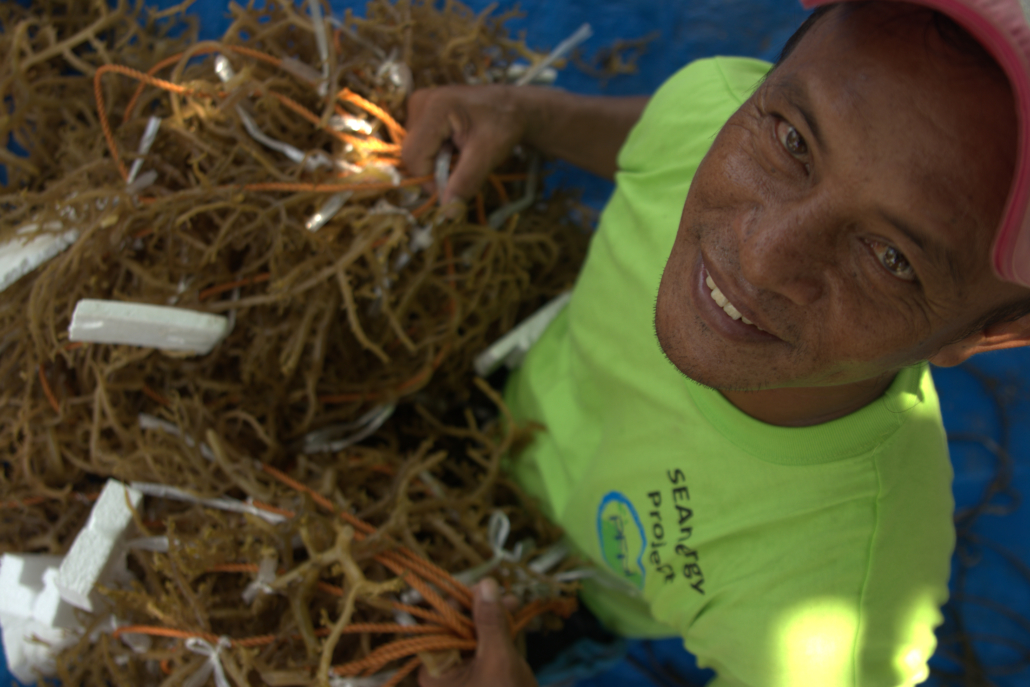
Today, as we mark the celebration of Earth Day, we are pleased to announce the launch of People-Planet Connection—a new learning and collaborative space co-created by and for global development professionals at the intersections between human population, health, and the environment (PHE). Visit the new space at peopleplanetconnect.org.
Recap: “An Introduction to FP2030 Commitments”
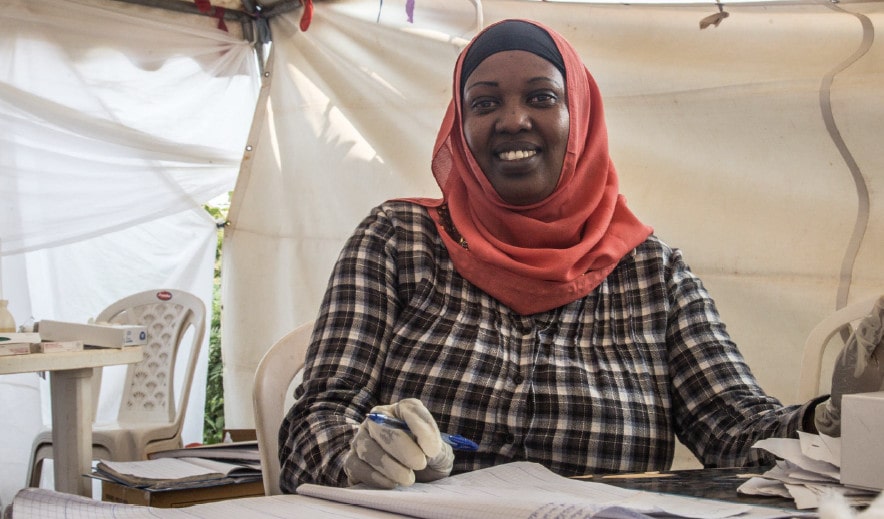
On March 24, FP2030 hosted the first in a series of conversations on FP2030 commitments. This webinar featured an introduction and orientation on the new elements of the FP2030 Commitment Guidance Toolkit. It also provided an opportunity for governments and non-state stakeholders to consult directly with thematic experts and discuss country experiences in the FP2030 commitment-making
Addressing Obstacles to Contraceptive Continuation Among Young People
Addressing obstacles to contraceptive continuation: The PACE project’s policy brief, Best Practices for Sustaining Youth Contraceptive Use, explores the unique patterns and drivers of contraceptive discontinuation among youth based on a new analysis of Demographic and Health Survey and Service Provision Assessment data. Key findings and recommendations include policy and program strategies to address obstacles to