


Beyond Humanitarian Settings: Young People’s Needs For Family Planning Remain Unmet in DRC
Gender inequality and gender-based violence (GBV) are serious concerns for refugees from the DRC. In the spring of 2022, the conflict in Eastern DRC escalated when the Mouvement du 23 Mars (M23) rebel military group engaged in fighting with the government in the North-Kivu province.
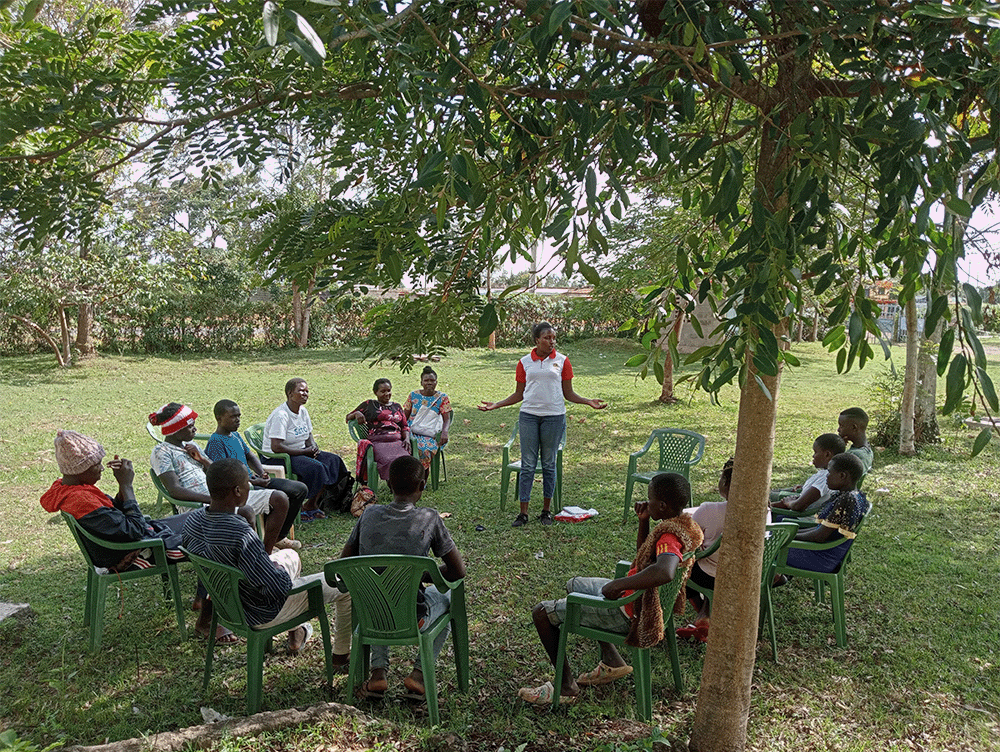
Navigating Sexual Reproductive Health as a Young Person
This spotlight series will focus on our valued KM champions in East Africa and shed light on their journey to working in FP/RH. In today’s post, we spoke with Mercy Kipng'eny, a program assistant for SHE SOARS project at the Center for Study of Adolescence in Kenya.

What Makes a Facility “Ready” to Provide Family Planning Services? Researchers in Bangladesh Explored Similarities and Differences Across Asia and Africa
Knowledge SUCCESS’ Brittany Goetsch chatted recently with Dr. Mohammad Mosiur Rahman, Professor, Department of Population Science and Human Resource Development, University of Rajshahit, the principal investigator (PI) of the research team, to learn how they used secondary data sources to explore the similarities and differences in facility readiness to provide FP services across 10 countries.

Impacts of the COVID-19 Pandemic on Family Planning Services in Gandaki Province, Nepal
A team of four faculty - Isha Karmacharya (lead), Santosh Khadka (co-lead), Laxmi Adhikari, and Maheswor Kafle - from the Central Institute of Science and Technology (CiST) College wanted to study the impact the COVID-19 pandemic had on FP commodities procurement, supply chain, and stock management in Gandaki province to determine if there were any variations

How Enhanced Engagement With The Private Sector Can Expand Access To Family Planning And Bring The World Closer to Universal Health Coverage
We are pleased to introduce our new blog series, FP in UHC, developed and curated by FP2030, Knowledge SUCCESS, PAI, and MSH. The blog series will provide valuable insights into how family planning (FP) contributes to the achievement of Universal Health Coverage (UHC), with perspectives from leading organizations in the field. This is the second post

10 Years, 10 Lessons: Implementing the Reproductive Health Law in the Philippines
Reproductive health advocates in the Philippines faced a tough 14-year long battle to turn the Responsible Parenthood and Reproductive Health Act of 2012 into a landmark law in December 2012.
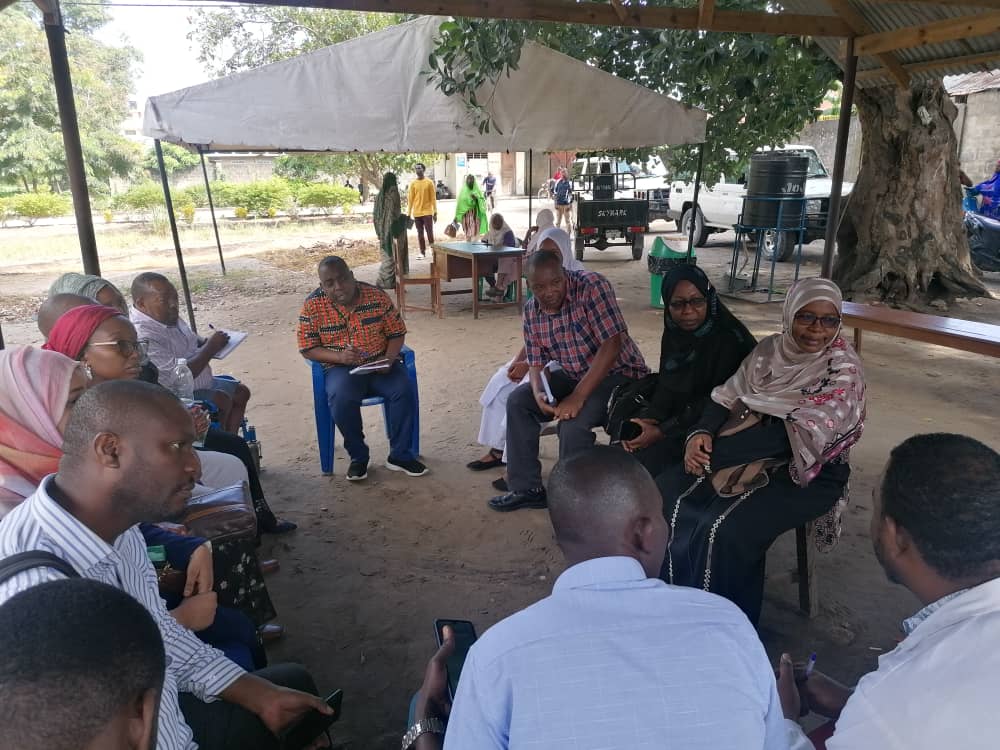
Family Planning and Reproductive Health Access and Utilization in East Africa
38 family planning and reproductive health (FP/RH) workforce members came together for the 2022 East Africa Learning Circles cohort. Through structured group dialogues, they shared and learned from each other’s practical experiences, on what works and what doesn’t in improving FP/RH access and use.

Making Contraceptives Accessible to Adolescent Youth in Northern Uganda
Marie Stopes Uganda’s Gulu Light Outreach provides free mobile clinics that engage Northern Ugandan communities on reproductive health. Using peer-to-peer influence and outreach in markets and community centers, the team educates young people on contraceptives. It aims to spur family planning and support a culture that prioritizes the futures of its youth and the sustainability of

Spotlight on Comprehensive Sexuality Education (CSE): What We Can Learn From the UNESCO Global Status Report
Supporting young people is crucial. CSE equips and empowers them with knowledge to make informed decisions about their own lives.

Nepal CRS Company: Pioneering Social Marketing of FP Commodities in Nepal
The private sector in Nepal is an important source of short-acting reversible contraceptives. It represents a critical opportunity to increase contraceptive access and choice. The Government of Nepal (GON) has emphasized the importance of strengthening social marketing and the private sector (National Family Planning Costed Implementation Plan 2015–2020). Nepal CRS Company (CRS) has introduced contraceptive products