


Less is More: Tips for Communicating Family Planning Data Online
How do common web user behaviors affect how people find and absorb knowledge? What did Knowledge SUCCESS learn from developing an interactive website feature presenting complex family planning data? How can you apply these learnings in your own work? This post recaps a May 2022 webinar with three sections: Online Behaviors and Why They Matter; Case

Nudging the Health Workforce to Share Experiences (Including Failures!)
How might we encourage the FP/RH workforce to share knowledge with each other? Particularly when it comes to sharing failures, people are hesitant. This post summarizes Knowledge SUCCESS’s recent assessment to capture and measure information-sharing behavior and intention among a sample of FP/RH and other global health professionals based in sub-Saharan Africa and Asia.

Practitioners Weigh In on the Impact of PHE Networks
In March 2021, Knowledge SUCCESS and Blue Ventures, a marine conservation organization, collaborated on the second in a series of community-driven dialogues on People-Planet Connection. The goal: to uncover and amplify the learnings and impact of five national PHE networks. Learn what network members from Ethiopia, Kenya, Madagascar, Uganda, and the Philippines shared during the

Common Questions in AYSRH: Connecting Conversations’ Experts Weigh In
Over the course of 18 months, FP2030 and Knowledge SUCCESS hosted 21 sessions of Connecting Conversations. The interactive series brought together speakers and participants from around the world for dialogues around timely topics in adolescent and youth sexual and reproductive health (AYSRH). Here we explore the answers to some of the series’ top questions.
Une stratégie pour optimiser l’engagement des acteurs de la société civile du Partenariat de Ouagadougou
Depuis sa création, le Partenariat de Ouagadougou (PO) œuvre pour l’amélioration et la promotion de la santé reproductive et l’accès à l’information et aux services de planification familiale dans la sous région Ouest Africaine Francophone. Pour optimiser cette lutte, les Gouvernements, les donateurs du PO, et les partenaires de mise en œuvre locaux et internationaux se

Introducing 20 Essential Resources: Quality Contraceptive Implant Removal
The Implant Removal Task Force is excited to partner with Knowledge SUCCESS to bring you this curated collection of resources for contraceptive implant removal, highlighting a critical, yet often-overlooked, component of contraceptive implant scale-up.
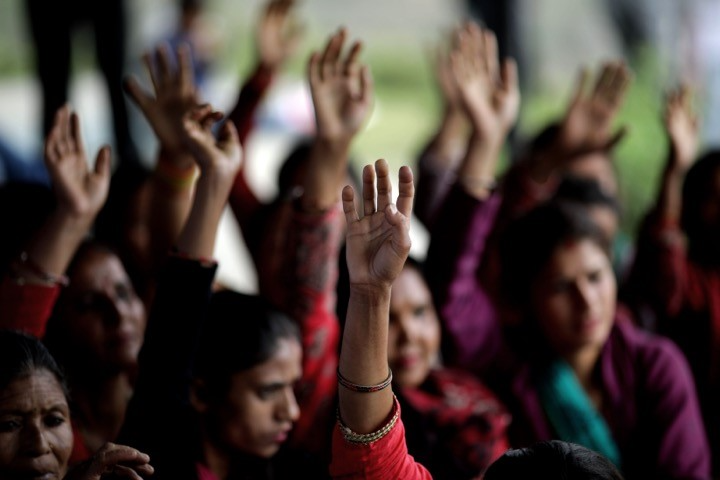
Family Planning Association Nepal Is Leaving No One Behind
Created in 1959, Family Planning Association Nepal (FPAN) is the country’s first national sexual and reproductive health service delivery and advocacy organization. Sixty-three years later, FPAN continues to ensure that family planning (FP) information and services are available and accessible to families—no matter their identity, ability, location, gender, or socioeconomic status.

Making Gloves, Forceps, and Other Supplies More Than an Afterthought
Massive improvements in our family planning (FP) supply chains in recent years have generated an expanded and more reliable method choice for women and girls around the world. But while we celebrate such success, one nagging issue that warrants attention is the corresponding equipment and consumable supplies, like gloves and forceps, necessary to administer these contraceptives:
Introducing Connecting the Dots Between COVID-19 and Family Planning
Connecting the Dots Between Evidence and Experience combines the latest evidence with implementation experiences to help technical advisors and program managers understand emerging trends in family planning and inform adaptations to their own programs. The inaugural edition focuses on the impact of COVID-19 on family planning in Africa and Asia.
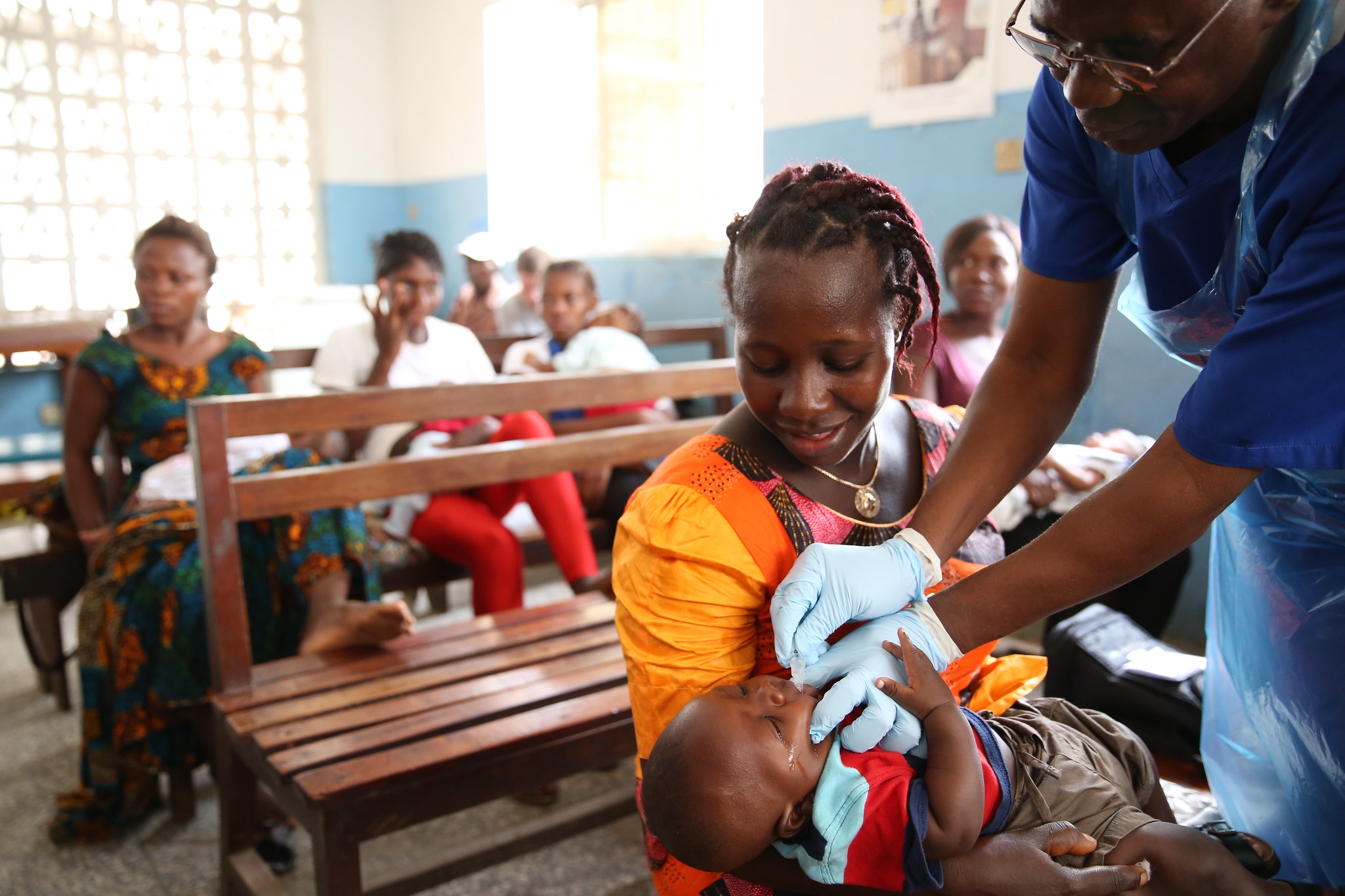
A New Set of Composite Indicators for Integrated Service Delivery
The INSPiRE project is introducing integrated performance indicators into policy and practice in francophone West Africa.