


June 2021 Course: Knowledge Management for Global Health Programs
Managing and maximizing knowledge and continuous learning in global health programs is a development imperative. Global health programs operate with scarce resources, high stakes, and urgent needs for coordination among partners and donors. Knowledge management (KM) provides solutions to these challenges. This course equips learners with the know-how to systematically apply KM for more effective global

Leaving No One Behind in Family Planning
Although there are more than 60 million additional users of modern contraception in the FP2020 focus countries as compared to 2012, our agenda remains unfinished, with quality family planning information and services not yet reaching many of those with the greatest need. To reach women, girls, and their partners equitably, we need to know who faces
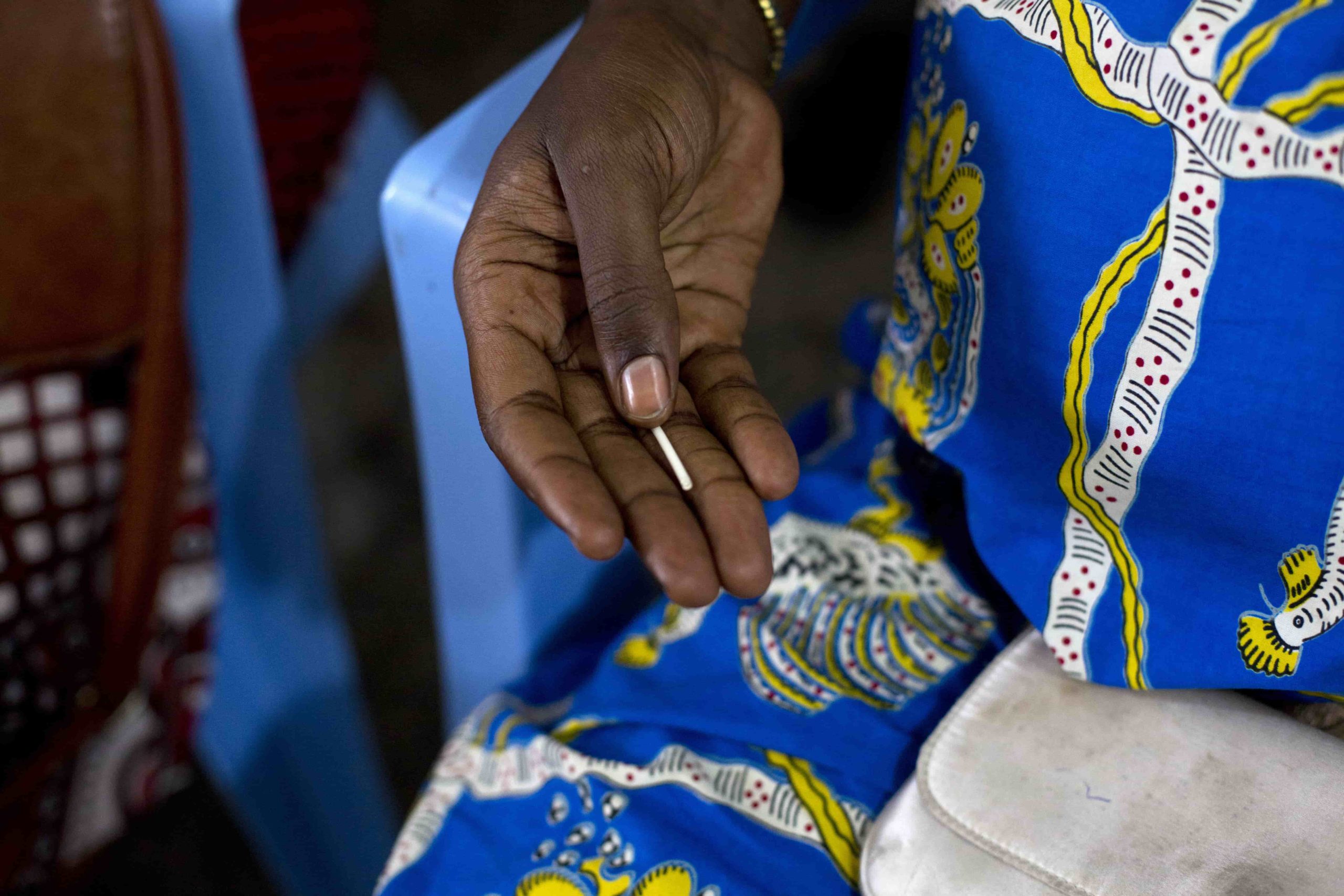
Time to Tweak Those Training Materials and Service Delivery Guidelines!
Program managers and healthcare providers who offer the one-rod contraceptive implant, Implanon NXT, should be aware of recent updates that affect the product’s administration. This change is in-process around the world, including countries where Implanon NXT is available at the reduced, market access, price.

Récapitulatif de la Série Connecting Conversations : Partenaires
Le session "Conversations connectées : Partenaires" a examiné les principaux acteurs qui améliorent la santé reproductive des jeunes.
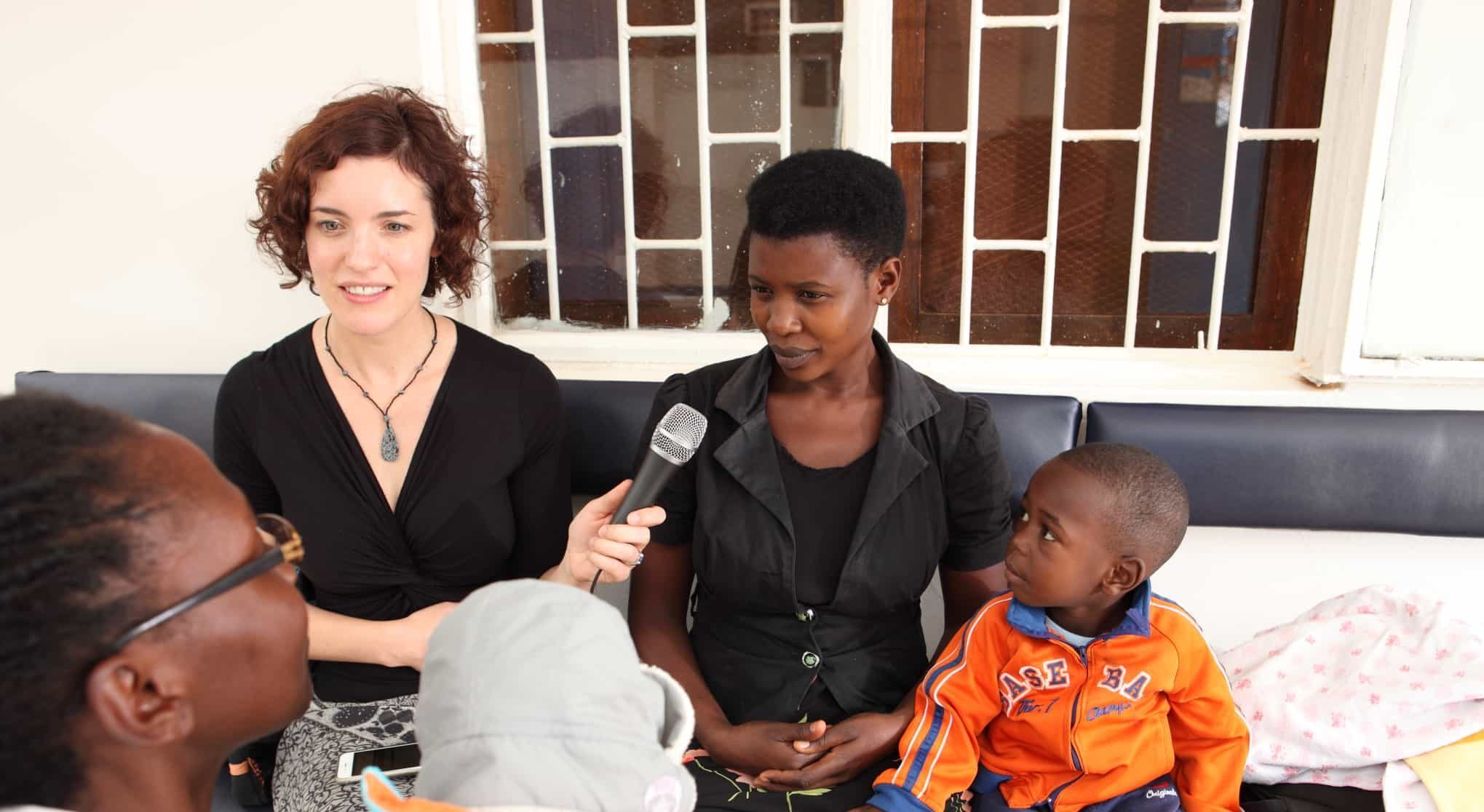
Reflecting on the Impact of Family Planning Voices
Family Planning Voices became a global storytelling movement within the family planning community when it launched in 2015. One of its founding team members reflects on the initiative's impact and shares tips for those interested in starting a similar project.

Technical Consultation on Contraceptive-Induced Menstrual Changes
On November 17‒18, 2020, a virtual technical consultation on contraceptive-induced menstrual changes (CIMCs) convened experts in the fields of family planning and menstrual health. This meeting was coordinated by FHI 360 through the Research for Scalable Solutions (R4S) and Envision FP projects with support from the U.S. Agency for International Development (USAID).

Can Social Listening and Social Media Monitoring Benefit Your SBC Activities?
Social media has increasingly become one of the most popular places for individuals to express their views and engage in conversations about what they see, hear, and believe. There are currently 3.4 billion social media users, a figure projected to increase to 4.4 billion by 2025. This growing popularity means that social media can also be

Top 10 Voluntary Family Planning Articles of 2020
Before this remarkable year ends, we’re taking a look back at the most popular Global Health: Science and Practice Journal (GHSP) articles on voluntary family planning in the last year according to you—our readers—that garnered the most reads, citations, and attention.

Applying Lessons from Zika to COVID
One of the key components to efficiently responding to global outbreaks is learning and adapting from past experiences. Reflecting on these lessons and how they can be adapted to fit our needs during the COVID pandemic can save time and help ensure an effective response. Here, we share lessons learned and effective practices from the 2016-19

Is Better Measurement the Key to Increased Investment in Social and Behavior Change for Voluntary Family Planning in Francophone West Africa?
Social and behavior change (SBC) approaches can increase the use of modern contraceptives by addressing the attitudes and social norms that influence demand. However, they often do not receive attention, partly because many practitioners are not effectively measuring their SBC efforts. Breakthrough ACTION interviewed voluntary family planning stakeholders in West Africa to learn why.