



How to Start Your SMART Advocacy Journey
SMART Advocacy is a collaborative process that brings together advocates and allies from different backgrounds to create change and sustain progress. Read on for tips and tricks to tackle your own advocacy challenges.

Harmonisation des mesures du changement social et comportemental dans le cadre de la planification familiale
Breakthrough ACTION crée, teste et applique à grande échelle de nouvelles approches hybrides du CSC en se fondant sur ses recherches novatrices, mais aussi sur son évaluation de programmes et de stratégies de CSC rentables éprouvés. Ensemble, ces projets jumeaux financés par l’USAID tirent parti des pratiques et des données relatives au CSC pour encourager les

20 Essential Resources: Self-Care for Family Planning
This collection includes a mix of resources categorized into several topics, including: conceptual framework, normative guidance, policy advocacy, etc. Each entry comes with a short summary and statement on why it is essential. We hope you find these resources informative.
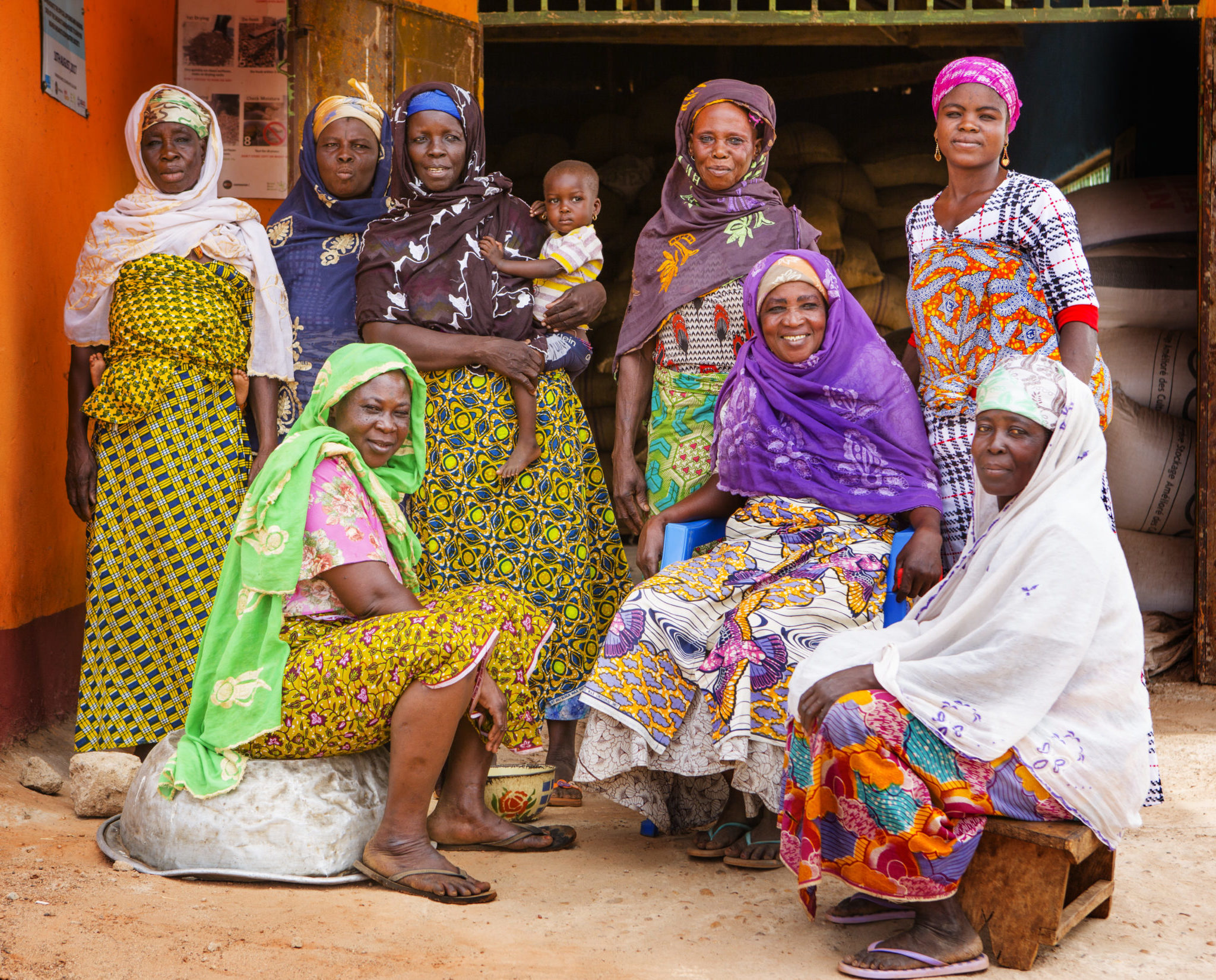
Fertility Awareness-Based Method Use in Ghana
A recent Global Health: Science and Practice (GHSP) article examined the use of fertility awareness-based methods (FABMs) in Ghana to gain knowledge on women who use them to avoid pregnancy. Few studies in low- and middle-income countries have estimated the use of FABM. Understanding who is using these methods contributes to family planning/reproductive health program professionals’
Aligning Measures of Social and Behavior Change for Family Planning
Breakthrough ACTION develops, tests, and scales up new and hybrid approaches to SBC, informed by Breakthrough RESEARCH’s cutting-edge research and evaluation of proven, cost-effective SBC strategies and programs. Together, these USAID-funded sister projects are harnessing SBC evidence and practice to increase priority health behaviors for improved health and development outcomes.
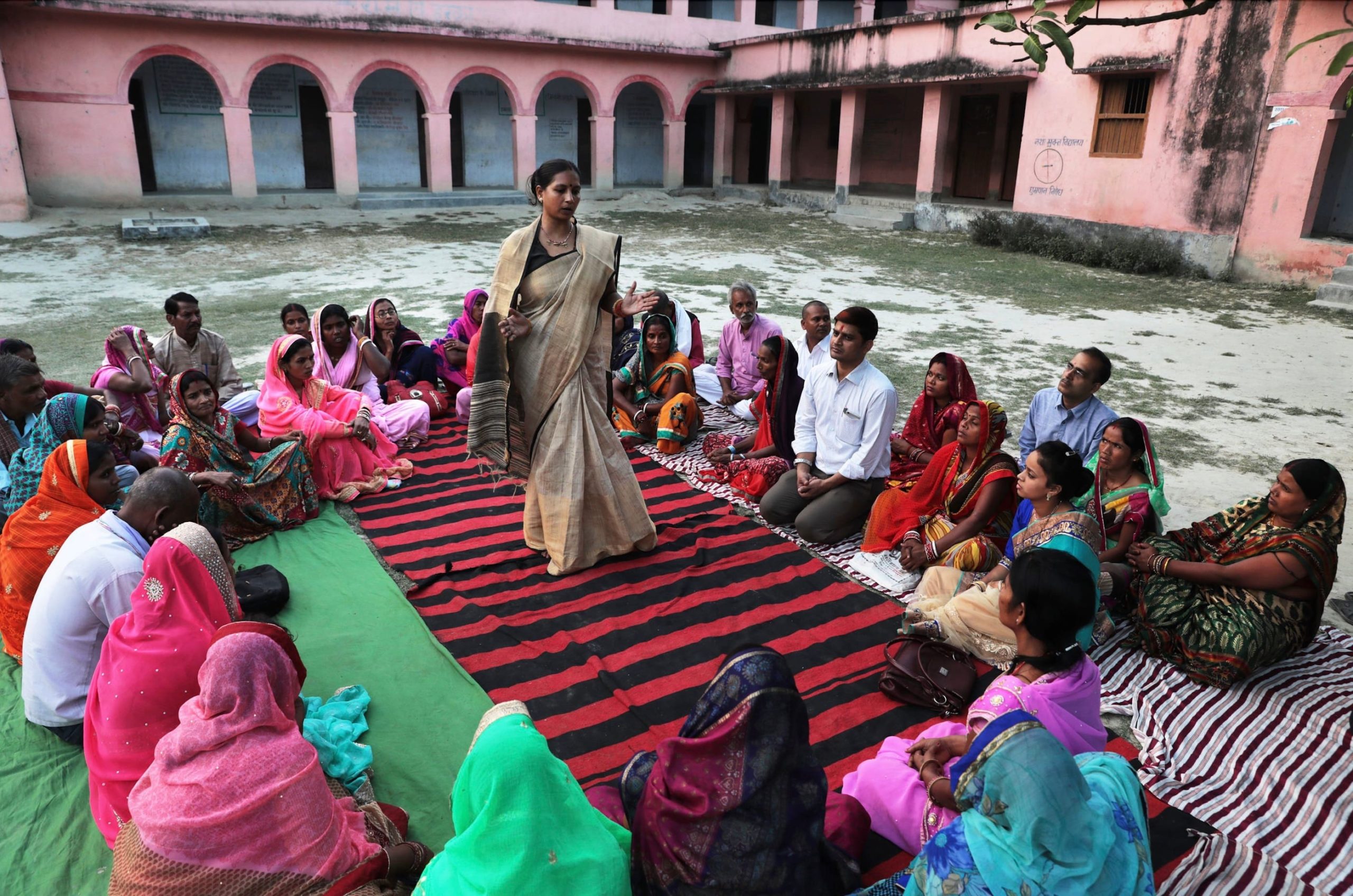
Introducing 20 Essential Resources on Family Planning Policy Environments
PRB’s Empowering Evidence-Driven Advocacy project and Policy, Advocacy, and Communication Enhanced for Population and Reproductive Health project are glad to partner with Knowledge SUCCESS to bring you this curated collection of resources highlighting different facets of family planning policy environments.

Family planning, reproductive health, and population census: How are they linked?
Have you ever wondered how, if at all, census and survey activities relate to family planning and reproductive health? They do, quite a bit. Census data helps countries make more informed decisions when distributing resources to their citizens. For family planning and reproductive health services, the accuracy of these data cannot be emphasized enough. We spoke

Data is key for robust evidence-based decision making
For robust evidence-based decision making, data and statistics are essential. To ensure proper planning in reproductive health, the accuracy and availability of this data cannot be over emphasized. We spoke to Samuel Dupre, a statistician with the U.S. Census Bureau’s International Program, and Mitali Sen, the International Program’s Chief of Technical Assistance and Capacity Building, who

Leaving No One Behind in Family Planning
Although there are more than 60 million additional users of modern contraception in the FP2020 focus countries as compared to 2012, our agenda remains unfinished, with quality family planning information and services not yet reaching many of those with the greatest need. To reach women, girls, and their partners equitably, we need to know who faces

Technical Consultation on Contraceptive-Induced Menstrual Changes
On November 17‒18, 2020, a virtual technical consultation on contraceptive-induced menstrual changes (CIMCs) convened experts in the fields of family planning and menstrual health. This meeting was coordinated by FHI 360 through the Research for Scalable Solutions (R4S) and Envision FP projects with support from the U.S. Agency for International Development (USAID).