


Improving Access to Reproductive and Maternal Health Services
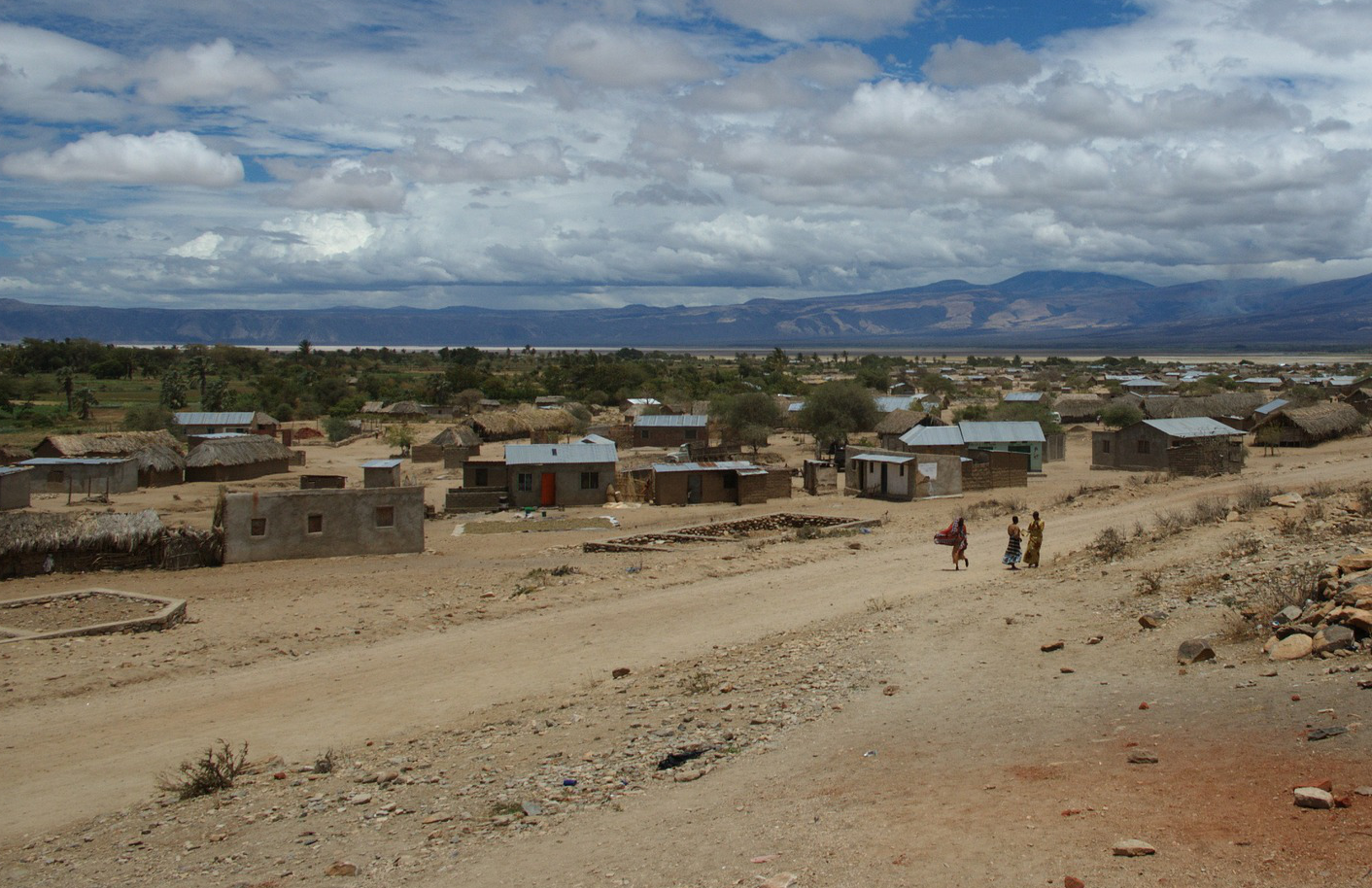
The Uzazi Uzima Project's work to build the capacity of healthcare workers to provide high-quality services has improved access to reproductive, maternal, newborn, child, and adolescent health services—including family planning—in northern Tanzania's Simiyu Region.

Young People With Disabilities: Ensuring Inclusive Access to SRH Services
Webinar recap from the Connecting Conversations series: How the stigmatization of young people with disabilities impacts access to sexual and reproductive health (SRH) services, and what innovative program approaches and considerations can promote inclusion.
Récapitulatif : Conception de Programmes pour les Besoins Divers des Jeunes
Le 18 mars, Knowledge SUCCESS & FP2030 a co-organisé la deuxième session de la troisième série de conversations de la série Connecting Conversations, Une solution unique ne convient pas à tous : les services de santé reproductive au sein du système de santé élargi doivent répondre aux divers besoins des jeunes. Cette session s'est concentrée sur
Récapitulatif de la Série “Connecting Conversations” : Une Approche Réactif aux Adolescents
Le 4 mars, Knowledge SUCCESS & FP2030 a organisé la première session de la troisième série de conversations de la série Connecting Conversations, Une solution unique ne convient pas à tous : les services de santé reproductive au sein du système de santé élargi doivent répondre aux divers besoins des jeunes. Cette session s'est concentrée sur

Empathways: Improving the Relationship Between Healthcare Providers and Young People
A major barrier to young people’s access and use of family planning is mistrust. This new tool leads providers and young potential clients through a process that addresses this barrier by fostering empathy, creating opportunities to improve youth family planning service delivery.
Récapitulatif: Mise en œuvre d’une approche adaptée aux adolescents
Le 8 avril, Knowledge SUCCESS & FP2030 ont organisé la troisième session de la troisième série de conversations de la série Connecting Conversations, “ À quoi ressemble la mise en œuvre d'une approche adaptée aux adolescents ?” Cette session s'est concentrée sur les différences entre la mise en œuvre d'une approche systémique par rapport aux approches

Reflections on advances in DMPA-SC and self-injection
FHI 360’s Catherine Packer shares a personal perspective on DMPA-SC’s past ten years, from early research to recent workshops. Since its introduction—and particularly since it became available for self-injection—DMPA-SC has become an important part of the global family planning and reproductive health landscape.
Recap: Adapting to Meet Young People’s Needs as they Grow
On April 29th, Knowledge SUCCESS & Family Planning 2030 (FP2030) hosted the fourth and final session in the third set of conversations in the Connecting Conversations series, One Size Does Not Fit All: Reproductive Health Services Within the Greater Health System Must Respond to Young People’s Diverse Needs. This session focused on how health systems can
Recap: Implementing an Adolescent Responsive Approach
On April 8th, Knowledge SUCCESS & Family Planning 2030 (FP2030) hosted the third session in the third set of conversations in the Connecting Conversations series, “What does it look like to implement an adolescent responsive approach?” This session focused on the differences between implementing a systems-based approach versus disconnected approaches and what youth-led accountability strategies are

What Works in Family Planning and Reproductive Health, Part 1: Male Engagement
Today, Knowledge SUCCESS is pleased to announce the first in a series that documents “What Works in Family Planning and Reproductive Health.” The new series will present, in depth, essential elements of impactful programs The series uses innovative design to address some of the barriers that traditionally discourage people from creating or using documents that share