


Male Contraceptive Innovations on the Horizon
Innovations in male contraceptives have the potential to change the world of family planning. Male Contraceptive Initiative executive director Heather Vahdat spoke with us about how new male contraceptive methods will shape global public health outcomes.
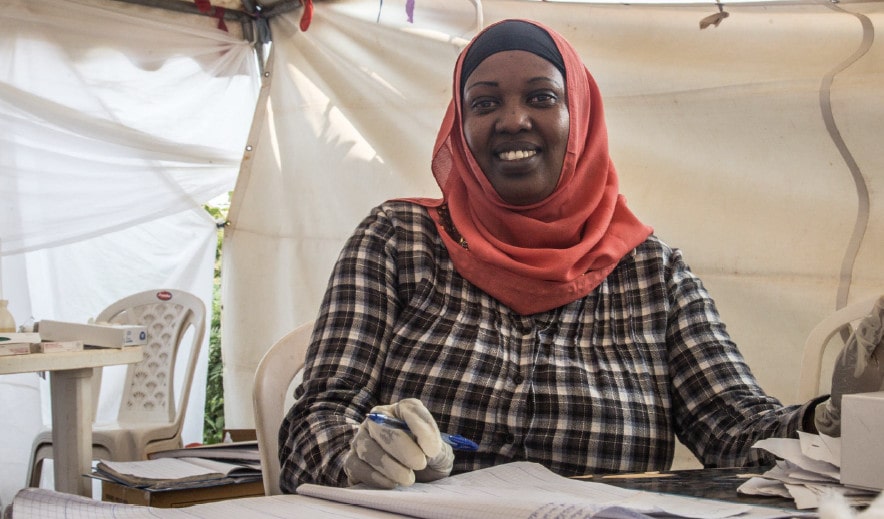
Recap: “An Introduction to FP2030 Commitments”
On March 24, FP2030 hosted the first in a series of conversations on FP2030 commitments. This webinar featured an introduction and orientation on the new elements of the FP2030 Commitment Guidance Toolkit. It also provided an opportunity for governments and non-state stakeholders to consult directly with thematic experts and discuss country experiences in the FP2030 commitment-making

Recap: Adolescent Responsive Services in Family Planning
On March 16, the NextGen RH CoP, Knowledge SUCCESS, E2A, FP2030, and IBP hosted a webinar, “Adolescent Family Planning and Sexual and Reproductive Health: A Health Systems Perspective,” that explored the updated High Impact Practice (HIP) brief on Adolescent Responsive Services.

Recap of “Connecting Conversations” Series: Adolescent Responsive Approaches
On March 4, Knowledge SUCCESS & Family Planning 2030 (FP2030) hosted the first session in the third set of conversations in the Connecting Conversations series, One Size Does Not Fit All: Reproductive Health Services Within the Greater Health System Must Respond to Young People’s Diverse Needs.

Implementing DMPA-SC Self-Injection During COVID-19 in Four Francophone Countries
Recap of a webinar on high-impact approaches to support the introduction and scale-up of the self-injectable contraceptive DMPA-SC in Francophone family planning programs in Burkina Faso, Guinea, Mali, and Togo.

9ème Réunion Annuelle du Partenariat de Ouagadougou (RAPO)
L'UCPO a saisi l'occasion pour annoncer que la finale du concours de plaidoyer des associations de jeunes du PO aura lieu le 31 mars 2021.

Addressing Obstacles to Contraceptive Continuation Among Young People
Addressing obstacles to contraceptive continuation: The PACE project’s policy brief, Best Practices for Sustaining Youth Contraceptive Use, explores the unique patterns and drivers of contraceptive discontinuation among youth based on a new analysis of Demographic and Health Survey and Service Provision Assessment data. Key findings and recommendations include policy and program strategies to address obstacles to

Leaving No One Behind in Family Planning
Although there are more than 60 million additional users of modern contraception in the FP2020 focus countries as compared to 2012, our agenda remains unfinished, with quality family planning information and services not yet reaching many of those with the greatest need. To reach women, girls, and their partners equitably, we need to know who faces
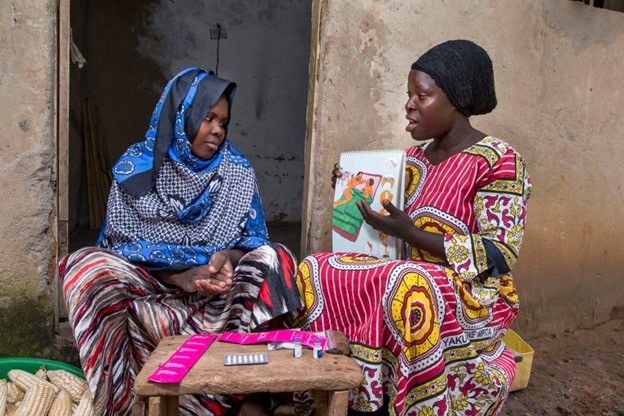
Universal Health Coverage: Not Without Family Planning
Universal health coverage (UHC) characterizes an ideal where all people have access to the health services they need, when and where they need them, without financial hardship. In the same way that the long-term consequences of the COVID-19 pandemic will place a heavy burden on health systems, so too will the lack of reproductive health care.
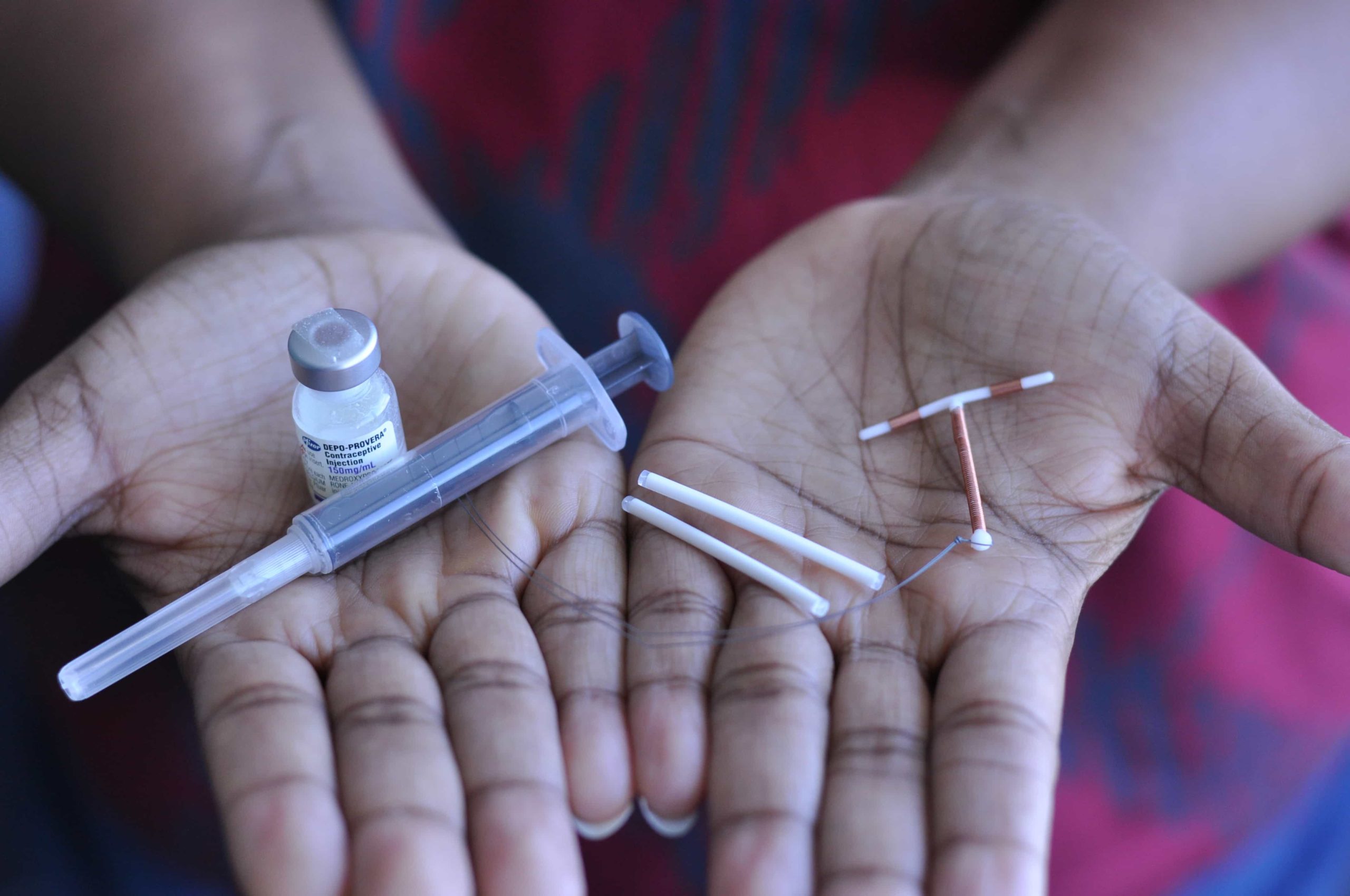
Unfinished Business for Access to Contraception and HIV Prevention
Findings from the ECHO trial led to an increased focus in HIV prevention in family planning programs. Here's what else needs to happen in the COVID-19 context.