


Spotlight on People-Planet Connection: Edith Ngunjiri on Blue Ventures
Blue Ventures started integrating health interventions, addressing a huge unmet need for family planning. We came to understand that we were addressing a health need which is part of a broader ecosystem consisting of conservation, health, livelihood, and other challenges.
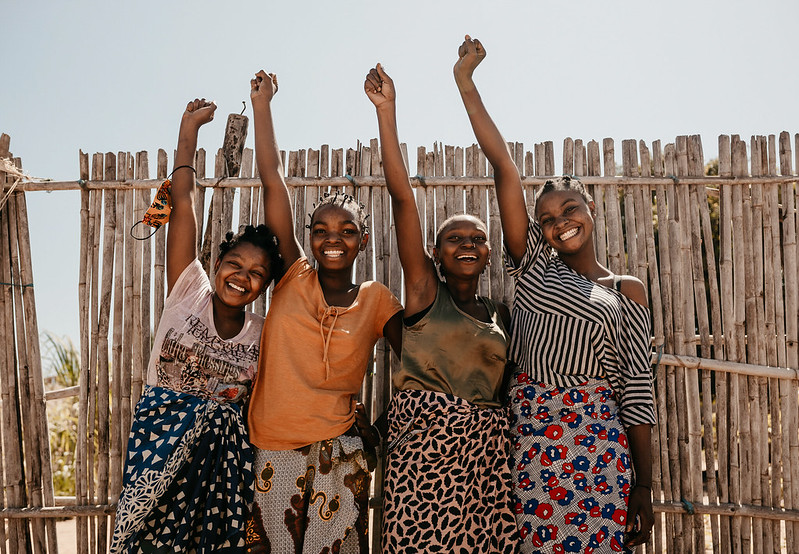
Inside the FP Story’s Sixth Season Launches
Season 6 of Inside the FP Story highlights the importance of considering the larger sexual and reproductive health context when providing family planning and contraceptive services.
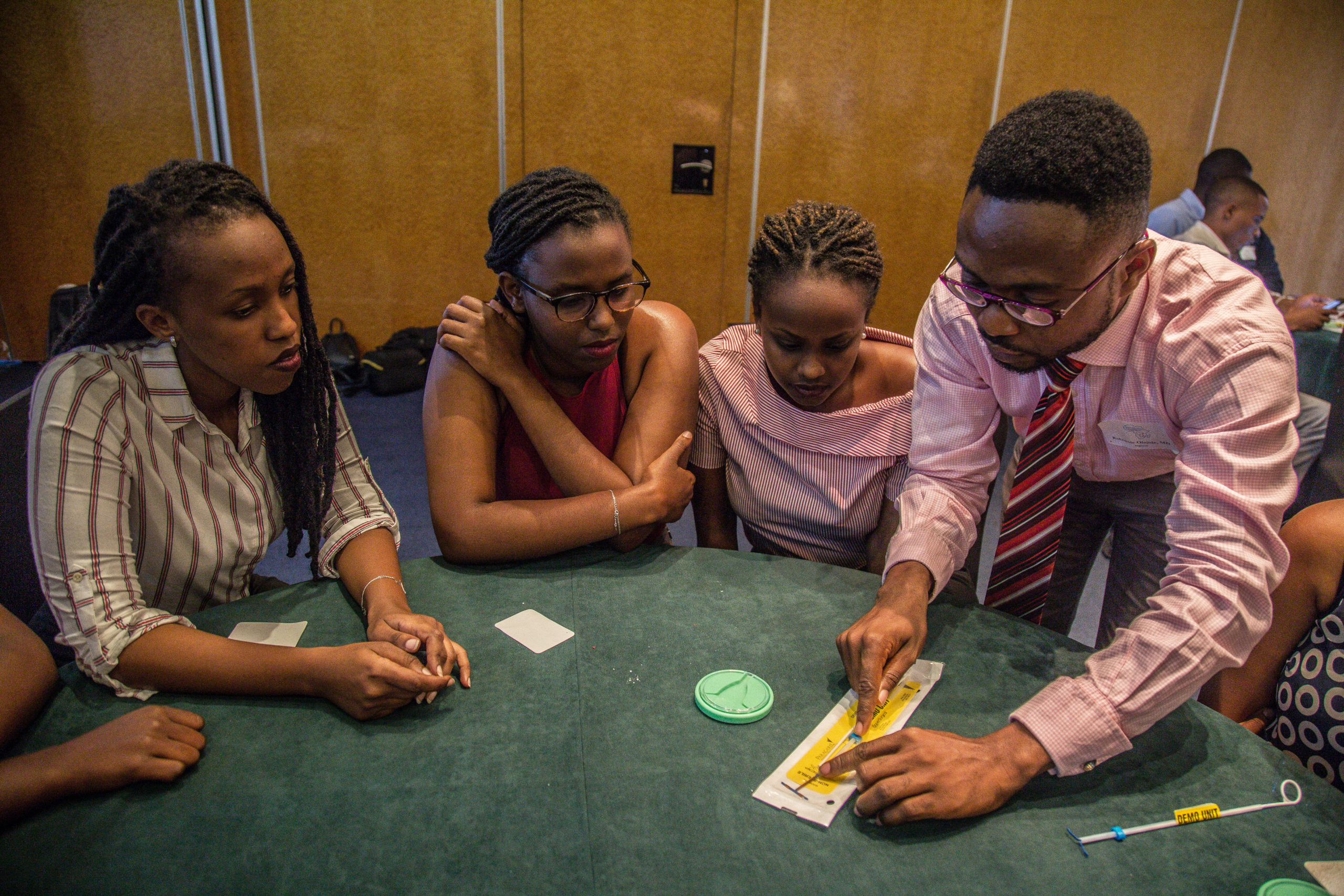
Exploring Current Trends and Opportunities in Domestic Resource Mobilization for Family Planning
Descriptive analysis of financial data trends in Nigeria, specifically in Ebonyi State, painted a rather gloomy picture for family planning (FP). Dr. Chinyere Mbachu, Doctor at Health Policy Research Group, College of Medicine at the University of Nigeria, and co-author of this research discussed how financing has an impact on reproductive health (RH) family planning.
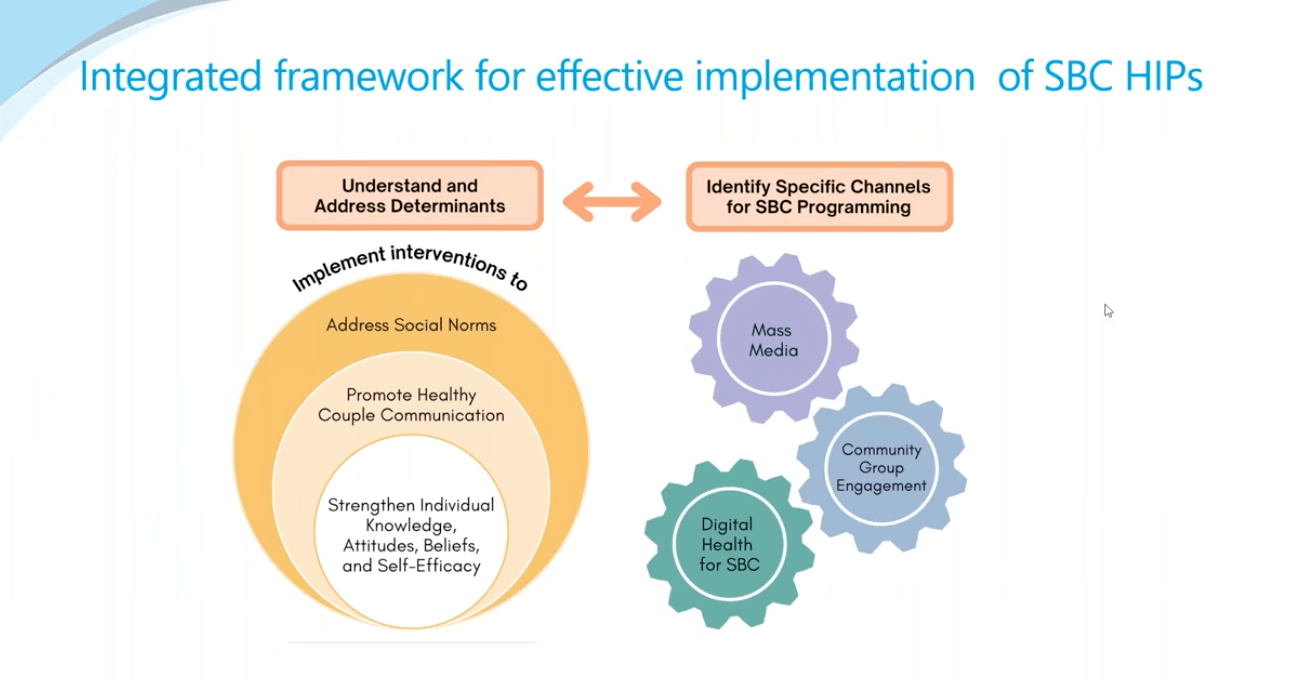
New High Impact Practice Briefs on Social and Behavior Change for Family Planning
The HIPs Partnership in collaboration with the IBP Network recently hosted a three-part webinar series to highlight three recently-published High Impact Practice (HIP) briefs on Social and Behavior Change (SBC) for family planning. The three briefs were launched at the SBCC Summit in December 2022.
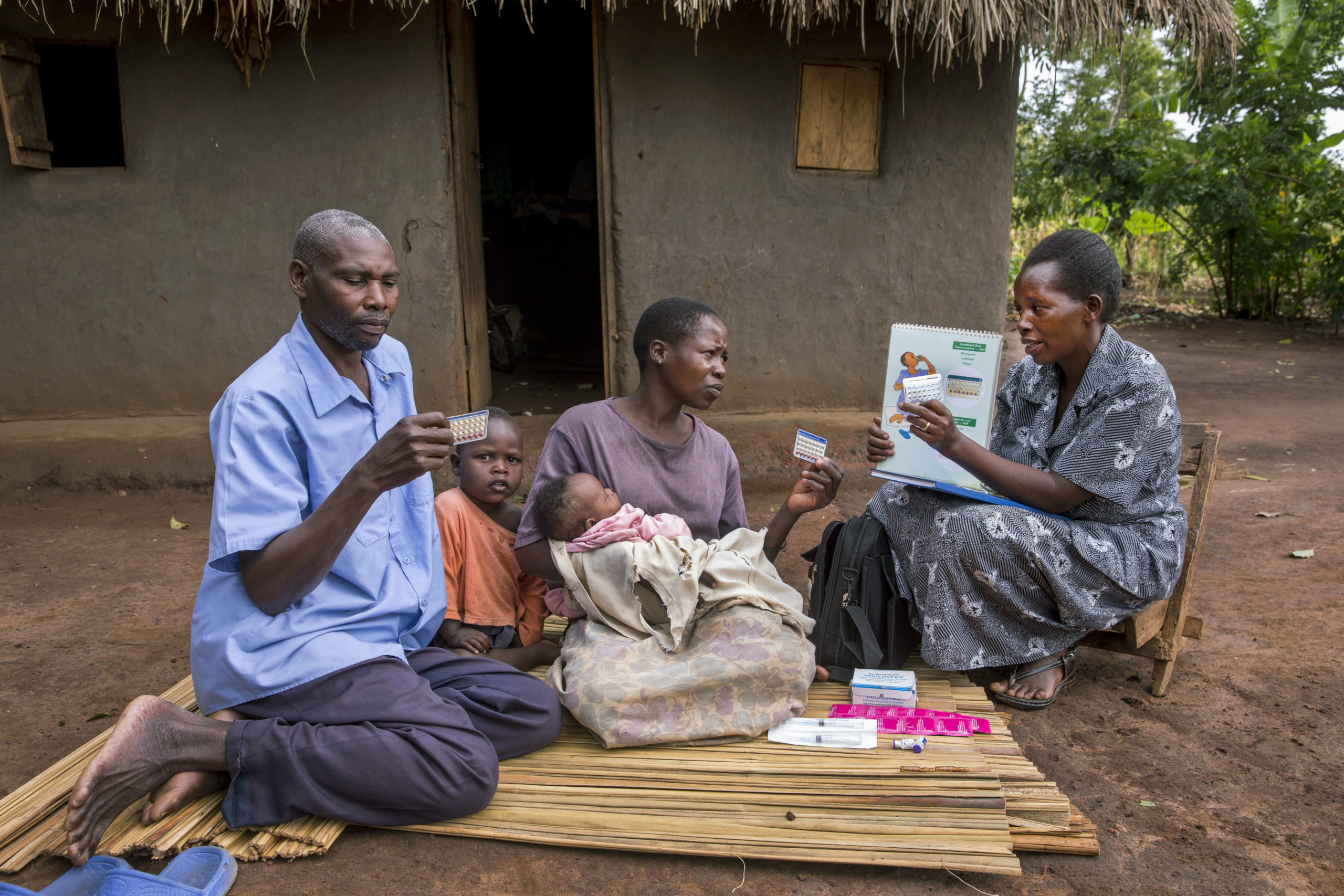
Engaging Men to Increase Postpartum Contraceptive Uptake
During all stages of reproductive life, men play an important role in conversations and decisions about contraceptive use, family size, and spacing of children. Yet, even with this decision-making role, they are often left out of family planning and contraceptive programming, outreach, and education efforts.

What Makes a Facility “Ready” to Provide Family Planning Services? Researchers in Bangladesh Explored Similarities and Differences Across Asia and Africa
Knowledge SUCCESS’ Brittany Goetsch chatted recently with Dr. Mohammad Mosiur Rahman, Professor, Department of Population Science and Human Resource Development, University of Rajshahit, the principal investigator (PI) of the research team, to learn how they used secondary data sources to explore the similarities and differences in facility readiness to provide FP services across 10 countries.

Impacts of the COVID-19 Pandemic on Family Planning Services in Gandaki Province, Nepal
A team of four faculty - Isha Karmacharya (lead), Santosh Khadka (co-lead), Laxmi Adhikari, and Maheswor Kafle - from the Central Institute of Science and Technology (CiST) College wanted to study the impact the COVID-19 pandemic had on FP commodities procurement, supply chain, and stock management in Gandaki province to determine if there were any variations
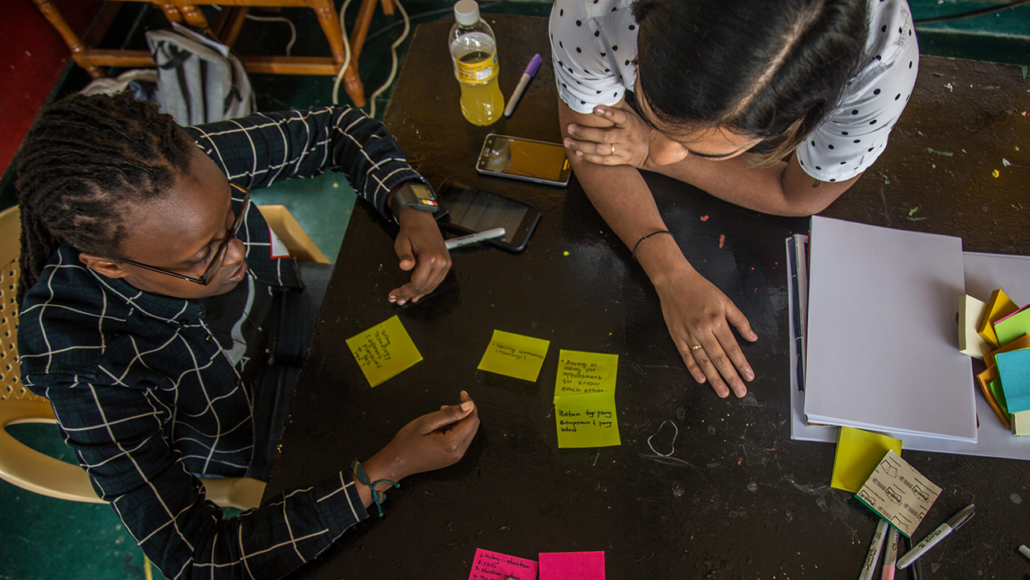
New Interactive Learning Courses to Strengthen Social and Behavior Change Measurement, Monitoring, and Evaluation for Family Planning Programs
Family planning programs are often faced with the challenge of transferring knowledge into behavior. A growing body of evidence suggests that social and behavior change (SBC) interventions improve family planning/reproductive health outcomes by directly increasing contraceptive uptake or increasing contraceptive use through pathways that address intermediate determinants such as attitudes around family planning.

Strengthening Research Skills: Evidence-based FP and Resilience in Afghanistan
Introducing our new blog series that highlights local research produced with support from the D4I project, 'Going Local: Strengthening Local Capacity in General Local Data to Solve Local FP/RH Development Challenges.'

How Enhanced Engagement With The Private Sector Can Expand Access To Family Planning And Bring The World Closer to Universal Health Coverage
We are pleased to introduce our new blog series, FP in UHC, developed and curated by FP2030, Knowledge SUCCESS, PAI, and MSH. The blog series will provide valuable insights into how family planning (FP) contributes to the achievement of Universal Health Coverage (UHC), with perspectives from leading organizations in the field. This is the second post