


June 2023 Course: Knowledge Management in Global Health Programs
Now through May 26, registration is open to enroll in the Johns Hopkins Bloomberg School of Public Health (BSPH) Summer Institute course, “Register by May 26th for this course. You may find this course listed under its course number 410.664.79.

Ten Lessons From Breakthrough ACTION’s Social and Behavior Change for Family Planning and Reproductive Health Programs
Over the last four years, Breakthrough ACTION has completed a wide array of activities utilizing social and behavior change (SBC) approaches to improve family planning and reproductive health (FP/RH) outcomes, including both global and regional advocacy, technical assistance, and capacity strengthening, as well as country-level implementation of SBC campaigns and solutions.

Tools for Better SBC in FP/RH Programming
Breakthrough ACTION, along with Springboard and the Ouagadougou Partnership Coordination Unit, hosted a virtual share fair to promote FP/RH programming tools.

Using HIP Products to Inform and Strengthen FP Programs, Part 2
High Impact Practices in Family Planning (HIPs) are a set of evidence-based family planning practices vetted by experts against specific criteria and documented in an easy-to-use format. The Evaluation of High Impact Practices in Family Planning Products sought to understand whether and how HIP products were being used among health professionals at the country and global

Common assumptions about websites
Reflecting on the common assumption that once a website is built, people will come—or put another way, that once you build it, you’re done—with ideas for how to bring people to a website and ensure its content is used.
Engaging men and boys in FP/RH: insights from the 2022 Asia Learning Circles
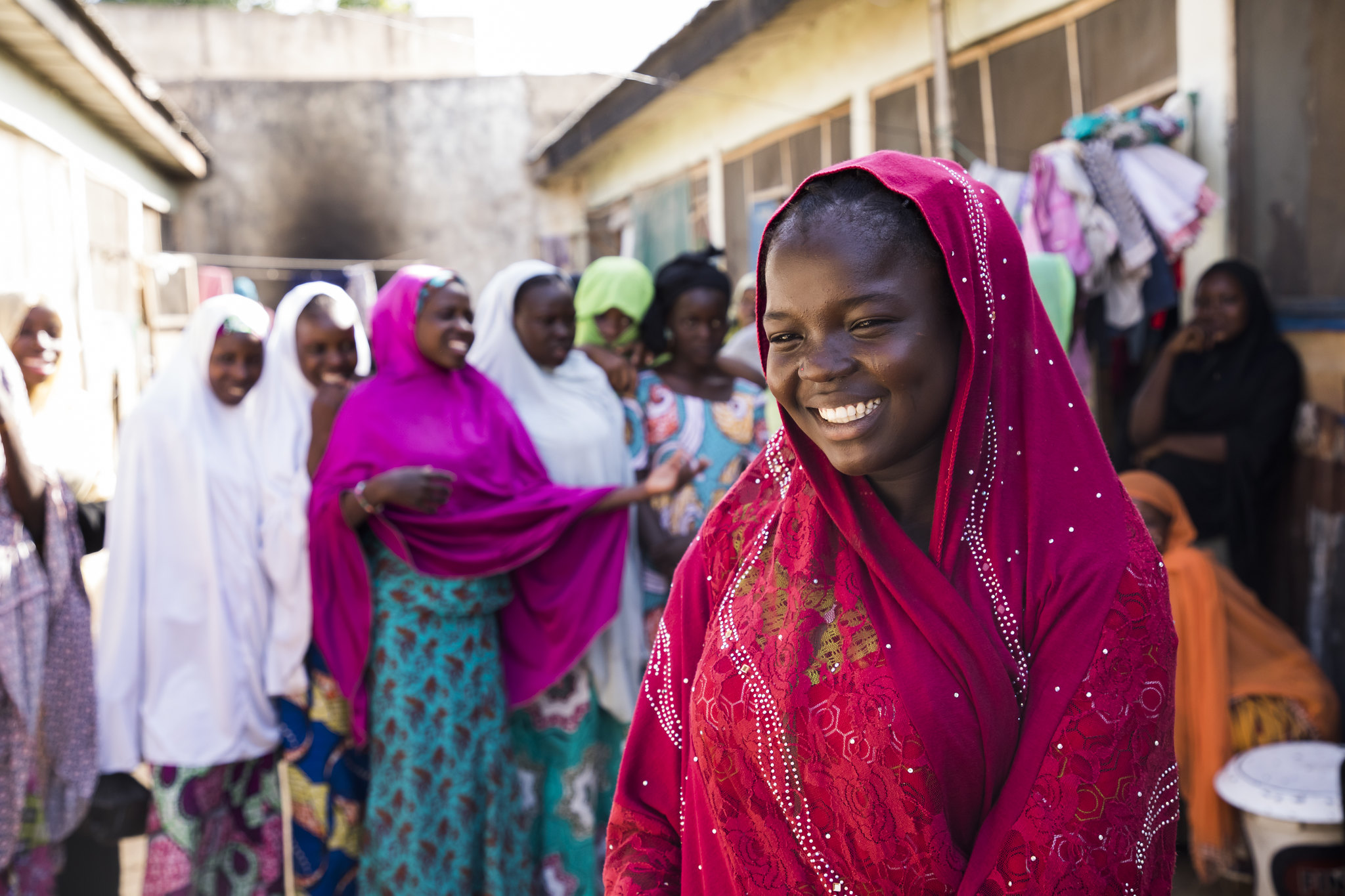
A synthesis of learnings from a cohort of family planning workforce members in Asia who came together to discuss what works and what doesn’t in engaging men and boys in FP/RH.
Social and Behavior Change for Family Planning Collection—Now Live!
Breakthrough ACTION + RESEARCH has launched a new resource collection and accompanying catalog. They showcase more than one hundred social and behavior change (SBC) for family planning (FP) resources for planners, designers, implementers, donors, and other users to inform innovative, evidence-based, and impactful interventions.
Jeunesse, Religion et Contraception en Afrique francophone
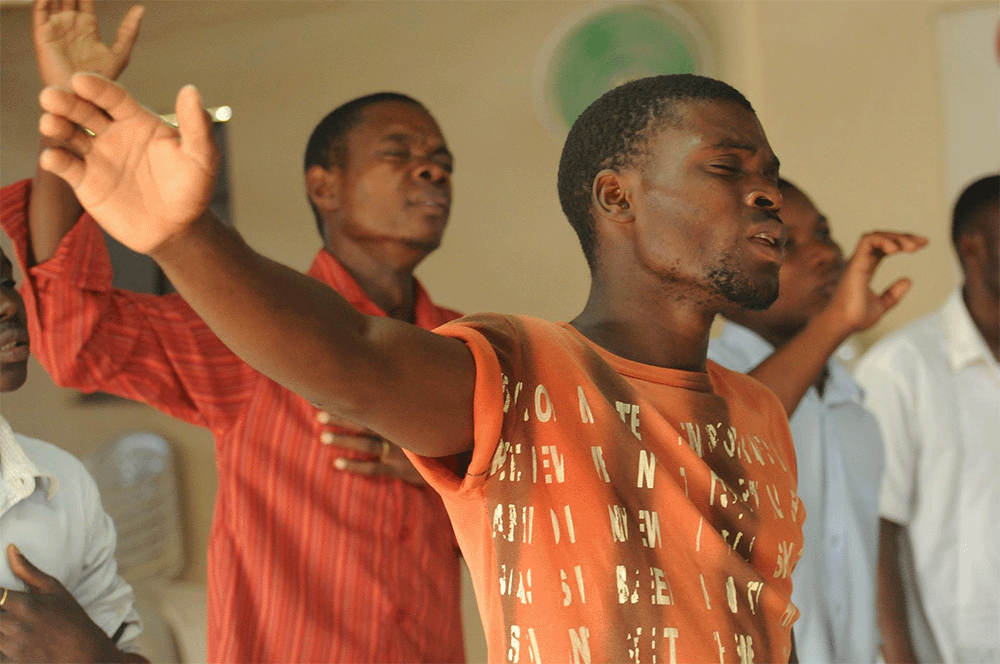
En Afrique francophone, les jeunes âgés de 15 à 24 ans ont difficilement accès aux informations et services de planification familiale (PF) de qualité. De plus, ils affichent un taux d’abandon de la contraception supérieur à celui de leurs aînées et sont particulièrement sensibles aux effets indésirables. En mars 2022, PRB a tenu une série de

Inside the FP Story’s Third Season Launches
The Inside the FP Story podcast explores the fundamentals of designing and implementing family planning programming. Season 3 is brought to you by Knowledge SUCCESS, Breakthrough ACTION, and the USAID Interagency Gender Working Group. It will explore how to approach gender integration in family planning programs—including reproductive empowerment, gender-based violence prevention and response, and male engagement.

Creating a Framework for Defining Quality for HCD in ASRH Programming
Human-Centered Design (HCD) is a relatively new approach towards transforming Sexual and Reproductive Health (SRH) outcomes for youth and adolescents. But what does "quality" look like when applying Human-Centered Design (HCD) to Adolescent Sexual and Reproductive Health (ASRH) programming?