



Vasectomy Advocacy: The time is now
Vasectomy is a safe and effective contraceptive method that offers benefits for individuals and heterosexual couples who know they do not want to have any—or any more—children. According to Breakthrough ACTION, a USAID-funded project that develops and tests new tools for social and behavior change in family planning and reproductive health, increasing access to vasectomy would

What Works in Family Planning and Reproductive Health, Part 1: Male Engagement
Today, Knowledge SUCCESS is pleased to announce the first in a series that documents “What Works in Family Planning and Reproductive Health.” The new series will present, in depth, essential elements of impactful programs The series uses innovative design to address some of the barriers that traditionally discourage people from creating or using documents that share

Male Contraceptive Innovations on the Horizon
Innovations in male contraceptives have the potential to change the world of family planning. Male Contraceptive Initiative executive director Heather Vahdat spoke with us about how new male contraceptive methods will shape global public health outcomes.

Implementing DMPA-SC Self-Injection During COVID-19 in Four Francophone Countries
Recap of a webinar on high-impact approaches to support the introduction and scale-up of the self-injectable contraceptive DMPA-SC in Francophone family planning programs in Burkina Faso, Guinea, Mali, and Togo.

Lessons from Ghana to Inform DMPA-SC Safe Storage and Disposal
Providing women with containers for DMPA-subcutaneous (DMPA-SC) storage and sharps can help to encourage safe self-injection practices at home. Improper disposal in pit latrines or open spaces remains an implementation challenge to safely scaling this popular and highly effective method. With training from health providers and a provided puncture-proof container, self-injection clients enrolled in a pilot
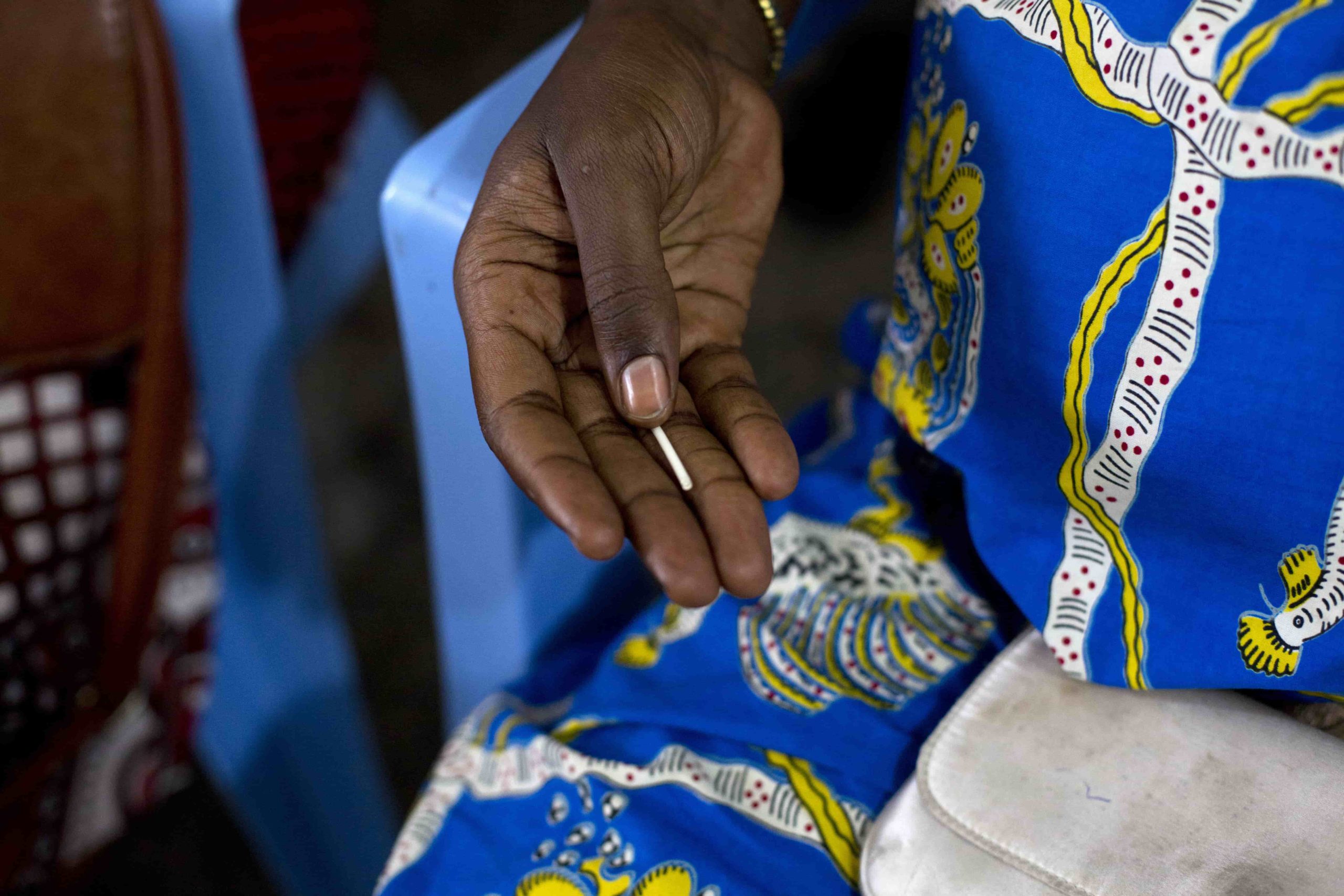
Time to Tweak Those Training Materials and Service Delivery Guidelines!
Program managers and healthcare providers who offer the one-rod contraceptive implant, Implanon NXT, should be aware of recent updates that affect the product’s administration. This change is in-process around the world, including countries where Implanon NXT is available at the reduced, market access, price.
Expériences de Mise En Œuvre de l’Auto-Injection du DMPA-SC Pendant COVID-19 dans quatre pays Francophones
Recapulatif du webinaire sur les approches à haut impact pour l’introduction et le passage à l’échelle de l'utilisation de la contraception auto-injectable.
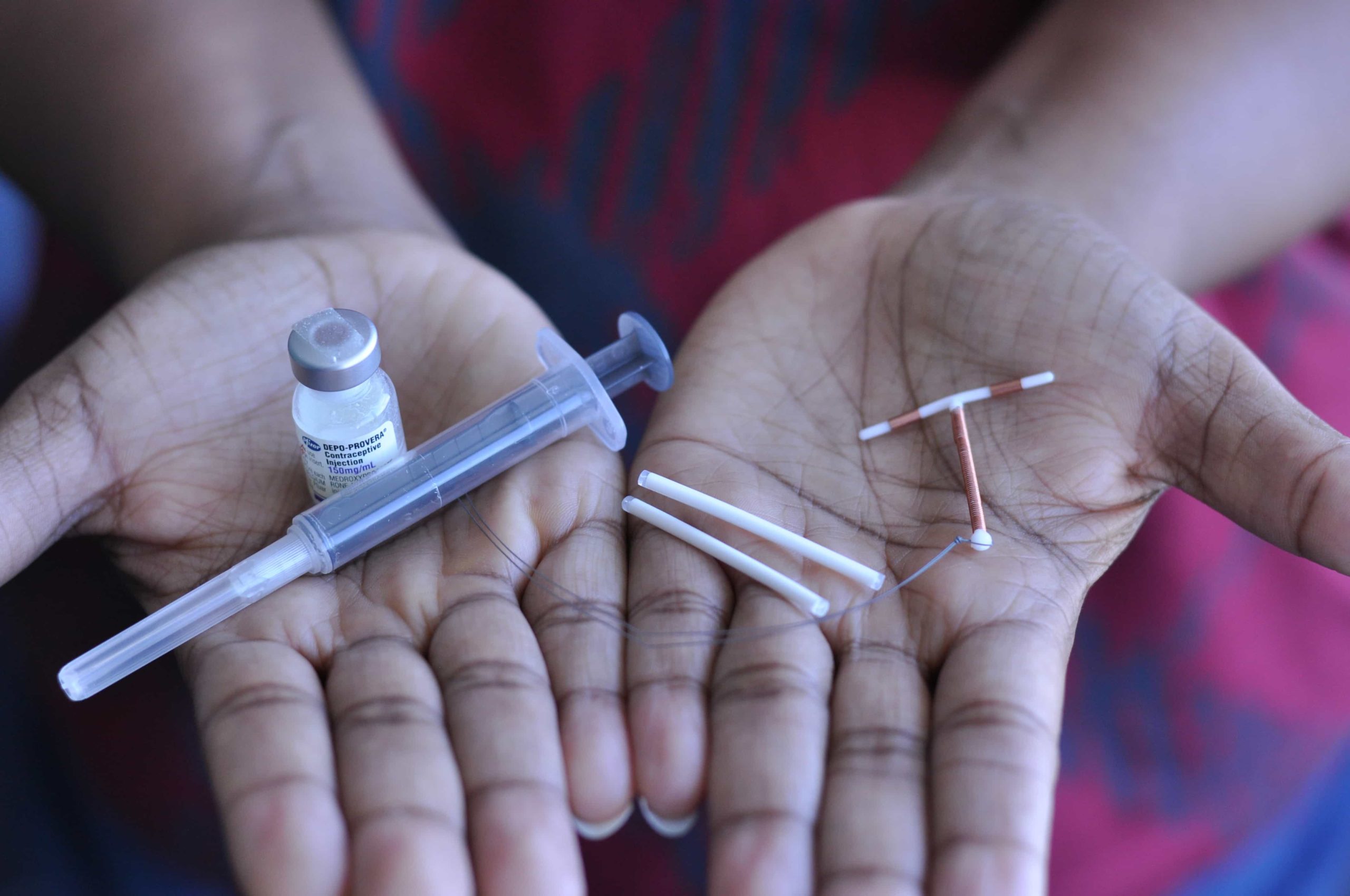
Unfinished Business for Access to Contraception and HIV Prevention
Findings from the ECHO trial led to an increased focus in HIV prevention in family planning programs. Here's what else needs to happen in the COVID-19 context.

Technical Consultation on Contraceptive-Induced Menstrual Changes
On November 17‒18, 2020, a virtual technical consultation on contraceptive-induced menstrual changes (CIMCs) convened experts in the fields of family planning and menstrual health. This meeting was coordinated by FHI 360 through the Research for Scalable Solutions (R4S) and Envision FP projects with support from the U.S. Agency for International Development (USAID).

Introducing a Must-Have Family Planning Resource Guide to end 2020
Consider this Family Planning Resource Guide your holiday gift guide for voluntary family planning tools and resources.