


9ème Réunion Annuelle du Partenariat de Ouagadougou (RAPO)
L'UCPO a saisi l'occasion pour annoncer que la finale du concours de plaidoyer des associations de jeunes du PO aura lieu le 31 mars 2021.

Spotlight on Couple-Focused Interventions in Family Planning Programs
Evidence to Action (E2A) has been reaching young first-time parents Burkina Faso, Tanzania, and Nigeria in recent years for strengthening family planning and reproductive health service delivery for girls, women, and underserved communities.
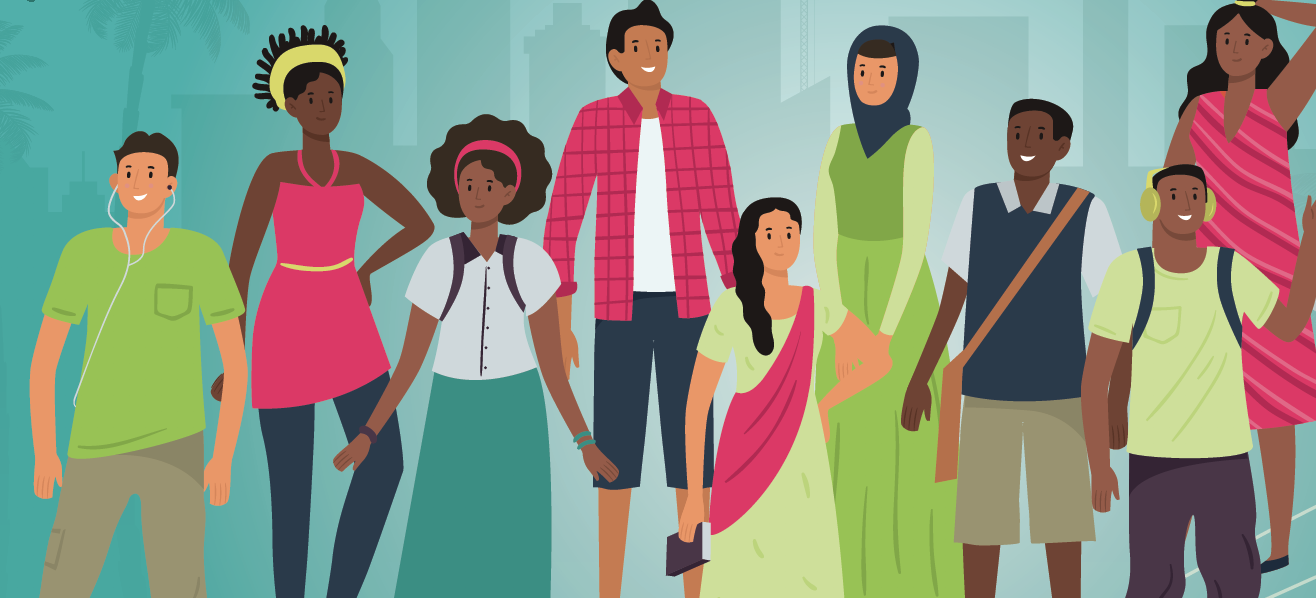
Addressing Obstacles to Contraceptive Continuation Among Young People
Addressing obstacles to contraceptive continuation: The PACE project’s policy brief, Best Practices for Sustaining Youth Contraceptive Use, explores the unique patterns and drivers of contraceptive discontinuation among youth based on a new analysis of Demographic and Health Survey and Service Provision Assessment data. Key findings and recommendations include policy and program strategies to address obstacles to

Leaving No One Behind in Family Planning
Although there are more than 60 million additional users of modern contraception in the FP2020 focus countries as compared to 2012, our agenda remains unfinished, with quality family planning information and services not yet reaching many of those with the greatest need. To reach women, girls, and their partners equitably, we need to know who faces

Responsive Systems Meet Adolescent Reproductive Health Needs
There is increasing consensus that adolescent-friendly health services—as currently implemented—are not consistently scalable nor sustainable. In an adolescent-responsive system, each building block of the health system—including public and private sectors and communities—respond to adolescent health needs.
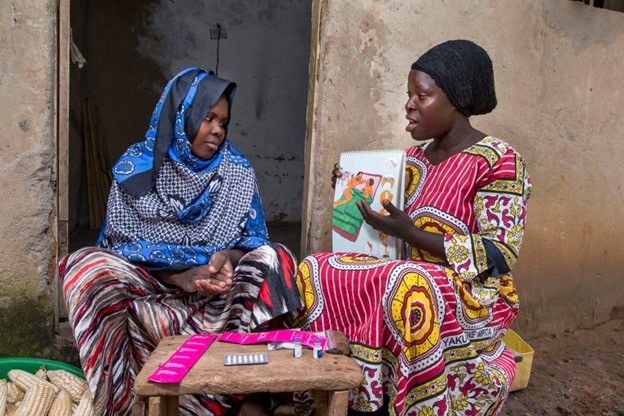
Universal Health Coverage: Not Without Family Planning
Universal health coverage (UHC) characterizes an ideal where all people have access to the health services they need, when and where they need them, without financial hardship. In the same way that the long-term consequences of the COVID-19 pandemic will place a heavy burden on health systems, so too will the lack of reproductive health care.

Récapitulatif de la Série Connecting Conversations : Partenaires
Le session "Conversations connectées : Partenaires" a examiné les principaux acteurs qui améliorent la santé reproductive des jeunes.
Recap of “Connecting Conversations” Series: Phones
On December 16th, Family Planning 2020 (FP2020) and Knowledge SUCCESS hosted the fourth and final session in the second module of the Connecting Conversations series: Parents, Preachers, Partners, and Phones: Engaging Critical Influencers in Improving Young People’s Reproductive Health. This particular session focused on the use of digital approaches in conversations around voluntary family planning, access
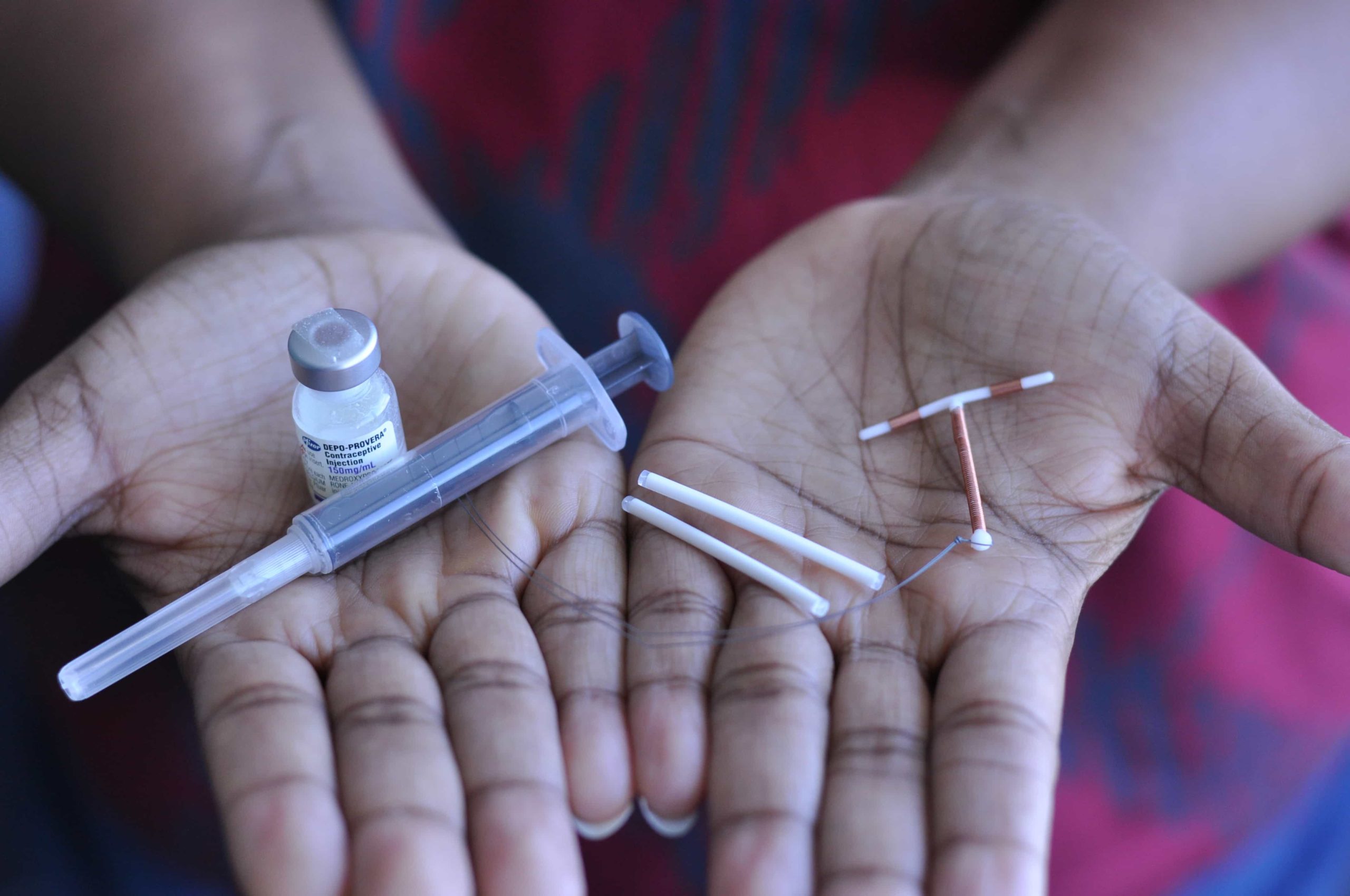
Unfinished Business for Access to Contraception and HIV Prevention
Findings from the ECHO trial led to an increased focus in HIV prevention in family planning programs. Here's what else needs to happen in the COVID-19 context.

Technical Consultation on Contraceptive-Induced Menstrual Changes
On November 17‒18, 2020, a virtual technical consultation on contraceptive-induced menstrual changes (CIMCs) convened experts in the fields of family planning and menstrual health. This meeting was coordinated by FHI 360 through the Research for Scalable Solutions (R4S) and Envision FP projects with support from the U.S. Agency for International Development (USAID).