


Expériences de Mise En Œuvre de l’Auto-Injection du DMPA-SC Pendant COVID-19 dans quatre pays Francophones
Recapulatif du webinaire sur les approches à haut impact pour l’introduction et le passage à l’échelle de l'utilisation de la contraception auto-injectable.

The Epidemic Within an Epidemic
In October 2020, staff at the Johns Hopkins Center for Communication Programs (CCP) noticed a change in the search patterns bringing people to the Knowledge SUCCESS website. “What is the advocacy message of family planning” had moved up the charts, with a nearly 900% increase over the previous month. 99% of those queries originated in the

Responsive Systems Meet Adolescent Reproductive Health Needs
There is increasing consensus that adolescent-friendly health services—as currently implemented—are not consistently scalable nor sustainable. In an adolescent-responsive system, each building block of the health system—including public and private sectors and communities—respond to adolescent health needs.
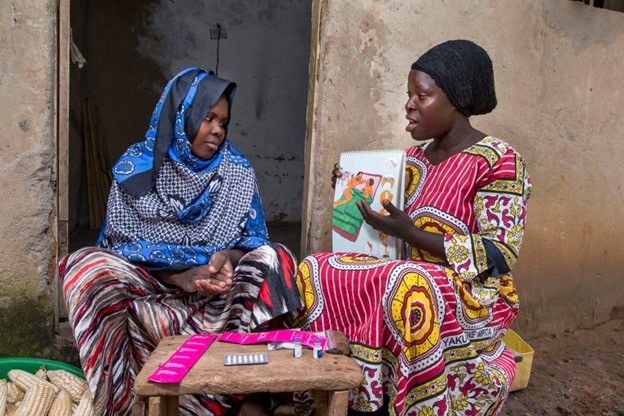
Universal Health Coverage: Not Without Family Planning
Universal health coverage (UHC) characterizes an ideal where all people have access to the health services they need, when and where they need them, without financial hardship. In the same way that the long-term consequences of the COVID-19 pandemic will place a heavy burden on health systems, so too will the lack of reproductive health care.

Récapitulatif de la Série Connecting Conversations : Partenaires
Le session "Conversations connectées : Partenaires" a examiné les principaux acteurs qui améliorent la santé reproductive des jeunes.
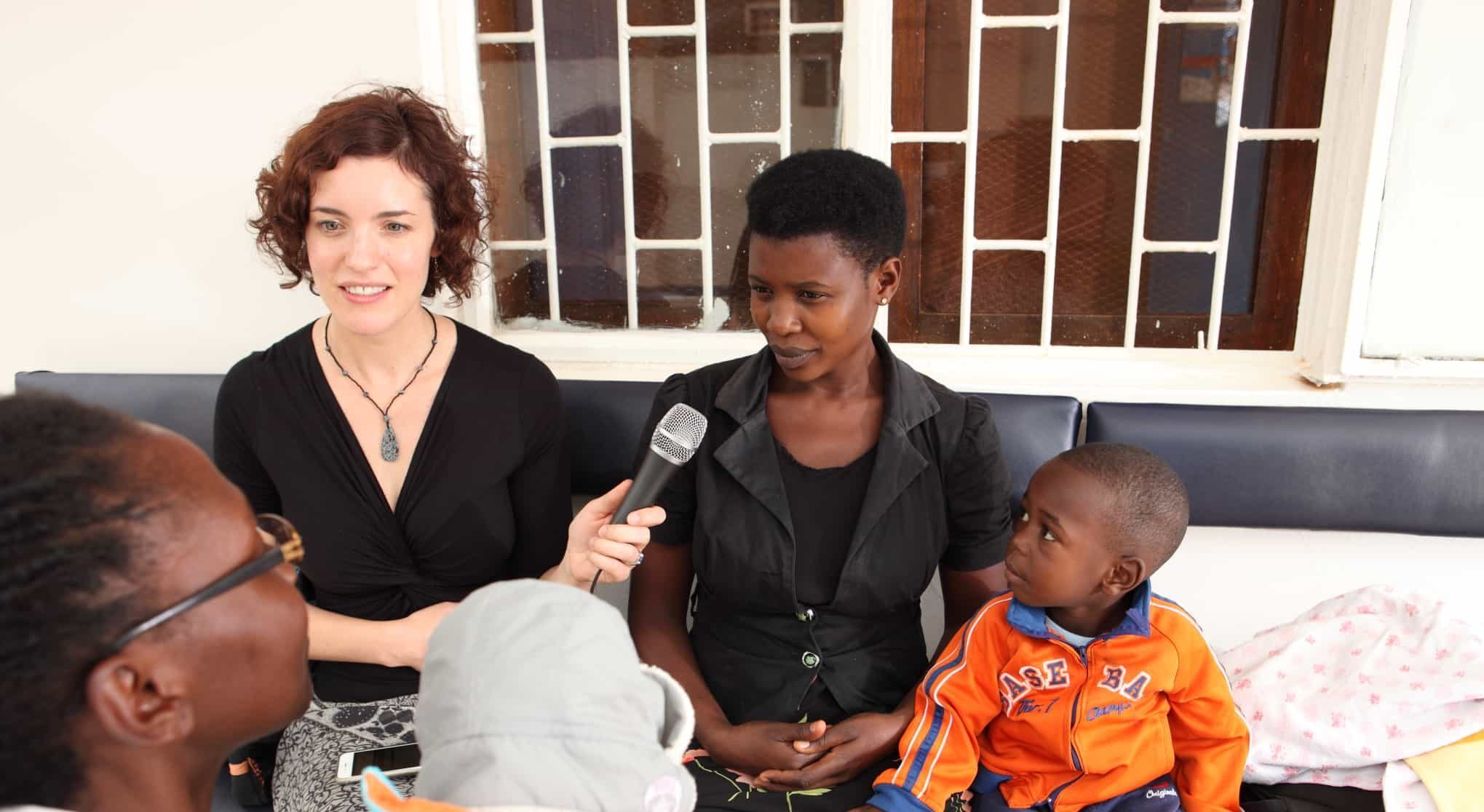
Reflecting on the Impact of Family Planning Voices
Family Planning Voices became a global storytelling movement within the family planning community when it launched in 2015. One of its founding team members reflects on the initiative's impact and shares tips for those interested in starting a similar project.
Recap of “Connecting Conversations” Series: Phones
On December 16th, Family Planning 2020 (FP2020) and Knowledge SUCCESS hosted the fourth and final session in the second module of the Connecting Conversations series: Parents, Preachers, Partners, and Phones: Engaging Critical Influencers in Improving Young People’s Reproductive Health. This particular session focused on the use of digital approaches in conversations around voluntary family planning, access
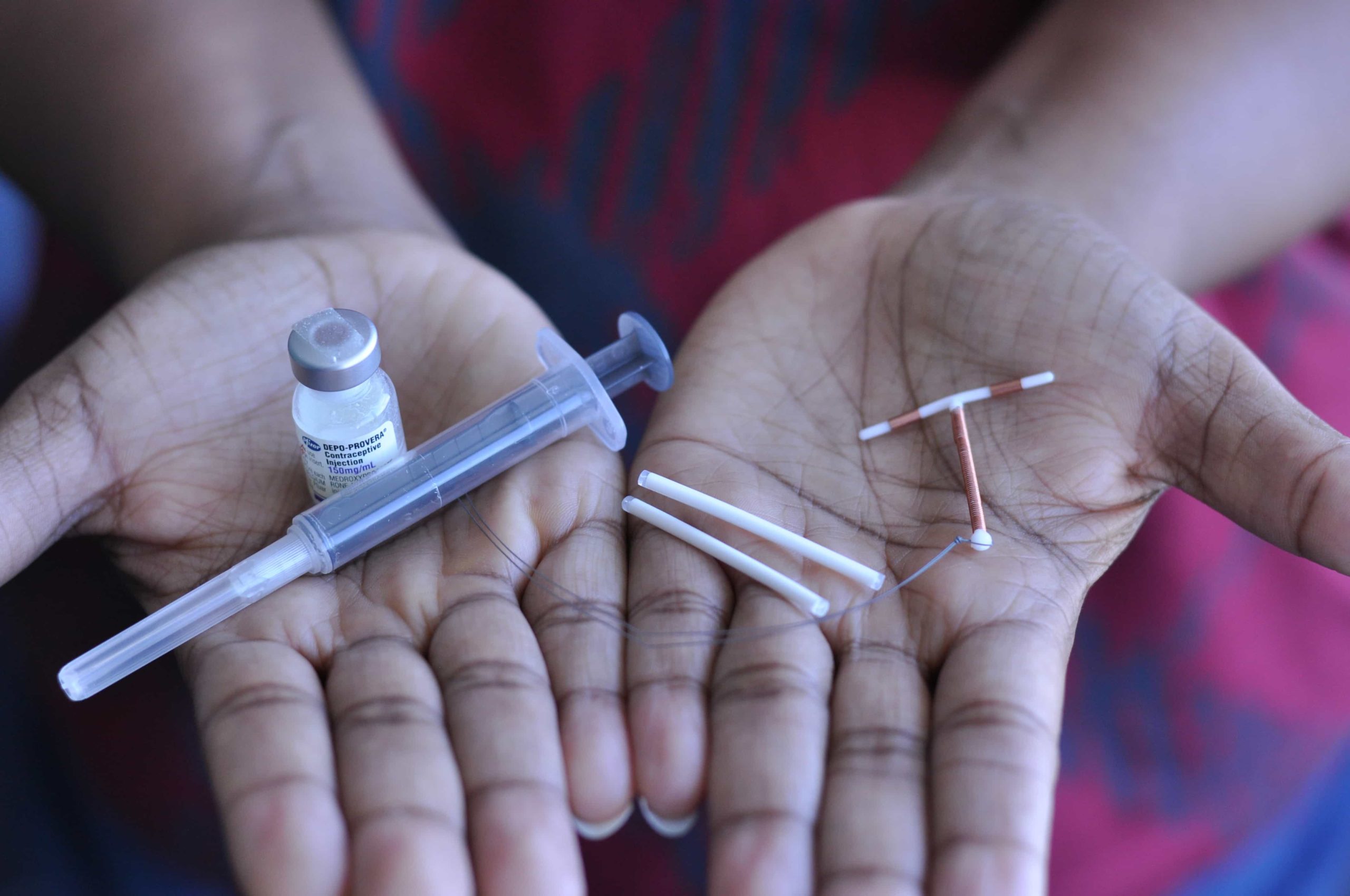
Unfinished Business for Access to Contraception and HIV Prevention
Findings from the ECHO trial led to an increased focus in HIV prevention in family planning programs. Here's what else needs to happen in the COVID-19 context.

Technical Consultation on Contraceptive-Induced Menstrual Changes
On November 17‒18, 2020, a virtual technical consultation on contraceptive-induced menstrual changes (CIMCs) convened experts in the fields of family planning and menstrual health. This meeting was coordinated by FHI 360 through the Research for Scalable Solutions (R4S) and Envision FP projects with support from the U.S. Agency for International Development (USAID).

Digital Health Pilot Project in Uganda Extends the Reach of Family Planning Care in the Community
Community health workers (CHWs) used digital health technology to advance access to family planning care at the community level. CHWs are a critical component of any strategy to bring health services closer to people. The piece calls on policy makers and technical advisors to sustain investments in the digitization of community health programs to reduce unmet